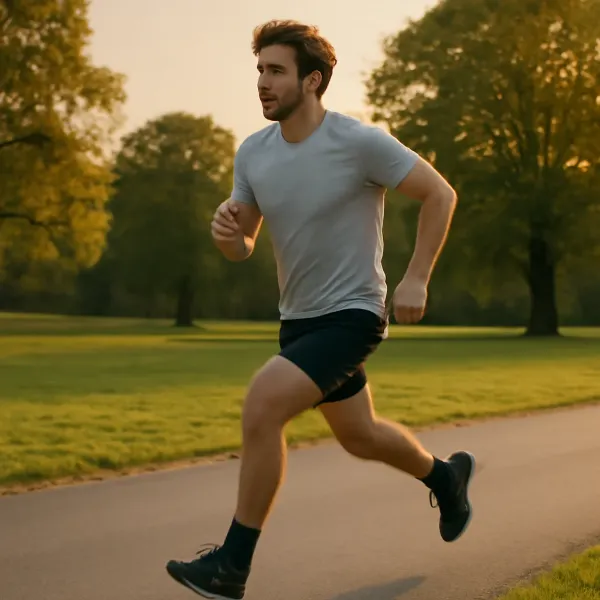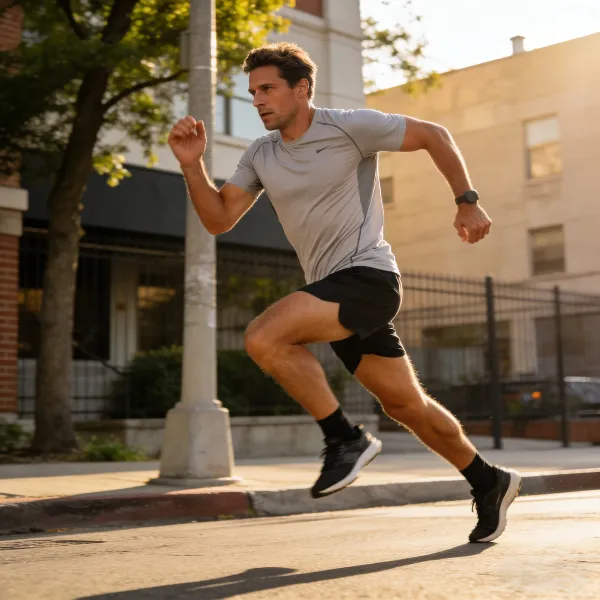
Running isn’t just about putting one foot in front of the other—there’s a crucial factor that can make all the difference: your running cadence. By understanding running cadence, optimizing it, and making simple adjustments, you can improve your efficiency, reduce injuries, and even run faster.
In this article, we’ll explain what running cadence is, why it’s important, how to measure it, and most importantly, how to improve it. Whether you’re a beginner or an experienced runner, mastering your cadence will help you run better, faster, and more comfortably.
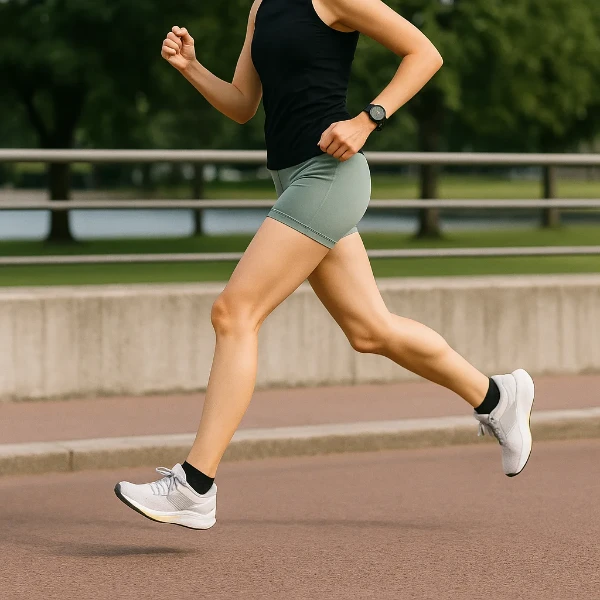
Running cadence refers to how many steps you take per minute while running. This simple but important metric affects your form, speed, and even injury risk. Cadence works alongside your stride length—the distance covered with each step. Together, these factors determine how fast you run.
While cadence is key for efficiency, it’s important to note that it can vary depending on experience and running goals. For most runners, a cadence of around 170-180 steps per minute is ideal, though beginners may start with a lower count. Understanding and improving your cadence can help you maintain proper form and reduce stress on your body.
A good cadence for running generally falls between 170 and 180 steps per minute (spm). This range strikes a balance between speed and efficiency, allowing you to run with good form and avoid overstriding. Overstriding happens when your foot lands too far ahead of your body, creating a braking effect that can increase injury risk.
For new runners, a cadence closer to 160 spm is common, but aiming for 170–180 spm as you progress is ideal. Keep in mind that the “perfect” cadence is different for everyone, influenced by factors like leg length, fitness level, and running style.
As your running becomes more experienced, you may naturally increase your cadence. The key is to focus on small, incremental improvements rather than drastically changing your form all at once.
Running cadence matters because it directly impacts how efficiently you run, your injury risk, and your overall performance. By keeping your cadence in a healthy range, you reduce the chances of overstriding and landing with your foot too far in front of your body. This minimizes the stress on your joints and muscles.
A higher cadence helps you conserve energy, making it easier to run longer and faster without feeling exhausted. It also encourages a more relaxed, upright posture, which is essential for efficient running. So, improving your cadence is one of the most effective ways to boost your running form and prevent injuries.
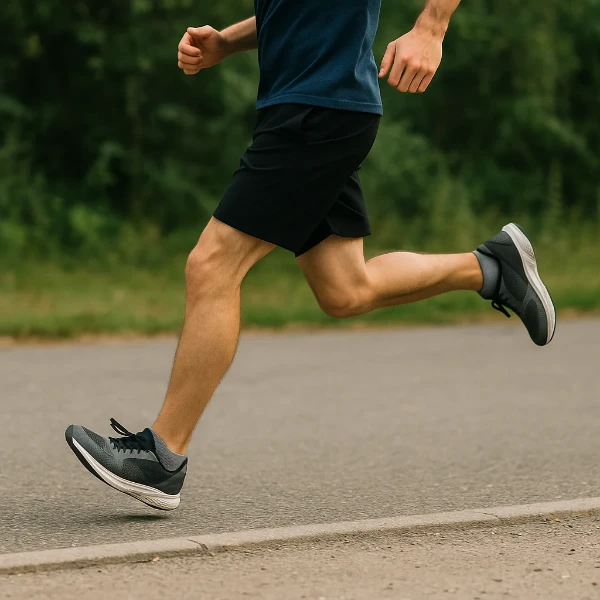
Before you can improve your running cadence, you need to know where you stand. Here are a few methods to measure your cadence, ranging from simple manual counting to using advanced tools like GPS watches.
One of the easiest ways to measure your cadence is by manually counting your steps. Here’s how to do it:
This method gives you an accurate estimate of your running cadence. It’s simple, quick, and requires no special equipment.
Many modern GPS watches, fitness trackers, and running apps automatically measure your cadence. This can be especially useful for runners who want to monitor their cadence in real-time, without the hassle of counting steps manually.
Some treadmills also show your cadence, which can be helpful for indoor training. These devices often track your cadence in real-time and provide data you can use to assess and improve your running form.
Tracking your cadence regularly helps you stay on top of your progress. At first, check your cadence every couple of weeks to see where you stand. As you work to improve it, you may want to monitor it more frequently—perhaps after every few runs or once a month.
The more consistently you track your cadence, the better you can fine-tune it and make improvements over time.
Improving your cadence takes time, but with the right approach, you can increase it safely without risking injury. Here’s how to make those changes gradually and effectively.
When it comes to improving your cadence, slow and steady wins the race. Aim to increase your cadence by no more than 5% at a time. Trying to jump too high too quickly can lead to muscle strain and poor form.
For example, if your cadence is 160 steps per minute, try to increase it to 165 spm for a few weeks. Once you’re comfortable with that, you can increase it further. Gradual changes allow your body to adjust without overstressing your muscles and joints.
To improve your cadence, focus on taking shorter, quicker steps. Avoid long strides that extend your foot too far ahead of your body. Instead, think “shorter steps” and “feet under hips.”
Another helpful cue is “quick feet, light landing.” This encourages a quicker turnover with minimal impact, which is essential for efficient running. Over time, these cues will become second nature, helping you maintain proper running form.
A great way to increase your cadence is by using a metronome or BPM (beats per minute) playlists. These tools allow you to set a specific rhythm for your footfalls, helping you match your steps to the beat.
Metronomes are available as apps or devices that help you train at a consistent cadence. Many music streaming platforms also offer running playlists designed to match a specific cadence, so you can run to the beat.
Adding cadence-specific workouts to your routine can speed up your progress. For example, strides (short bursts of faster running) help you practice quick turnover while keeping your form intact. Interval training running program also help, especially if you focus on increasing your cadence during the fast portions of the workout.
Other drills, like high knees and quick feet drills, can further improve your cadence. Regularly incorporating these into your routine will help make a higher cadence feel more natural over time.
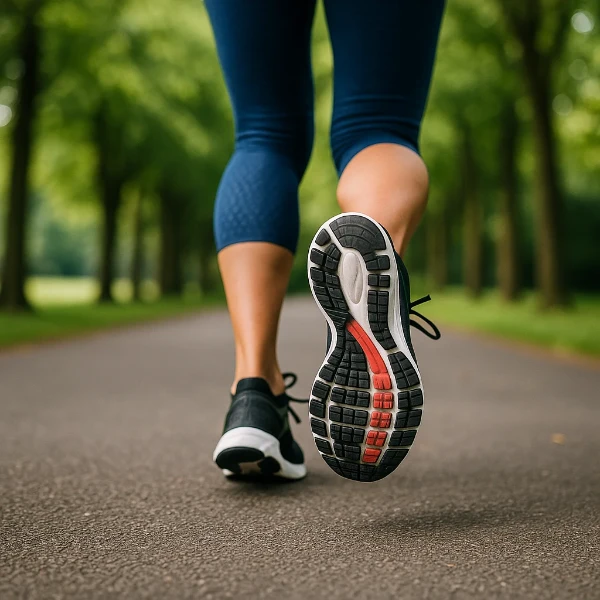
Your cadence isn’t fixed—it naturally adjusts based on your running speed and the type of terrain you’re running on. Let’s take a look at how it changes during different conditions.
As you run faster, your cadence tends to increase. This is because faster speeds require quicker steps to maintain momentum. The faster you go, the more you’ll rely on short, quick steps rather than long, powerful strides.
When sprinting, for example, your cadence will be much higher than when you’re running at a steady pace. So, expect your cadence to increase naturally as your speed picks up.
When running on trails or uphill, your cadence may drop a little. Uphill running tends to require shorter, quicker steps to help conserve energy and maintain balance. On trails, you’ll adjust your cadence based on the terrain, taking smaller steps to avoid tripping on rocks or uneven ground.
Treadmill running, on the other hand, can help you maintain a consistent cadence. The steady pace of the treadmill removes many variables, allowing you to focus on your step rate. However, adjusting your cadence on an incline can still be beneficial.
As fatigue sets in, your cadence may naturally drop. During long runs, it’s common to find your cadence slipping as your body tires. This is why it’s essential to consciously focus on your cadence, especially in the later stages of a race or long training run.
Focusing on taking quicker, shorter steps can help you maintain better form and avoid the slowdown that comes with fatigue. This will make it easier to finish strong, even during long or challenging runs.
Improving your running cadence can help you run more efficiently, reduce your injury risk, and become a faster, more confident runner. The key is to focus on gradual improvements, monitor your progress, and integrate cadence-specific workouts into your routine. With time and consistency, you’ll notice the benefits of a higher cadence in your running form and performance.
Yes, your cadence naturally increases as your speed increases. Faster paces require quicker steps to maintain your momentum, so your cadence will rise as you push the pace.
Improving your cadence can take anywhere from a few weeks to a few months, depending on your current level and how consistently you work on it. Just be patient, and focus on making gradual, sustainable changes.
Not necessarily. While a cadence of 170–180 spm works well for many runners, it’s important to find the cadence that works best for your body and running style. Higher cadence isn’t always the goal; efficiency and comfort are key.
Popular Post