Teaching your kids to swim is one of the best things you can do for their safety and confidence in the water. Whether you're learning how to teach a toddler to swim or how to teach kids to swim independently, this guide will walk you through every step. We’ll cover how to introduce water to young kids, teach basic swimming skills, and troubleshoot any fears along the way. Plus, we’ll share the best tips and essential gear to make lessons as fun as they are educational.
Learning how to swim is one of the most important skills kids can develop. Not only does it teach water safety, but it builds physical fitness and confidence. Kids who know how to swim are more likely to feel comfortable in the water, which significantly reduces the risk of drowning and increases independence in aquatic settings.
Swimming also helps kids develop coordination, strength, and endurance, all while having fun! Plus, it’s an activity they can enjoy throughout their lives, whether they’re in the pool, at the beach, or playing water sports with friends and family. Teaching your child to swim is a gift they’ll carry with them forever.
If you're wondering how to teach a kid to swim, it starts with safety, builds through water confidence, and gradually progresses to independent swimming skills. Whether you're teaching a toddler or helping an older child refine their strokes, following a structured approach makes the process safer and more effective.
When teaching kids to swim, safety always comes first. Make sure to establish clear, easy-to-follow rules that keep everyone safe:
The first step in teaching your child how to swim is to help them feel comfortable in the water. It’s all about creating a positive and fun experience that gets them used to the water. Here’s how:
Once your child is comfortable in the water, you can begin introducing foundational swim movements.
Practice floating on the back first, as it is a critical water survival skill.
Support your child gently until they gain balance and confidence.
Hold your child securely while encouraging steady leg kicks.
Keep movements simple and playful.
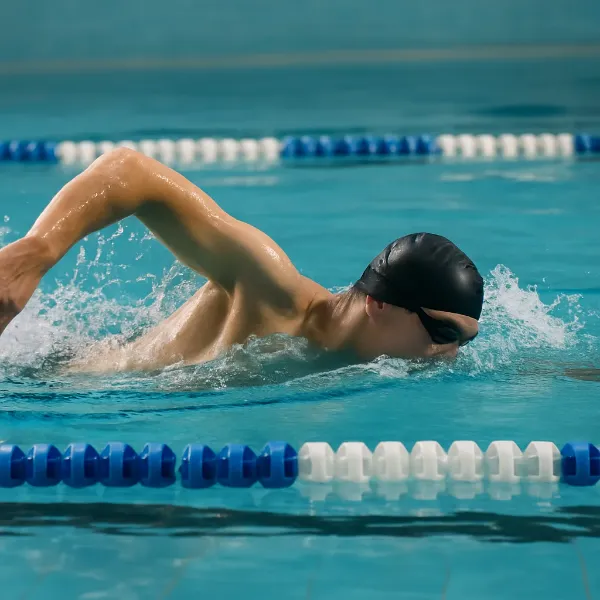
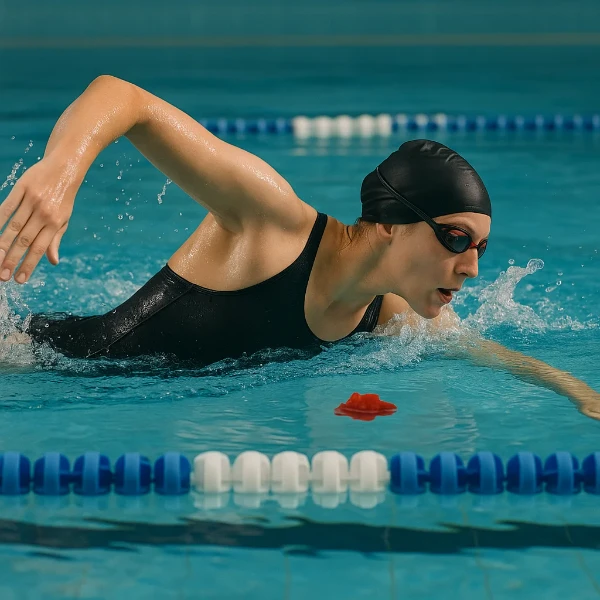
Introduce basic arm motions used in freestyle.
Use toys or visual targets to make practice engaging.
Teach children to turn their head to the side to breathe.
Keep practice short and stress-free.
As confidence grows, introduce simple treading motions in shallow water.
Emphasize staying calm and relaxed.
Mastering these fundamentals lays the groundwork for independent swimming.
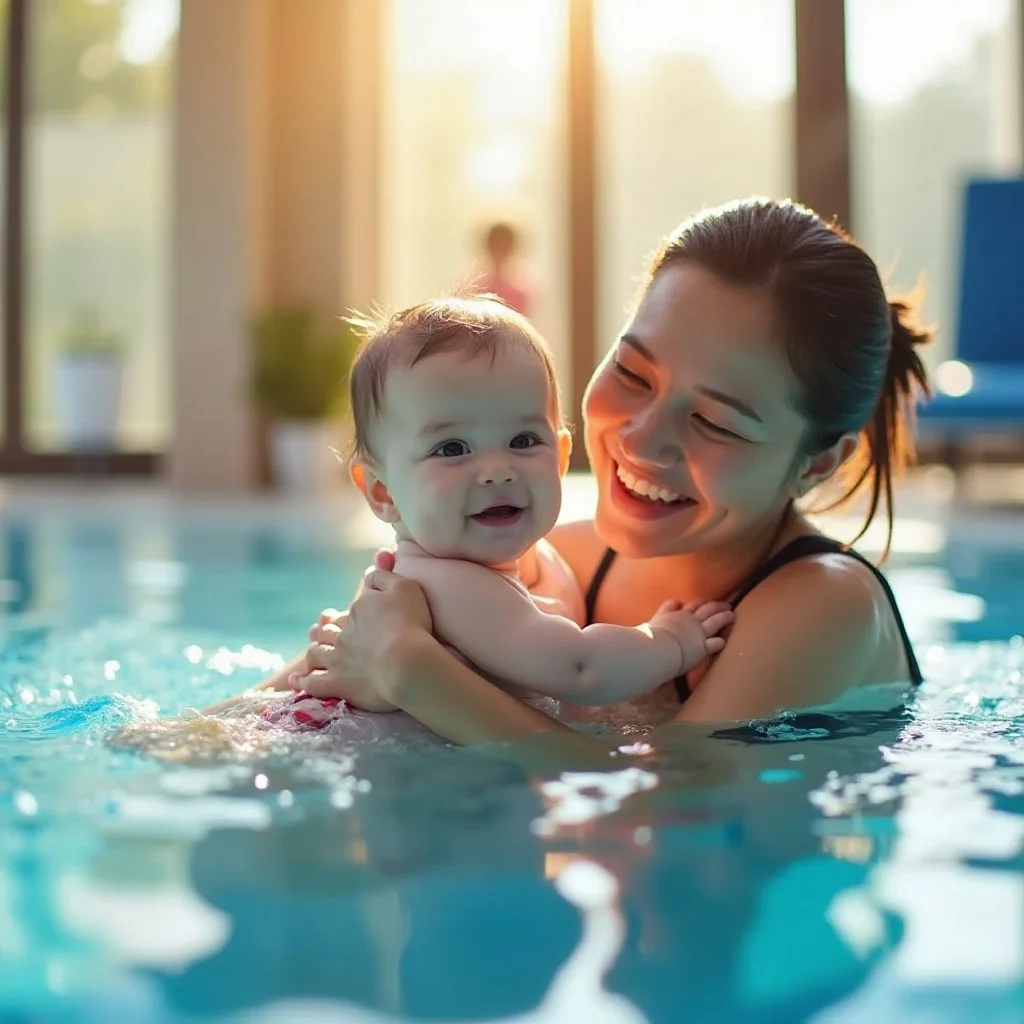
Every child develops at a different pace. The following age guidelines reflect general readiness patterns, but individual progress will vary.
For babies and young toddlers, focus on comfort—not formal swimming.
At this stage, the primary goal is building trust in the water.
If you're researching how to teach a toddler to swim, this stage focuses on building coordination through simple, playful movements.
Keep lessons short (10–20 minutes) and highly playful.
Many children at this stage are ready for more structured skill development.
Focus on consistency and gradual independence.
Many children begin swimming more independently around age six, though readiness varies by individual.
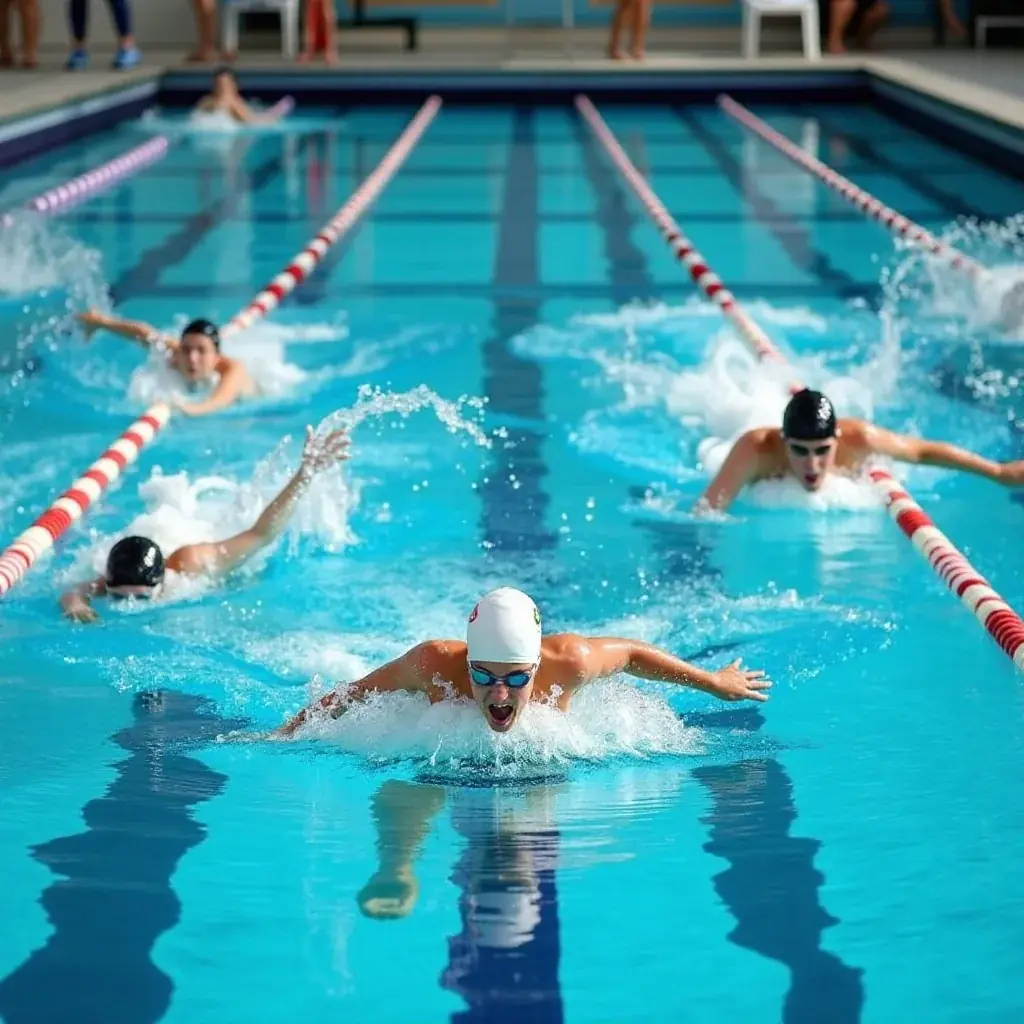
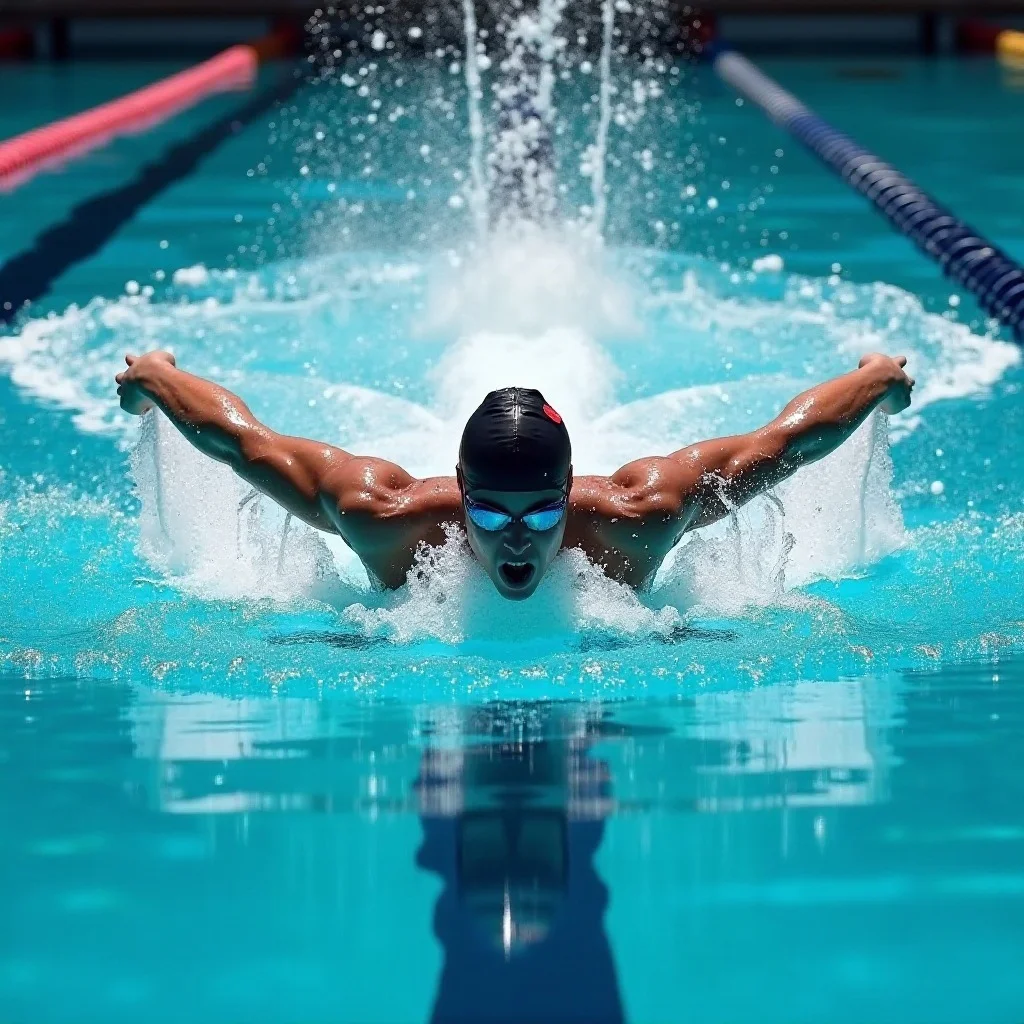
Avoid introducing advanced strokes like butterfly unless your child shows strong coordination and genuine interest.
As your child grows more confident, you may start thinking more seriously about how to teach a child to swim independently and safely.
Independence develops through repetition and positive reinforcement—not pressure.
It’s not uncommon for kids to feel scared or nervous about swimming. If your child is afraid of water, here are a few tips to help them overcome their fear:
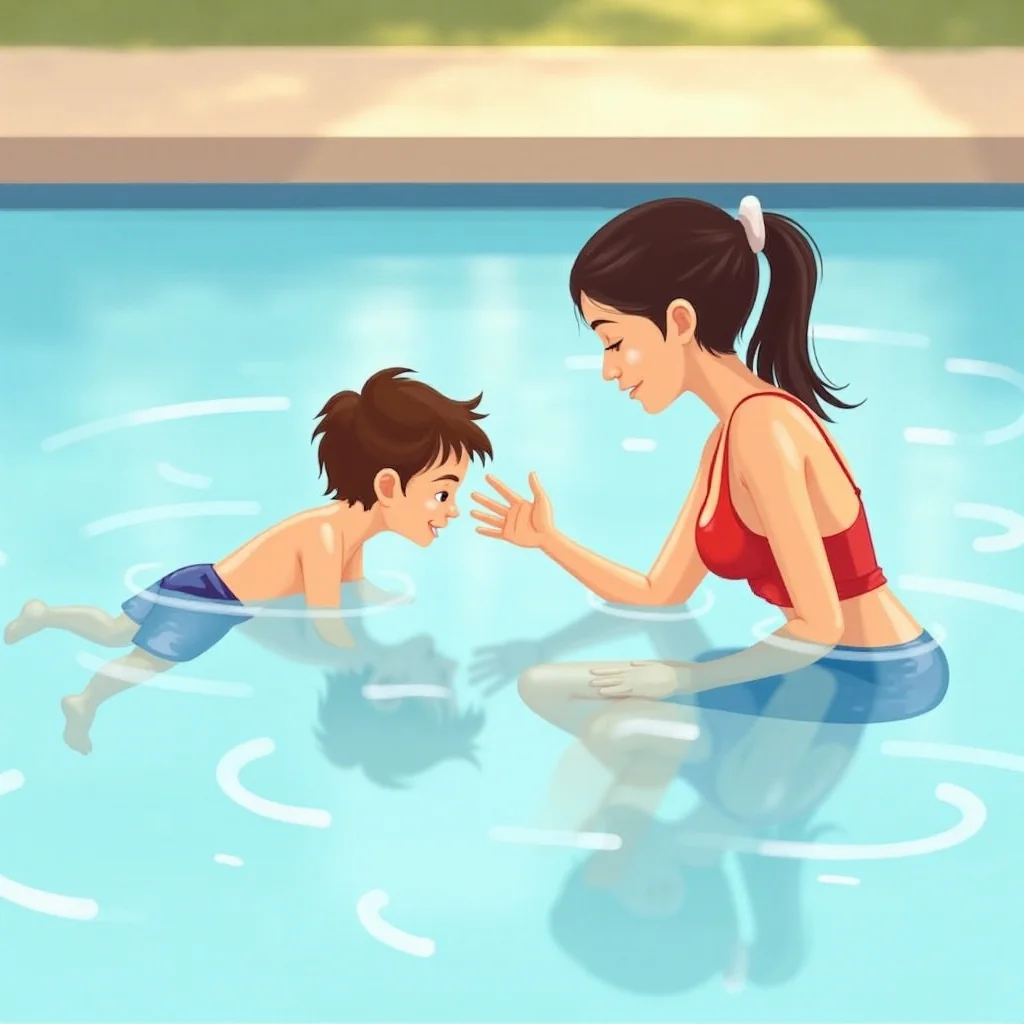
Teaching your child to swim is a rewarding journey that requires patience and consistency. Here are some practical tips for making the process smooth and enjoyable:
Young children have limited attention spans and tire quickly in the water.
Short, successful sessions build confidence faster than long, exhausting ones.
Children learn best through play. Structured games can reinforce key skills naturally.
When learning feels like play, fear decreases and retention improves.
Regular exposure matters more than pushing too hard.
Consistency builds muscle memory and water confidence.
Emotional safety is just as important as physical safety.
A supportive tone helps children associate swimming with security and success.
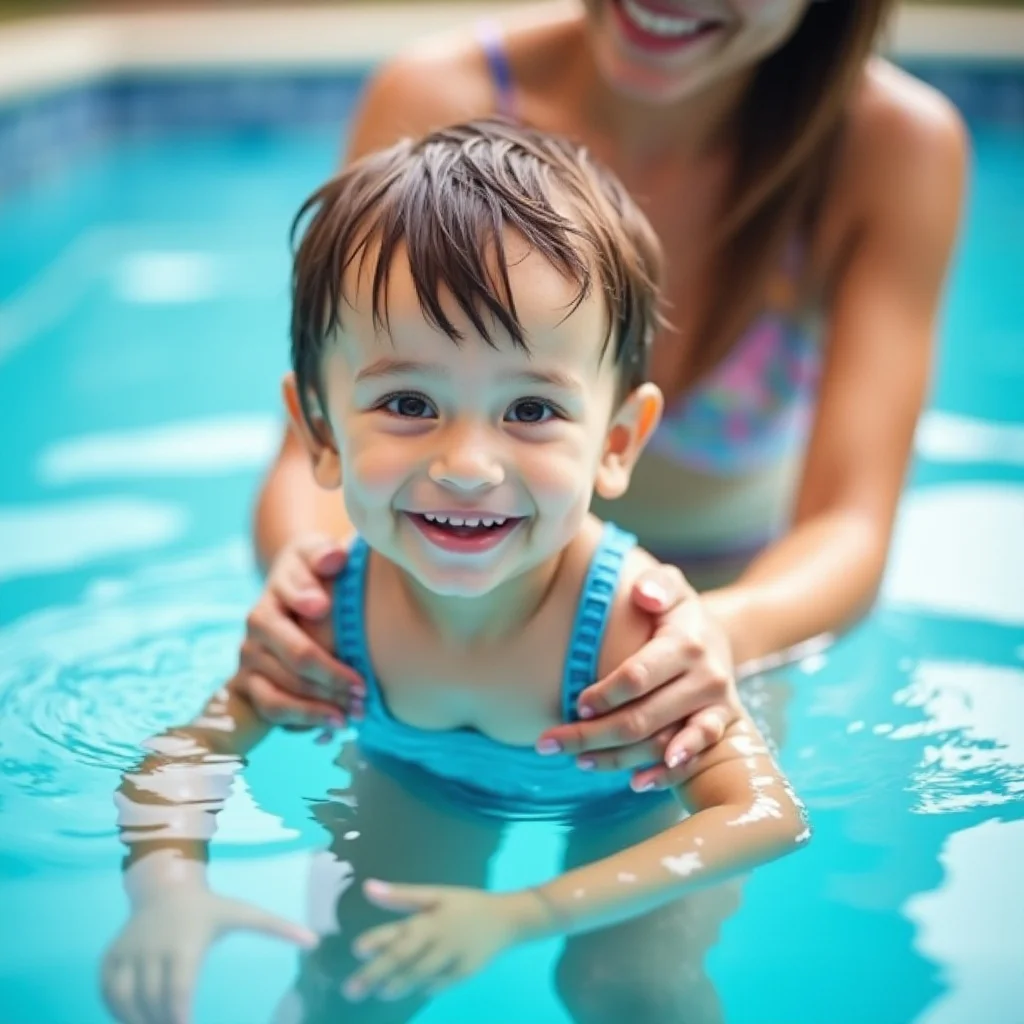
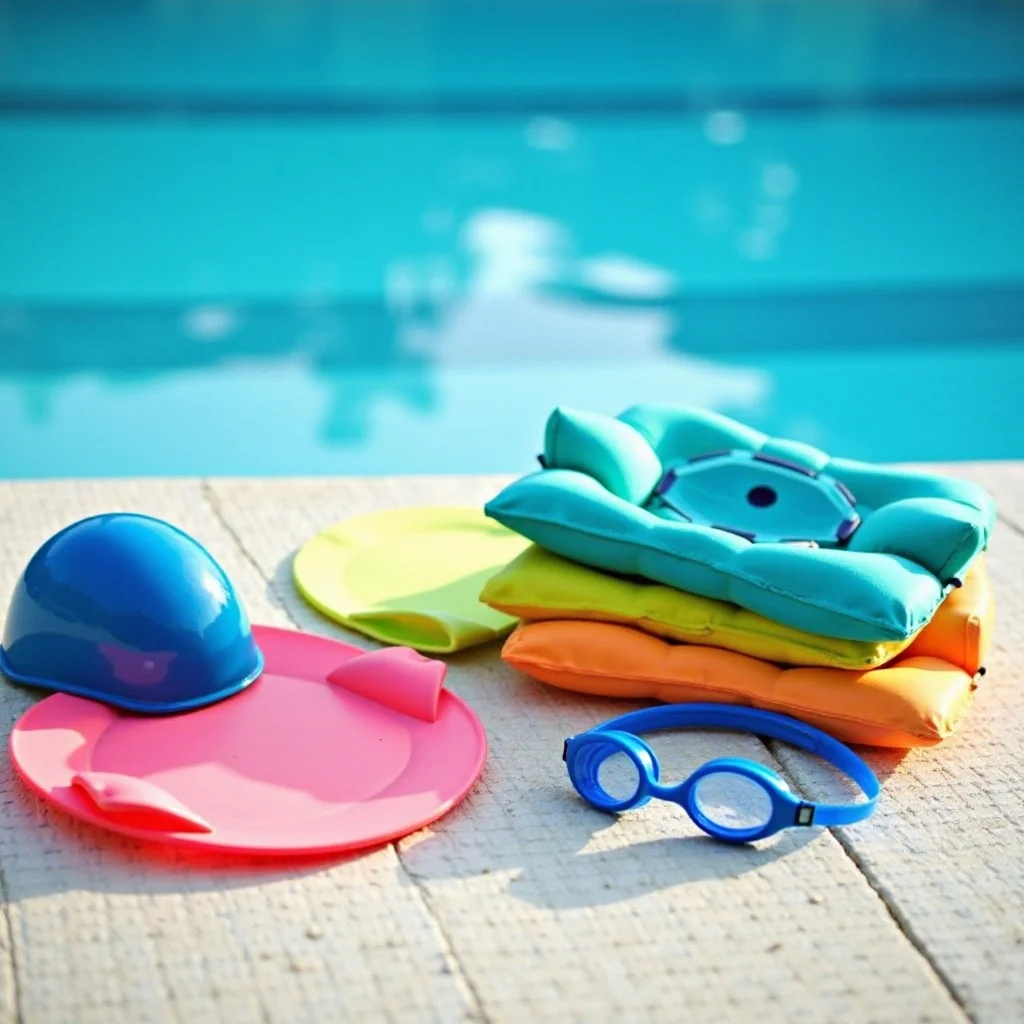
The right gear makes swimming lessons more enjoyable and effective. Here are some must-have items:
Learning how to teach kids to swim is a rewarding experience that builds not only important life skills but also confidence. Whether you’re teaching a toddler to swim or guiding an older child to swim independently, the key is patience, practice, and positive reinforcement. With the right approach, your child will enjoy the water safely and confidently for years to come.
In competitive swimming, some coaches emphasize focusing more on technique than conditioning, often described as an 80/20 balance. For young children, however, building comfort and safety skills is the priority. This balance helps swimmers become more efficient and use less energy in the water.
Many experts recommend introducing swim lessons between ages 1–4, depending on the child’s readiness and comfort level. However, it's never too late to start.
In competitive swimming, some coaches emphasize focusing more on technique than conditioning, often described as an 80/20 balance. For young children, however, building comfort and safety skills is the priority. This balance helps swimmers become more efficient and use less energy in the water.
Many experts recommend introducing swim lessons between ages 1–4, depending on the child’s readiness and comfort level. However, it's never too late to start.
Popular Post