Learning how to swim can be an incredibly rewarding experience, whether you’re doing it for fitness, fun, or safety. It’s an essential life skill that offers both physical and mental benefits. If you’re new to swimming or just getting back into it, this guide will walk you through the essential steps to help you become a confident swimmer.
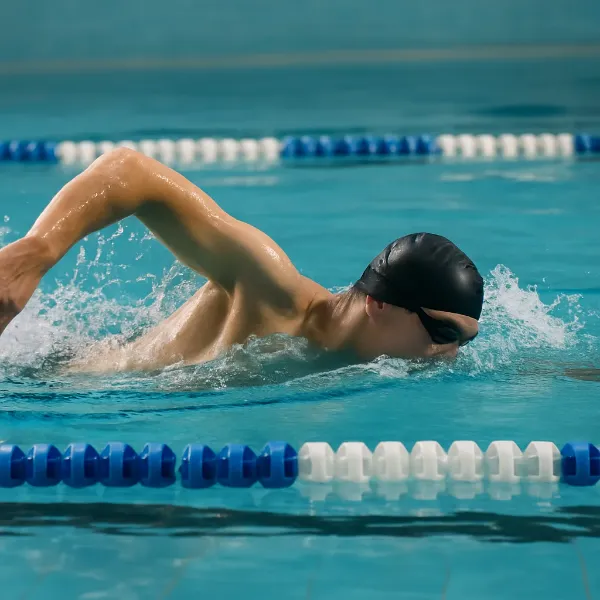
Before jumping in the pool, there are a few essentials you’ll need to make your swimming experience comfortable and enjoyable. Taking some time to gather the right gear will help you feel more at ease and ready to swim.
Now that you have everything you need, it’s time to jump in! This step-by-step guide will take you through the basics of learning how to swim, from getting comfortable in the water to mastering the crawl.
The first step in learning how to swim is getting comfortable with the water. Spend some time in the shallow end of the pool, standing or sitting. Slowly submerge your face to get used to the sensation. As you get more comfortable, you’ll feel more at ease in the water.
Floating is one of the most important skills for beginners. It helps you stay calm and relaxed while in the water. To practice, lie on your back with your arms extended and your body flat. Gently kick your legs to help stay afloat. The more you practice, the more natural it will feel.
Breathing is key to swimming, and getting the hang of exhaling underwater is an essential part of the process. Start by taking a deep breath, submerging your face, and exhaling slowly through your nose or mouth. This will help you build confidence and prepare for more advanced strokes.
While not a necessity, wearing goggles can help you see better underwater, which is especially useful when learning how to swim. Goggles also protect your eyes from the chlorine in pools, making swimming more enjoyable and comfortable. If you’re just starting, consider giving them a try!
A strong kick is crucial in swimming. Start by holding onto the poolside or a floatation device and practice kicking your legs. Focus on small, quick kicks rather than large, sweeping movements. The flutter kick is a simple and effective technique that helps propel you forward.
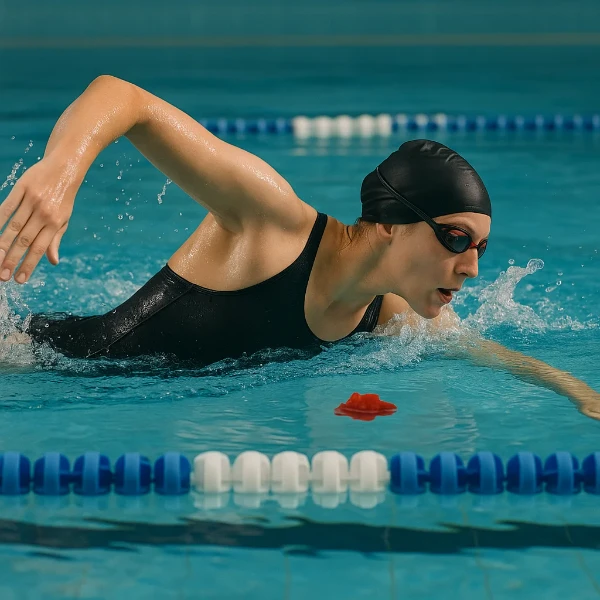
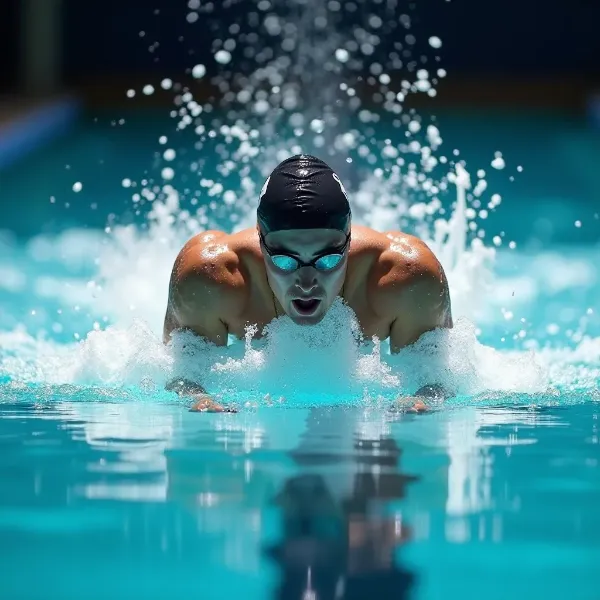
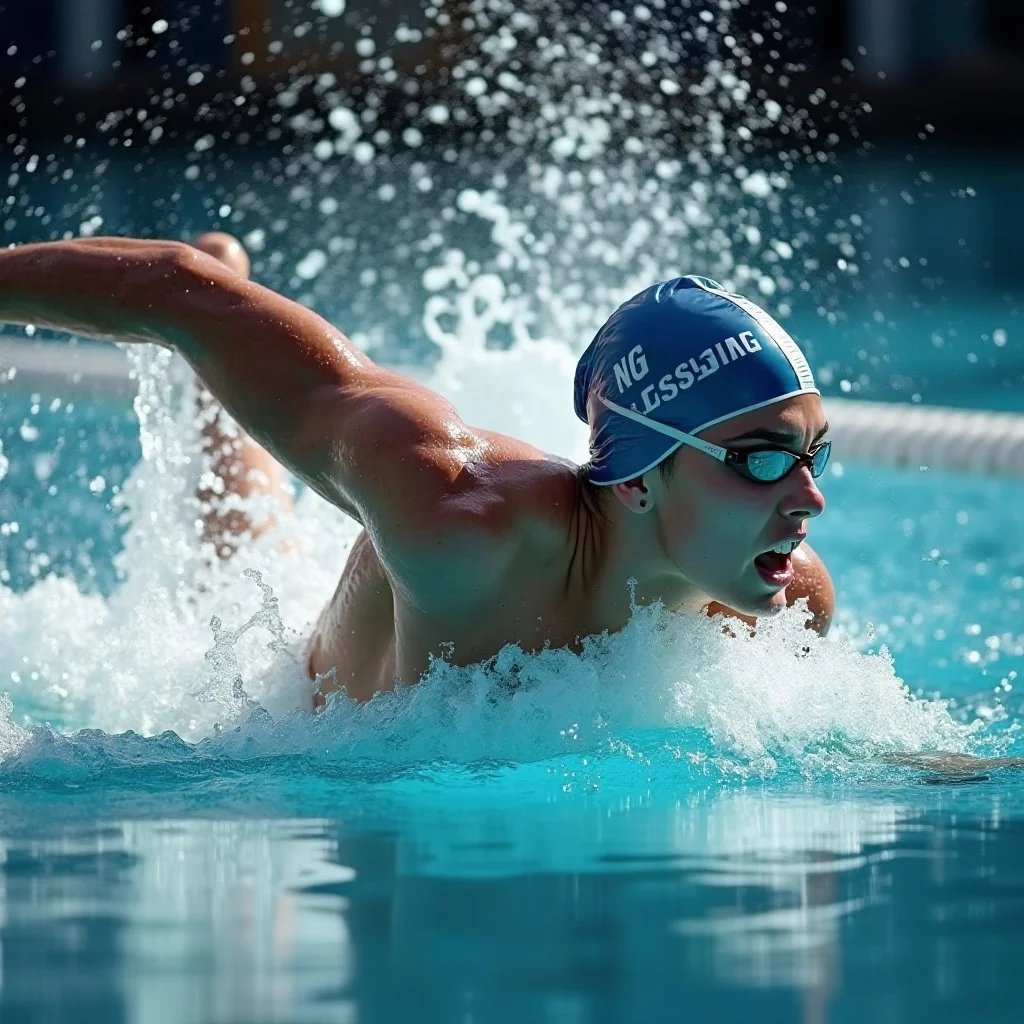
The front crawl, or freestyle, is the most common swimming stroke. Start by extending one arm forward, then alternate with the other arm in a fluid motion. Keep your head in the water, turning to the side to breathe. As you build strength and endurance, your crawl will become faster and more efficient.
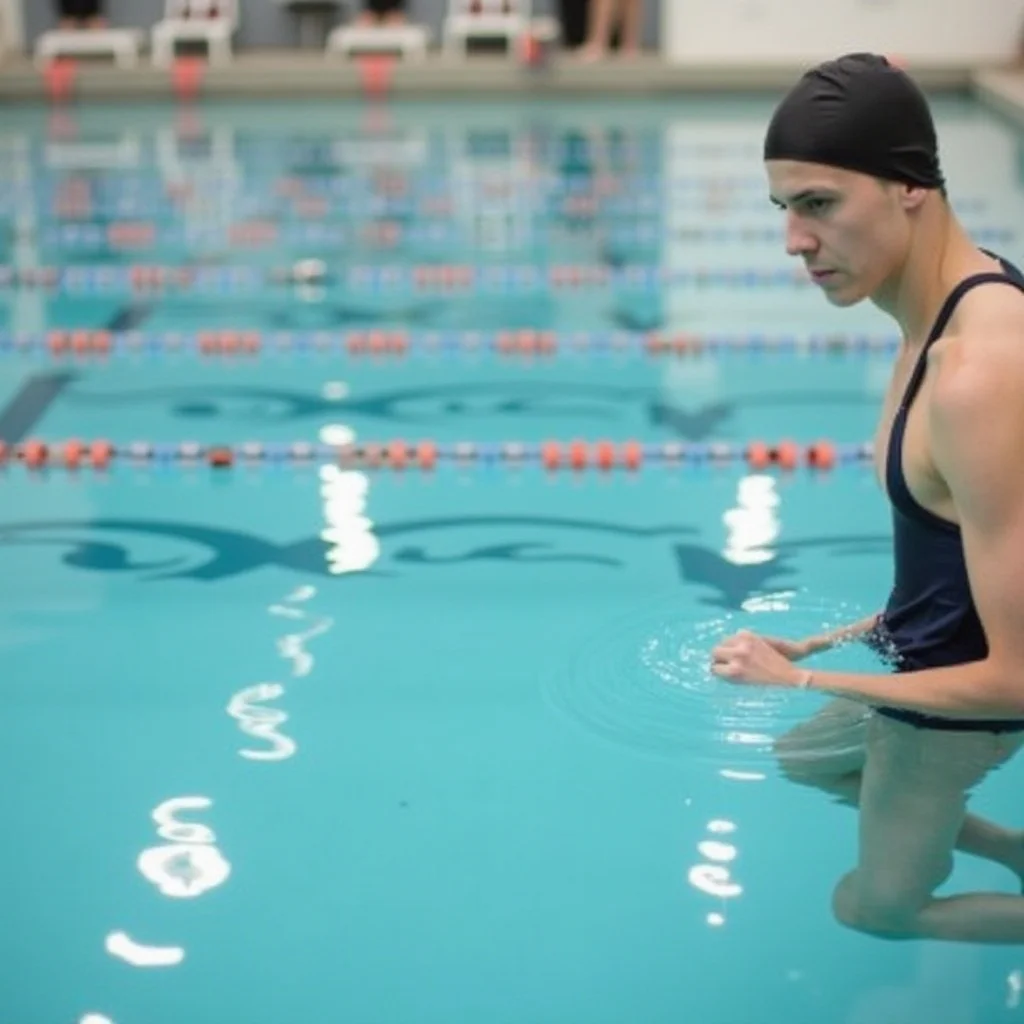
Treading water allows you to stay afloat without moving forward. Practice keeping your head above water while using your arms and legs. You can use a scissor kick, frog kick, or eggbeater kick. Treading is a key skill for staying safe in the water.
Learning how to lift yourself out of the water is essential for finishing your swim. To do this, use a strong push with your arms to lift your chest and head above the water. This will help you transition to standing, especially in deep water, where you might need to use your arms for support.

Once you’ve mastered the basics, it’s time to level up your swimming with more advanced techniques. These skills will not only improve your speed but also enhance your overall performance in the water.
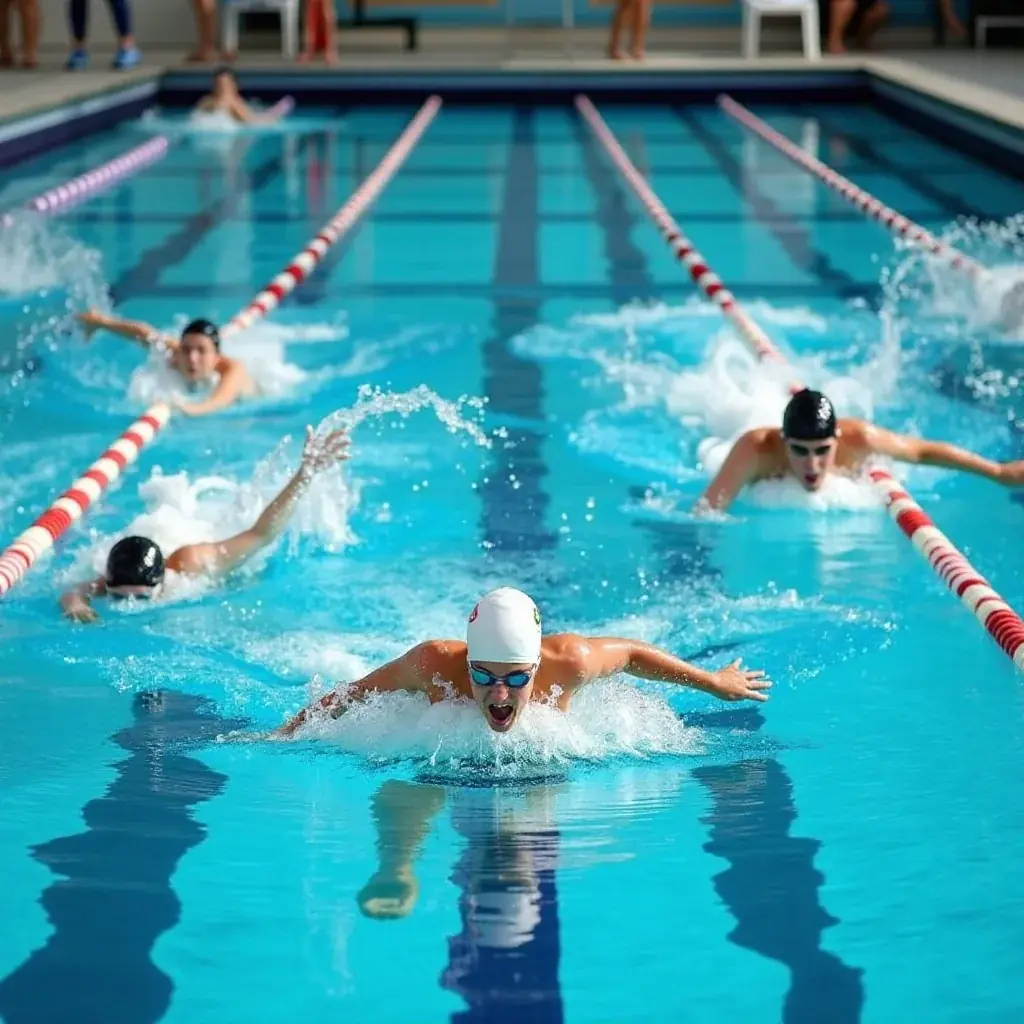
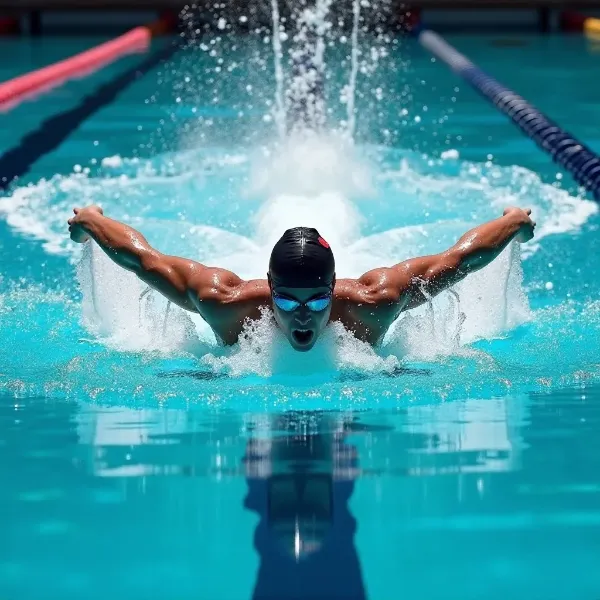
If you’ve mastered the front crawl, consider learning additional strokes such as the breaststroke, backstroke, and butterfly. These strokes offer variety and can challenge different muscle groups. Each one has its own set of techniques, from different arm movements to breathing patterns. Want to learn more about these strokes? Check out our guide on the types of swimming strokes.
Diving can take your swimming skills to the next level. Whether you’re diving into a pool from the edge or jumping from a platform, this technique requires some practice. Start with a basic dive and gradually increase the height as you gain confidence.
Before you hit the pool for your beginner swim workout, it’s important to keep safety in mind. These simple tips can help you stay safe while swimming, whether you’re at the beach, in a pool, or a lake.
Learning to swim is not just for fun—it’s a skill that can save lives, improve your health, and boost your confidence. Here’s why you should make swimming a priority:

Learning how to swim is an exciting journey that opens up a world of possibilities. Whether you’re just starting or refining your technique, swimming is a rewarding skill that can enhance your fitness, boost your confidence, and keep you safe in the water. Take it step by step, practice regularly, and most importantly, have fun!
The time it takes to learn to swim varies from person to person, but most beginners can become comfortable in the water in 6-8 weeks with consistent practice.
While you can learn to swim on your own, taking lessons from a qualified instructor can speed up your progress and help you master proper technique more efficiently.
Definitely! It’s never too late to learn how to swim. Many adults successfully learn to swim, often starting with the basics and progressing at their own pace. So go ahead and dive in!
Popular Post