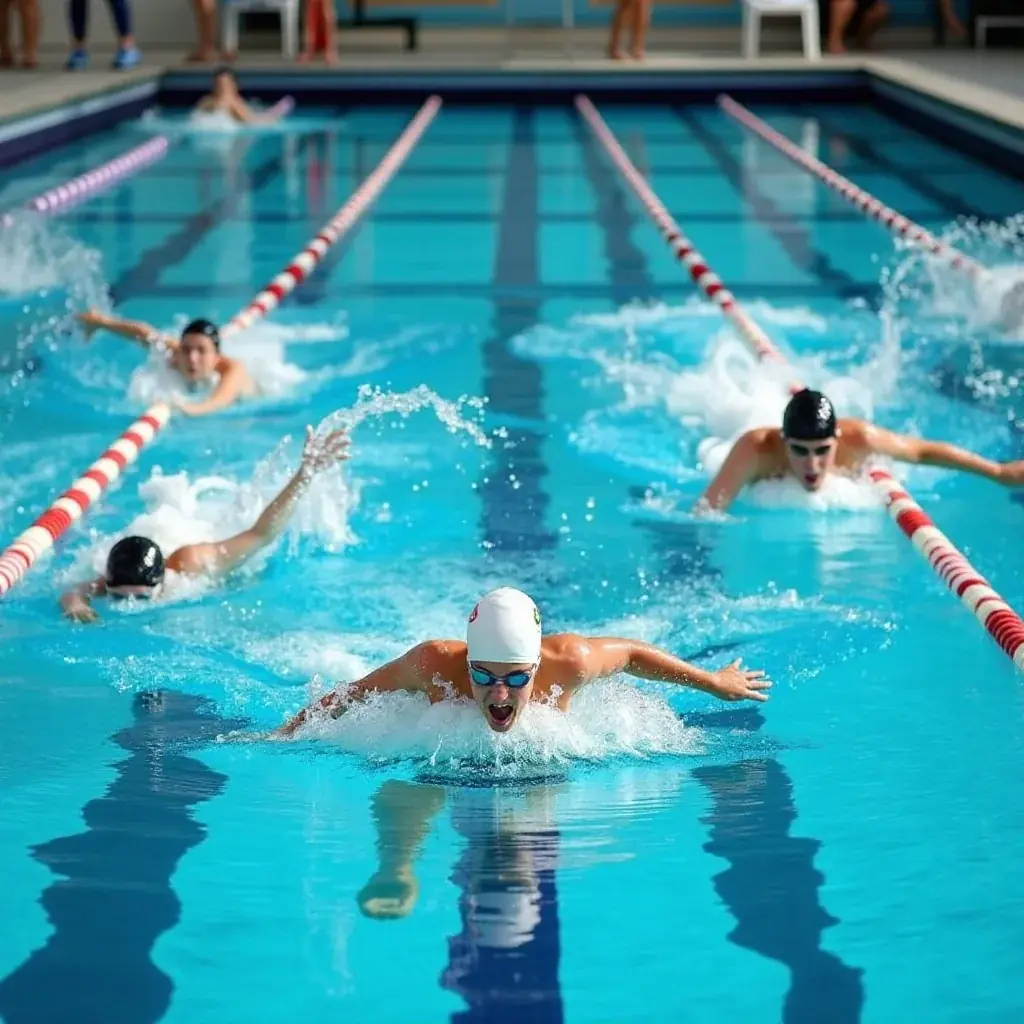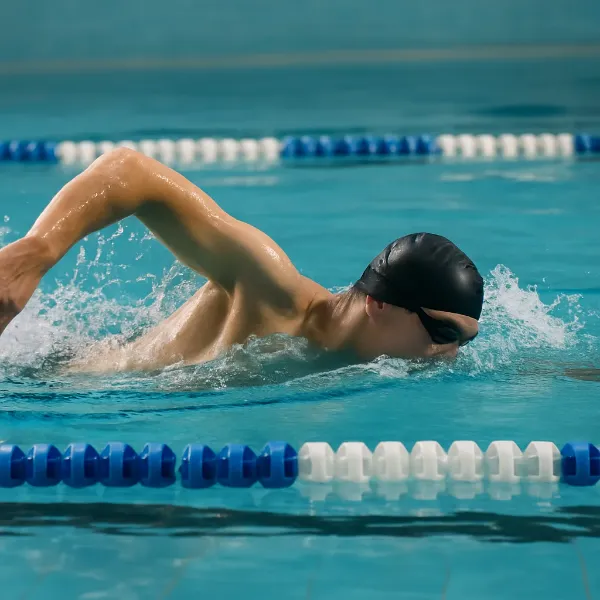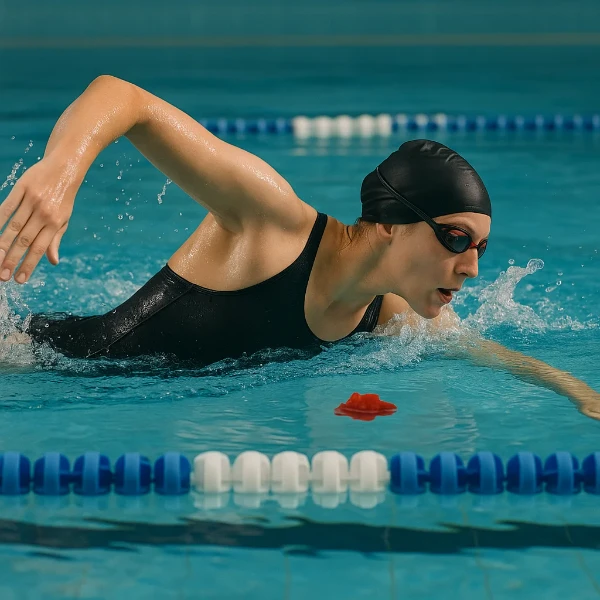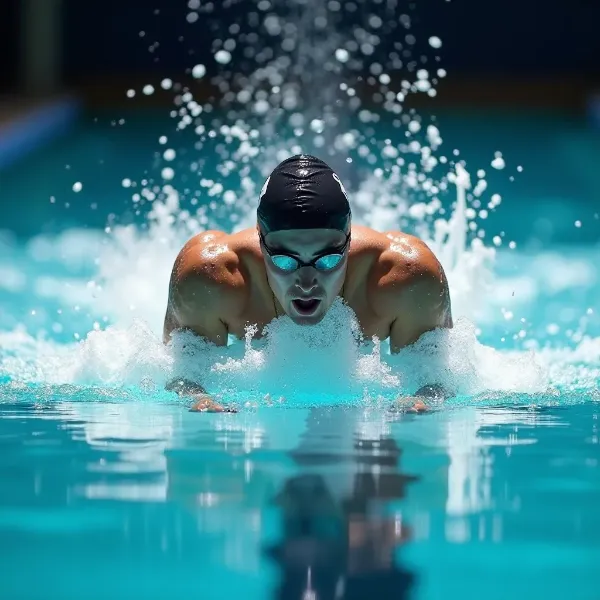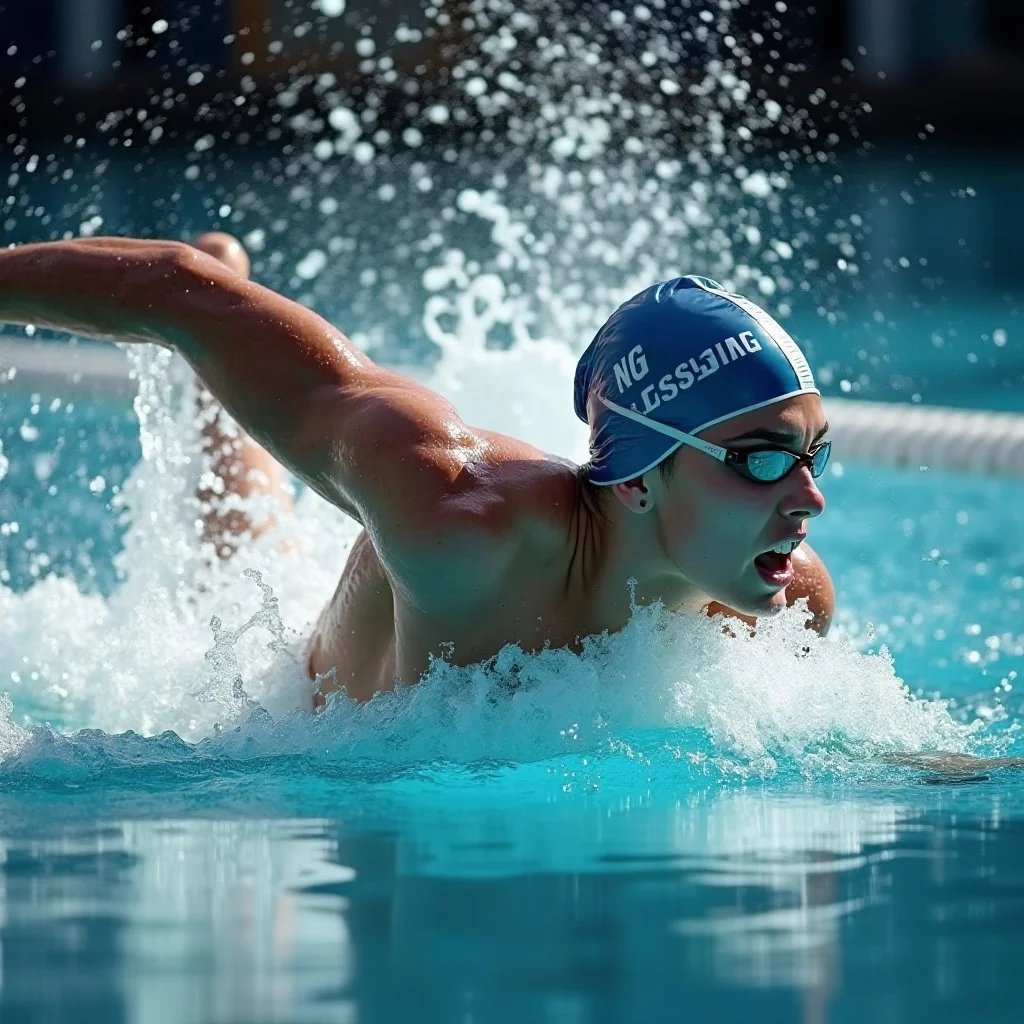
Butterfly swimming is one of the most powerful and visually striking techniques in the pool. Known for its fluid undulation and powerful dolphin kick, this stroke challenges swimmers to combine strength, timing, and coordination. While butterfly swimming can feel intimidating at first, mastering its mechanics unlocks greater speed, endurance, and full-body control.
Whether you’re a beginner learning the fundamentals or an experienced swimmer refining your technique, understanding the core movements is essential. In this guide, you’ll discover step-by-step instruction, practical drills, and expert tips to help you improve your butterfly stroke efficiently and confidently.
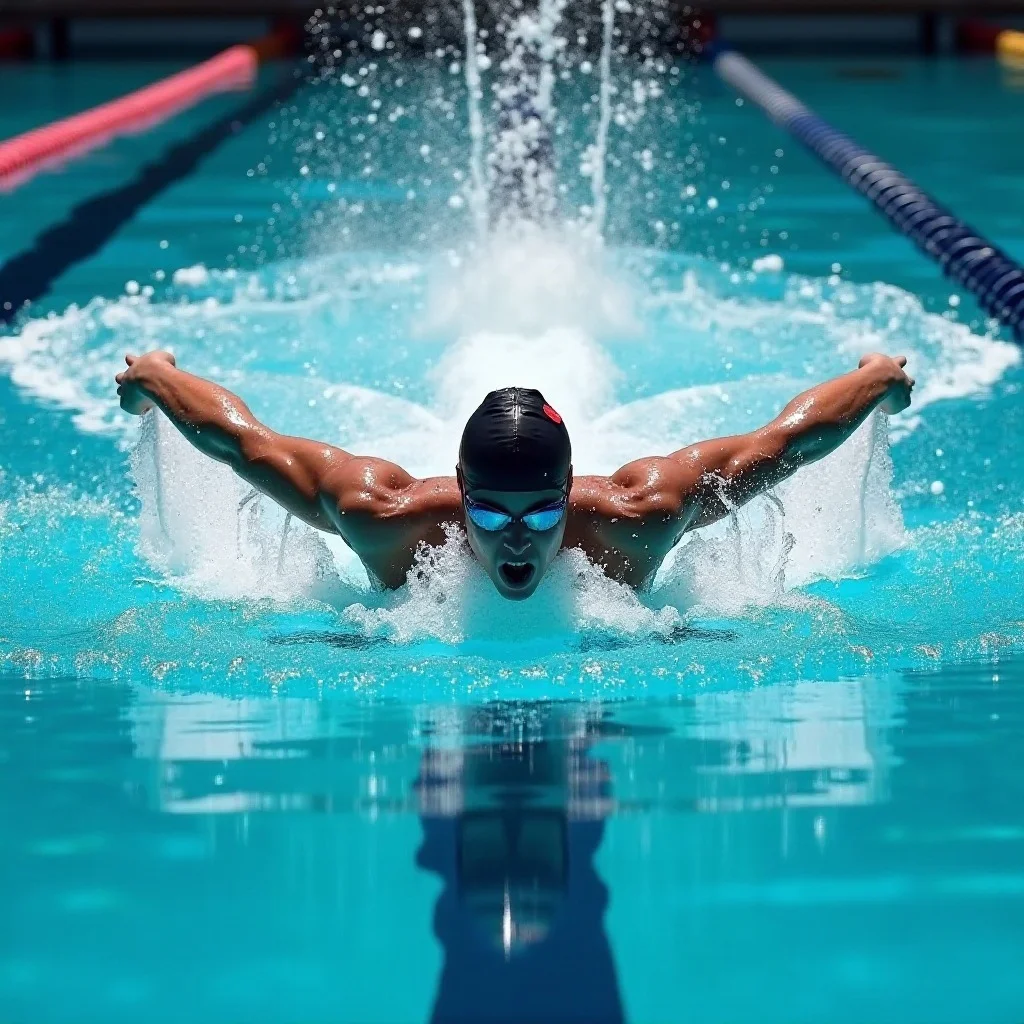
Butterfly swimming, also known as butterfly stroke swimming, is a powerful, fluid stroke that involves both your arms and legs working in unison. Often considered the most challenging swimming stroke among the four main types of swimming strokes, the butterfly requires strength, coordination, and perfect timing. It’s a full-body workout that demands technical precision, but it rewards swimmers with impressive speed and efficiency.
The stroke consists of two primary elements: the dolphin kick, where both legs move together in a wave-like motion, and the arm stroke, which involves a keyhole or S-shaped movement underwater. Learning how to swim butterfly involves mastering both elements and coordinating them smoothly to minimize drag and maximize propulsion.
Mastering the butterfly stroke brings several benefits, whether you're a competitive swimmer or just enjoy swimming for fitness. Here's why butterfly swimming matters:
Butterfly is one of the most physically demanding competitive strokes. It activates the core, shoulders, chest, back, and legs simultaneously, helping swimmers develop explosive power and muscular endurance.
Because the arms and legs must move in precise synchronization, butterfly sharpens rhythm, body awareness, and stroke timing. These improvements often carry over to freestyle, backstroke, and breaststroke.
The undulating body wave strengthens the core while improving mobility in the hips, ankles, and shoulders—key areas for efficient swimming mechanics.
As one of the fastest competitive strokes, butterfly training improves sprint performance and cardiovascular conditioning, making swimmers stronger and faster overall.
Whether you're a beginner or aiming to improve your competition times, butterfly swimming is an essential skill for any serious swimmer.
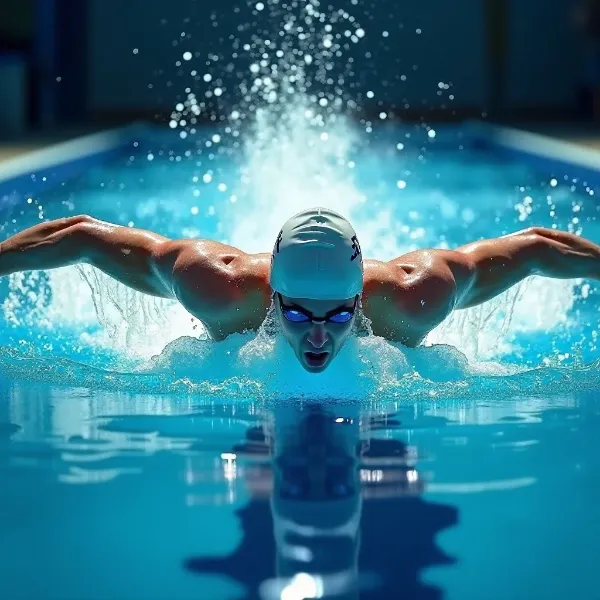
To swim butterfly well, you need to understand the mechanics that drive the stroke. Here’s a look at the core movements that make up the butterfly:
The butterfly begins with a chest-driven undulation rather than an exaggerated head lift. As the chest presses slightly downward, the hips naturally rise, creating a smooth wave that travels through the body. The goal is not to bend sharply, but to maintain a streamlined line while generating forward momentum through controlled body movement.
Underwater, the arms move from a forward extension into a high-elbow catch position. Instead of focusing on making the pull “larger,” concentrate on establishing an early vertical forearm to grip the water effectively.
The pull typically follows a curved path inward and backward, accelerating toward the hips before recovery. Power comes from maintaining consistent pressure on the water throughout the pull phase—not from making the movement excessively wide.
Each arm cycle is supported by two dolphin kicks:
This second kick provides the main forward propulsion and helps lift the upper body for breathing. Effective butterfly depends on synchronizing these two kicks with the arm stroke.
The head should remain neutral and low in the water. During breathing, lift the chin slightly forward—not upward—to inhale quickly. The face should return to the water before the arms recover fully.
Controlled breathing maintains rhythm and prevents the hips from dropping, preserving stroke efficiency.
Butterfly is a complex stroke that requires practice and gradual progression. These four steps will help break the technique down and make learning more manageable:
Start by practicing the body wave and dolphin kick without using your arms. This will allow you to get comfortable with the wave motion and the simultaneous leg kick. Focus on keeping the movement fluid and rhythmic. Once you feel the motion is smooth, begin adding more power to your kick to move faster through the water.
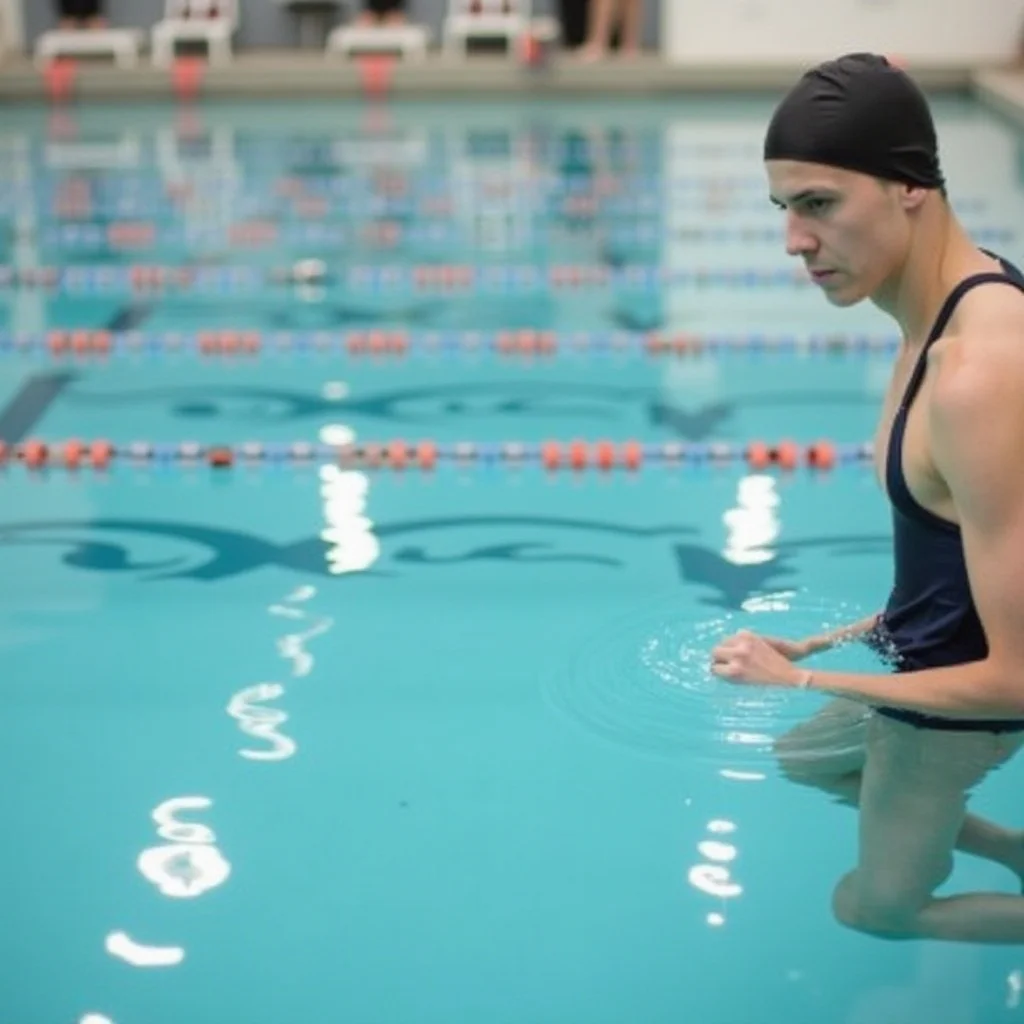
Practice the underwater pull either while standing in shallow water or by using slow single-arm drills. Focus on:
Avoid making the movement too wide. Instead, concentrate on maintaining pressure on the water throughout the pull phase.
Now integrate the arms with the dolphin kick. Each full arm cycle should include two kicks:
This second kick helps drive the body forward and supports breathing. Start slowly and focus on matching the rhythm:
Kick – Pull – Kick – Recover.
Now, you’re ready to add breathing to the mix. As you complete the arm pull, lift your head just enough to inhale. Don’t lift your head too high, or you’ll disrupt your stroke. Focus on creating a smooth, consistent rhythm between your arms, legs, and breathing. The more you practice, the more fluid and natural the stroke will become.
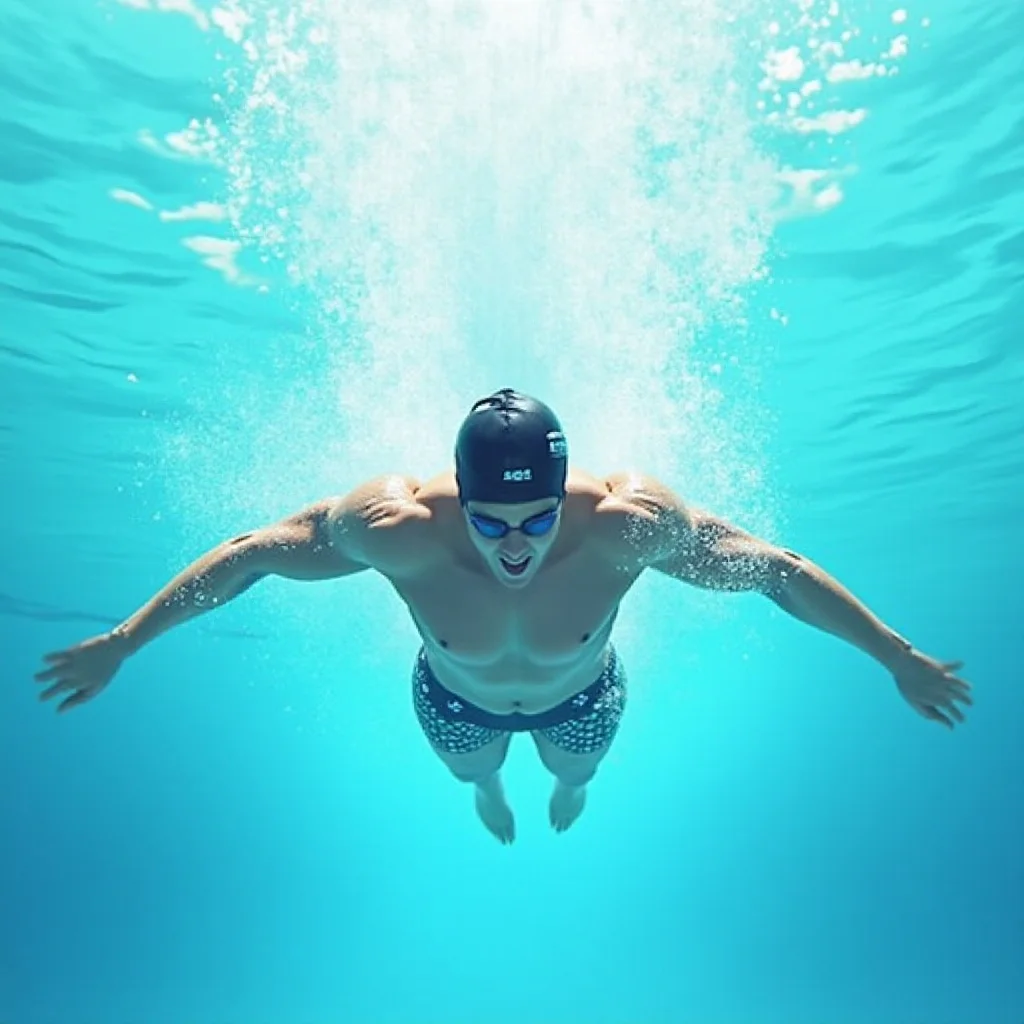
Butterfly swimming is challenging, and it’s common for swimmers to make mistakes. Here are some of the most frequent errors and how to fix them:
Why it happens:
Lifting the head too high or failing to initiate the stroke from the chest.
How to fix it:
Press the chest slightly downward as your hands enter the water and keep your head low. Engage your lower core to maintain a long, horizontal body position. Think “chest down, hips up” rather than trying to force the hips upward.
Why it happens:
Pulling straight down instead of establishing a strong catch.
How to fix it:
Focus on a high-elbow catch and form an early vertical forearm position. Instead of sweeping your arms too wide, press the water backward toward your hips while maintaining constant pressure throughout the pull.
Why it happens:
Trying to generate power from the knees instead of the hips.
How to fix it:
Initiate the kick from the hips and core. Keep the legs relatively straight with a slight natural bend at the knees. The movement should feel like a fluid wave, not a sharp snapping motion.
Why it happens:
Trying to take a long breath or looking forward instead of slightly down.
How to fix it:
Lift the chin forward—not upward—during the second kick of the stroke. Inhale quickly and return your face to the water before the arms finish recovering.
Why it happens:
Not coordinating the two-beat kick with the arm cycle.
How to fix it:
Remember that each arm cycle includes two kicks:
Practice the rhythm:
Kick – Pull – Kick – Recover.
Once the timing improves, the stroke will feel smoother and less exhausting.
To improve your butterfly swim stroke, try these helpful tips:
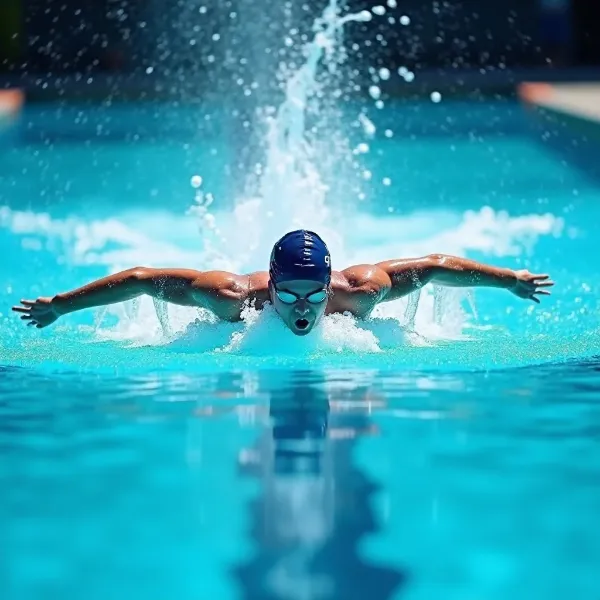
Mastering butterfly swimming takes time, effort, and practice, but the results are worth it. This stroke offers an excellent full-body workout while also boosting your swimming speed and technique. By focusing on the key mechanics, practicing progressive drills, and avoiding common mistakes, you’ll be well on your way to mastering the butterfly stroke. Whether you’re swimming for fitness or training for competition, the butterfly is a valuable stroke to add to your skill set.
Yes, the butterfly is often considered the hardest stroke to master because it requires precise timing and coordination between the arms, legs, and breathing.
The four main swimming strokes are:
The butterfly stroke is faster and more powerful, with both arms moving simultaneously, while the breaststroke uses a slower, frog-like arm and leg movement. Butterfly requires more energy and coordination but is much faster in competitive swimming.
Yes, the butterfly is often considered the hardest stroke to master because it requires precise timing and coordination between the arms, legs, and breathing.
The four main swimming strokes are:
The butterfly stroke is faster and more powerful, with both arms moving simultaneously, while the breaststroke uses a slower, frog-like arm and leg movement. Butterfly requires more energy and coordination but is much faster in competitive swimming.
Popular Post