Teaching your child to swim is one of the best gifts you can give them. But when is the right time to start swim lessons? The answer depends on your child's age, physical development, and comfort level in the water. In this guide, we'll walk you through everything you need to know about when to start swim lessons, the benefits of early swimming, and tips to ensure a fun, safe experience for your little swimmer.
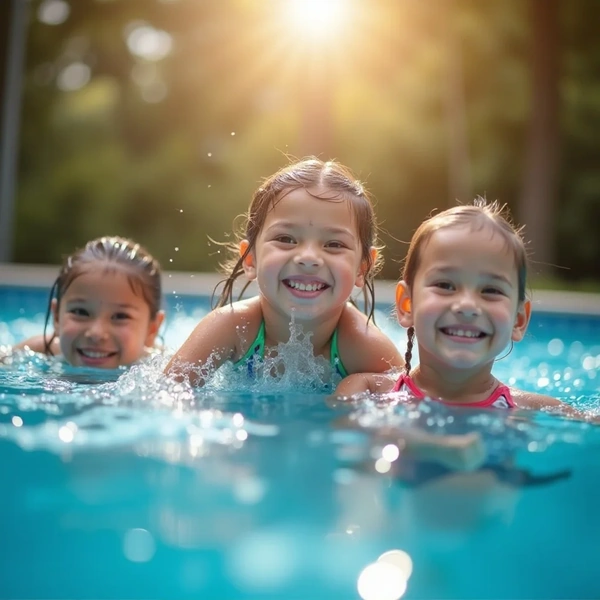
Starting swim lessons at the right age can offer a ton of benefits. Early exposure to swimming helps children develop physical coordination, strength, and confidence in the water. Plus, it can also enhance their safety skills, giving them essential life-saving skills in case of an emergency.
Here’s why early swim lessons are so important:
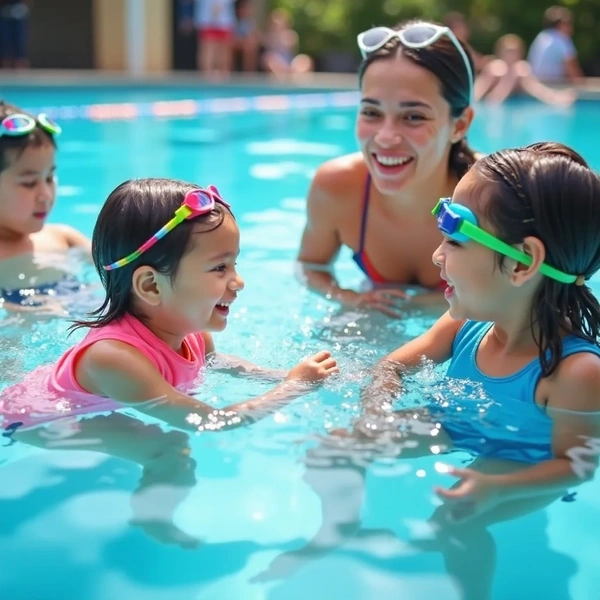
So, when is the right time to start swim lessons? Many parents wonder when to start swim lessons baby, especially during the first year of life. Most experts recommend introducing babies to water as early as 6 months old. While formal lessons usually begin around 1-2 years old, gradual exposure helps children become comfortable in the pool early on.
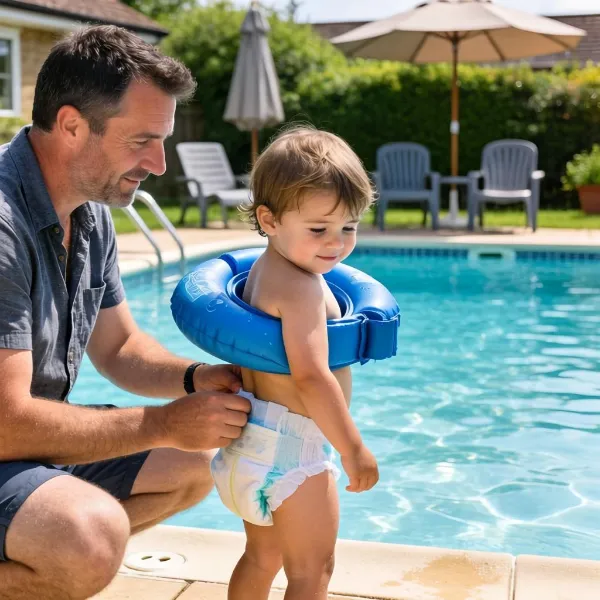
At this stage, many parents ask, when can babies start swim lessons? For infants between 6 and 12 months, lessons are less about formal instruction and more about water familiarization. Parent-and-child classes help babies become comfortable in the water while introducing basic safety skills in a supportive environment.
When your child reaches the toddler stage, you can start more formal swim lessons. This is when you can introduce simple water safety lessons, like floating on their back or learning to kick.
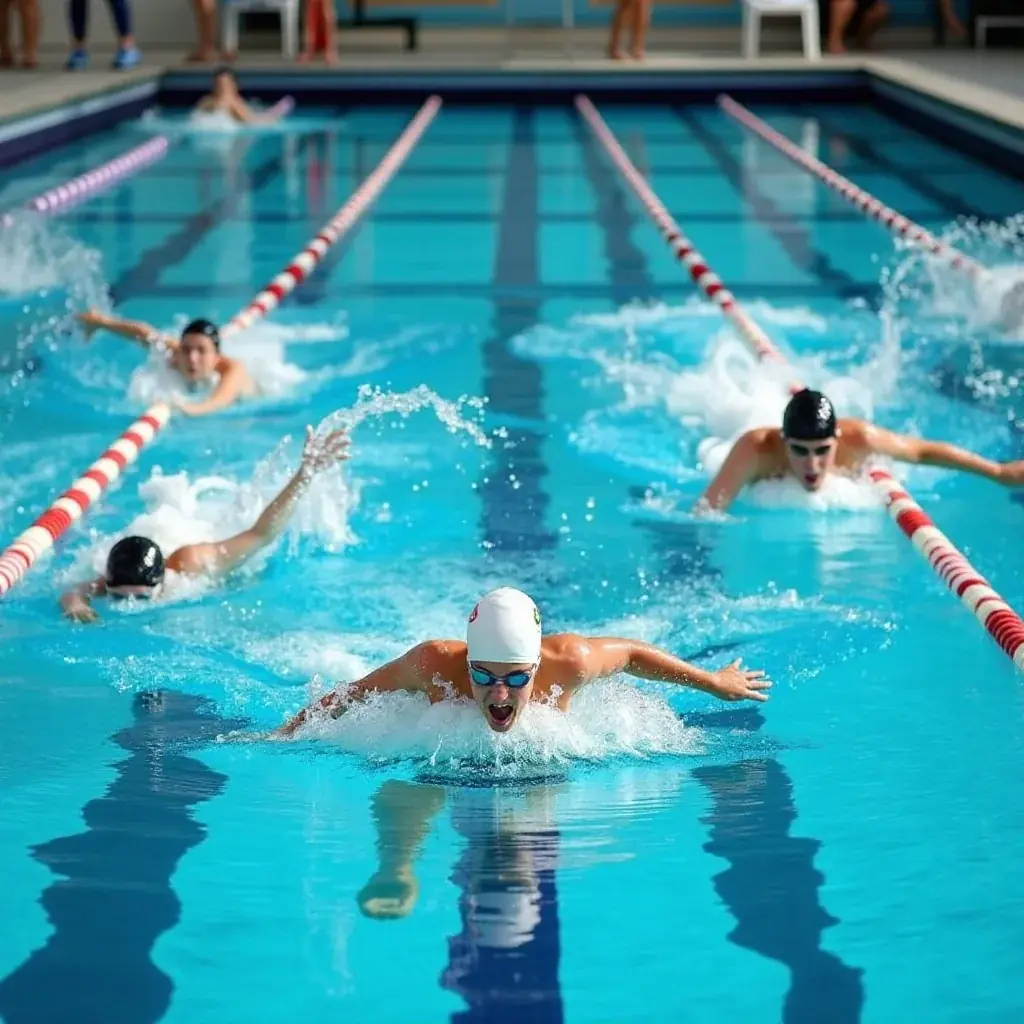
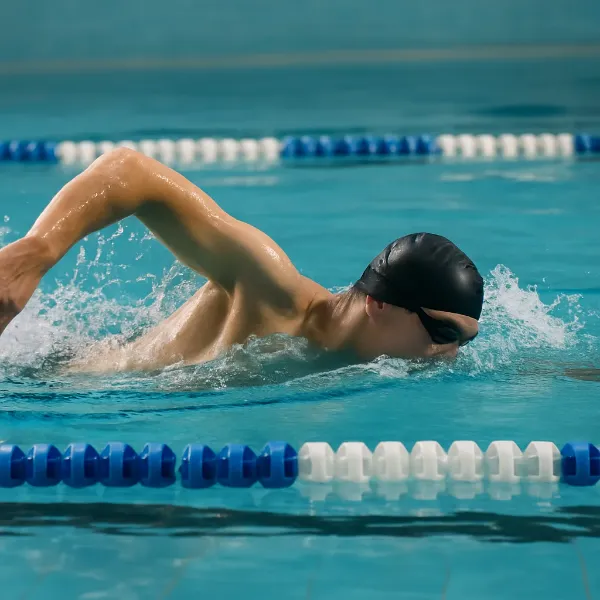
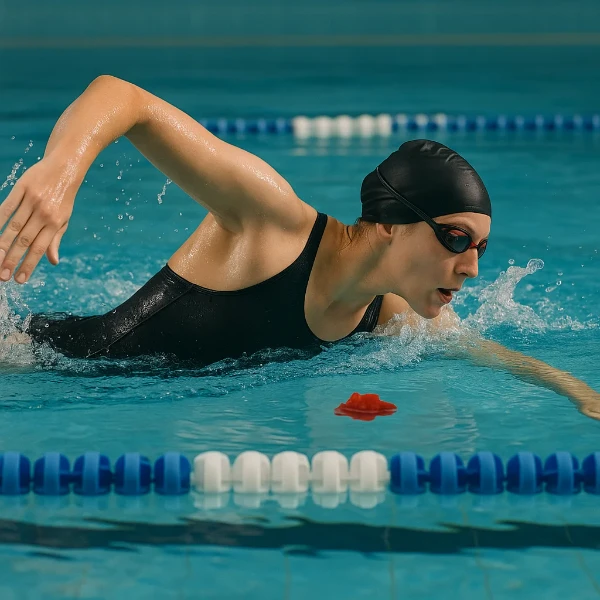
By age 3 or 4, most children are ready to begin more structured swim lessons. At this stage, they start learning the fundamentals of how to swim, including basic strokes like the front crawl and practicing short distances with supervision.
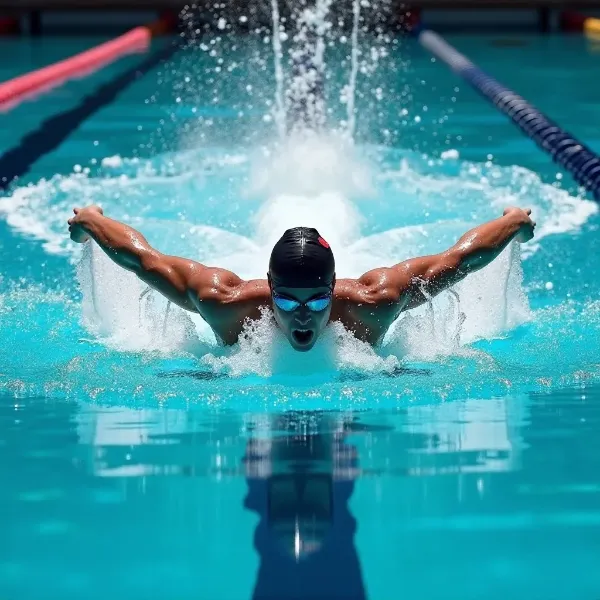
Parents who still wonder what age to start swim lessons often find that school age is a great time for more structured training. Once your child is in school, swim lessons should focus on building strength, improving technique, and increasing stamina.
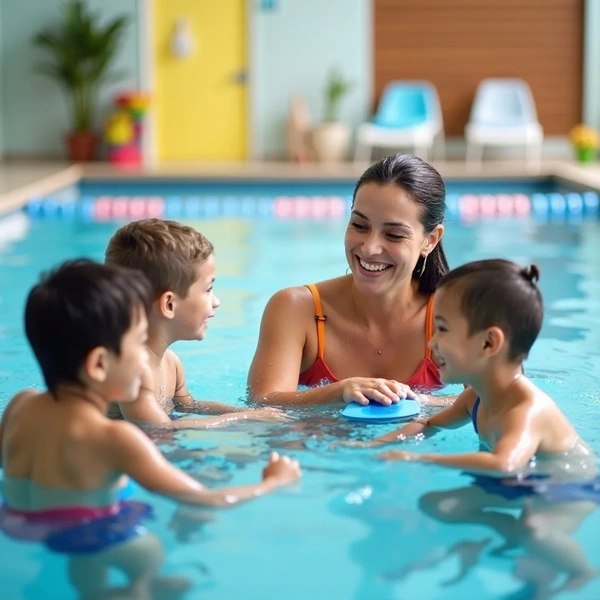
Starting swim lessons at the right age is only the first step. To ensure your child has a positive experience, here are some tips for making swim lessons a success:
Swim lessons should be enjoyable for kids! Keep the atmosphere lighthearted and positive. Use games, songs, and activities to make the learning process fun and engaging.
Examples: Play underwater treasure hunts, use floating toys, or have races to make swimming exciting.
Every child learns at their own pace, so be patient with their progress. Celebrate small victories and encourage them to keep trying. It’s important to stay calm and supportive throughout their swim journey.
Encouragement: Praise their efforts, no matter how small. It will help them build confidence and stay motivated.
Water safety should always be the top priority, especially in the early stages. Teach your child the importance of floating, treading water, and never swimming alone.
Safety Tips: Always keep a close eye on your child when they’re in or near water. Teach them to always swim with an adult and to never run near the pool.
Look for swim schools that have certified instructors, age-appropriate classes, and a safe, supportive environment. Consider small class sizes for more personalized instruction.
Finding the Right Fit: Some kids respond better to certain teaching styles, so it’s worth visiting different schools to see which one suits your child best.
Swimming is a valuable life skill, and knowing when to start swim lessons can have a big impact on your child's development. From water familiarization in infancy to advanced stroke techniques for older kids, swim lessons offer numerous physical, mental, and safety benefits. By choosing the right time to begin and following the tips in this guide, you can help your child become a confident swimmer who enjoys the water for years to come.
The best age to start swim lessons is typically around 1-2 years old. At this stage, children are ready for formal lessons, though introducing them to water at a younger age (around 6 months) can be helpful.
For young children, swim lessons typically last between 30 minutes and an hour. Shorter lessons are better for keeping kids engaged and focused.
While it's possible for some kids to pick up swimming through exposure, formal lessons are recommended to ensure proper technique and water safety. Swim lessons also provide structured learning that will benefit your child in the long run.
Popular Post