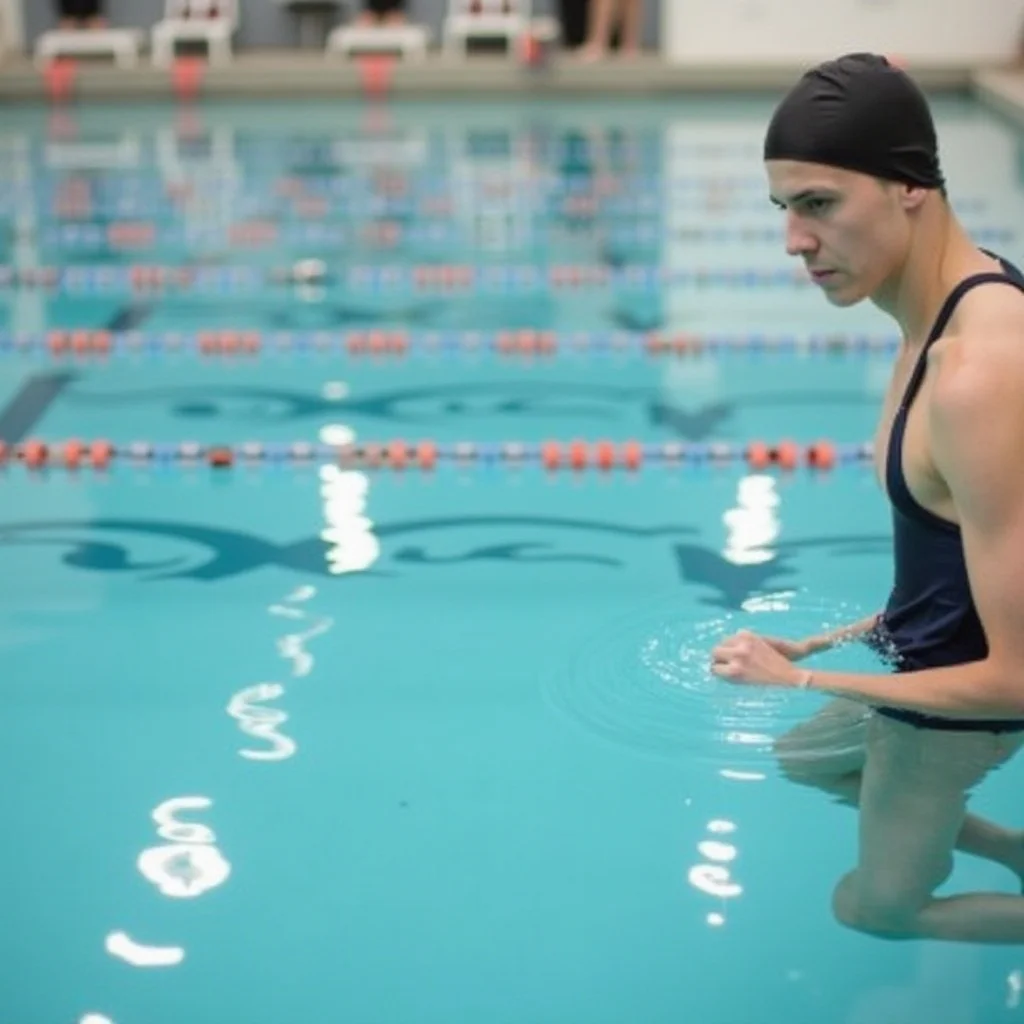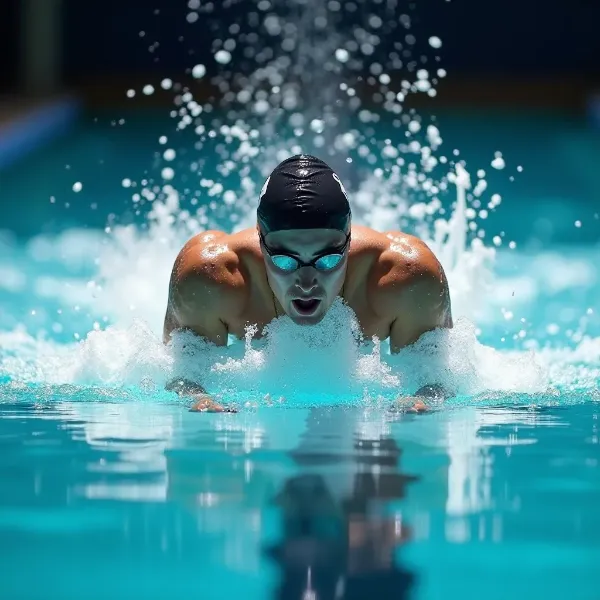
Swimming is one of the best ways to work out, offering a full-body workout that strengthens almost every muscle group in your body. Whether you’re swimming for fitness, fun, or competition, you might wonder, "What muscles does swimming work?" In this comprehensive guide, we'll break down how swimming tones your muscles, which muscles each stroke targets, and the other health benefits of this low-impact exercise.
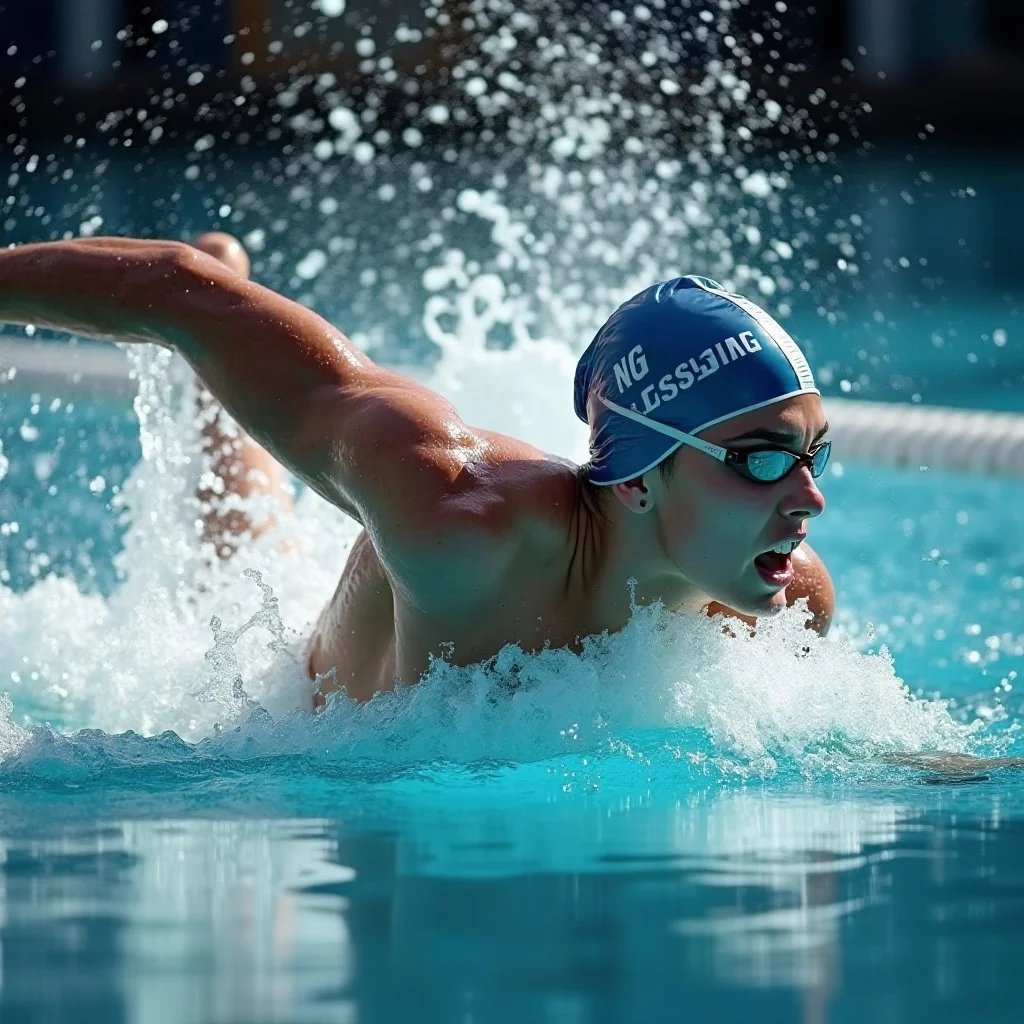
Swimming is a low-impact, full-body workout that activates muscles from head to toe. If you're curious about the swimming muscles worked during each session, you'll be glad to know that nearly every major muscle group is engaged. Unlike running or other high-impact exercises, swimming reduces stress on your joints, making it a great option for people of all ages and fitness levels. Water’s natural resistance increases the intensity of each movement, turning every stroke into a mini strength training session.
It helps improve cardiovascular fitness, builds muscle endurance, and increases flexibility. Swimming engages your core, legs, and upper body, providing a balanced workout that enhances muscle tone and strength without overloading your joints. Plus, regular swimming can help with weight loss and recovery from injury.
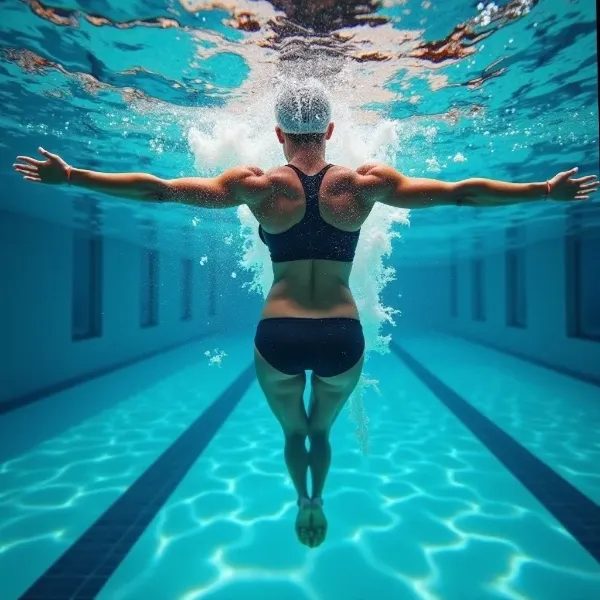
When you swim, you're using almost every muscle in your body. Understanding the muscles used in swimming helps you train more effectively and focus on specific areas. Let’s break it down by muscle groups: upper body, core, and lower body.
The upper body plays a big role in swimming, especially when it comes to providing power and propulsion. Every stroke you take engages key muscles in your arms, shoulders, and back, helping you move through the water with strength and speed.
A strong core is crucial for maintaining good posture and stability while swimming. When you engage your core, you help keep your body aligned, preventing excessive drag and improving efficiency.
While your upper body provides power, your lower body helps maintain stability and contributes to propulsion. Kicking with your legs is a key part of swimming, and the muscles in your legs are highly engaged throughout every stroke.
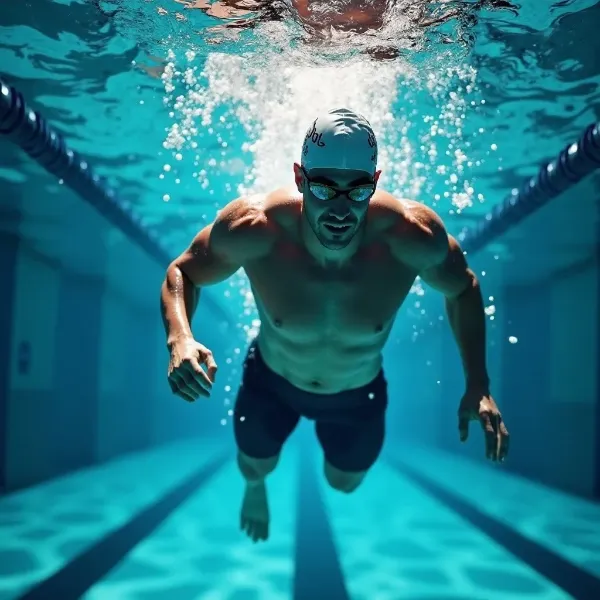
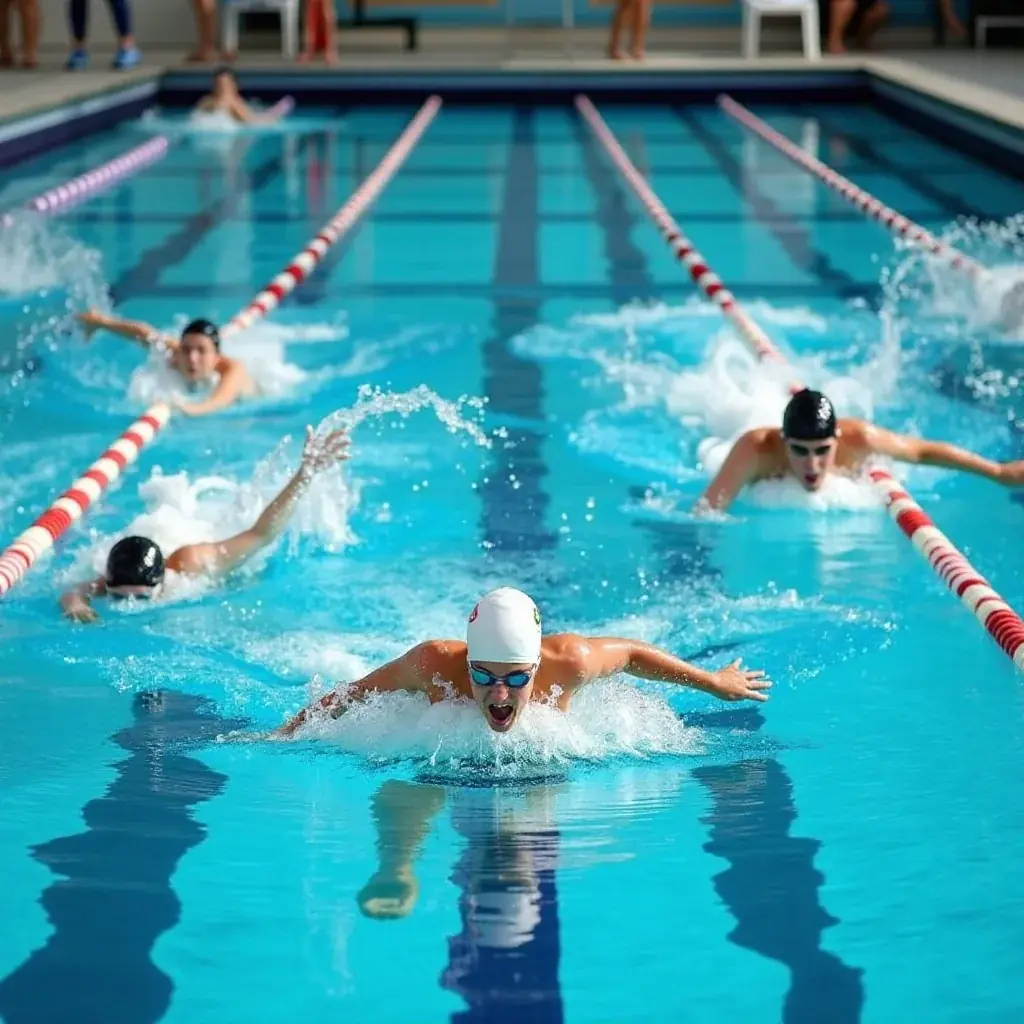
Different swimming strokes work different muscle groups, so each stroke offers unique benefits. Understanding the main types of swimming strokes can help you target specific muscles and structure your workouts more effectively. Here’s a look at the muscles worked by each stroke.
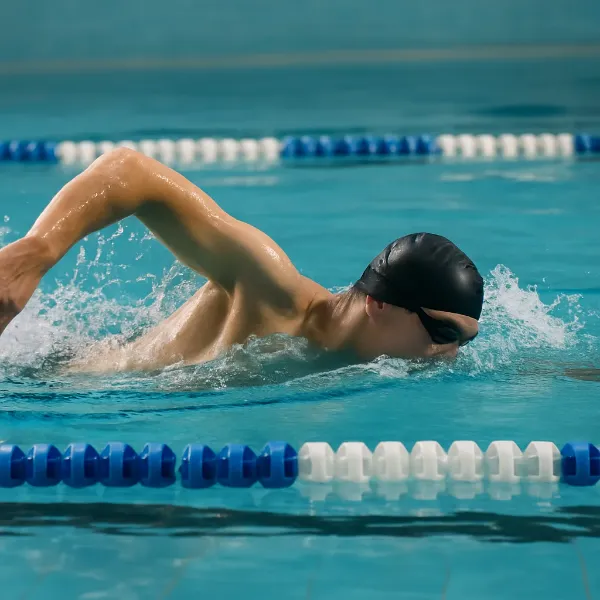
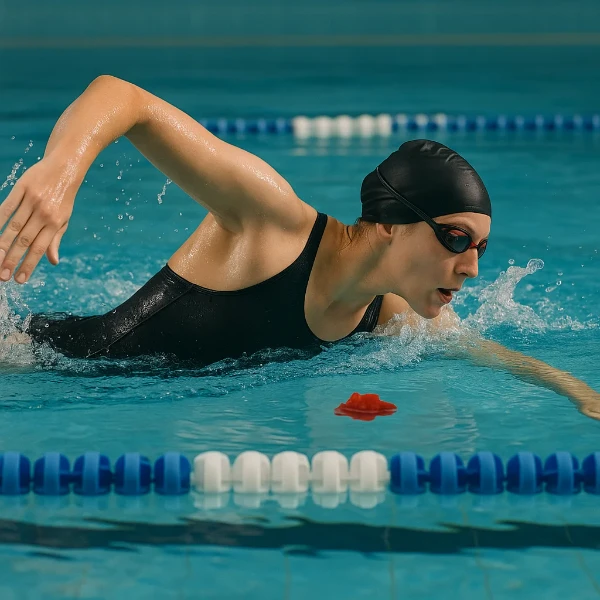
The freestyle stroke is one of the fastest and most efficient swimming styles. If you’ve ever asked what muscles does freestyle swimming work, the answer includes major upper body and core muscles, along with key lower body stabilizers.
Freestyle is a great full-body workout and a solid choice for improving cardiovascular fitness and building upper body strength. It’s also commonly recommended as a foundation for a beginner swim workout, since the movement pattern is relatively simple and helps new swimmers build endurance and coordination efficiently.
Backstroke is the only stroke where you swim on your back, which targets many of the same muscles as freestyle but with a few key differences.
Backstroke is excellent for building strength in your back and shoulders while also providing a solid lower body workout.
Breaststroke is a slower, more controlled stroke that targets several key muscles, particularly in the chest and legs.
Breaststroke is ideal for those looking to target the chest and legs while swimming at a slower pace.
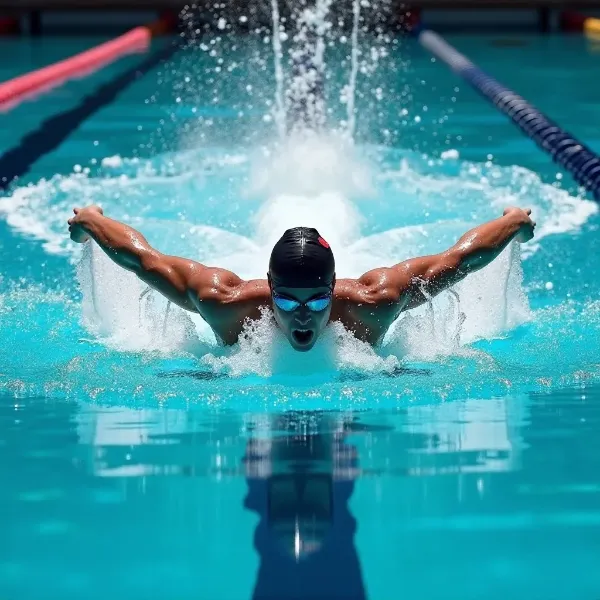
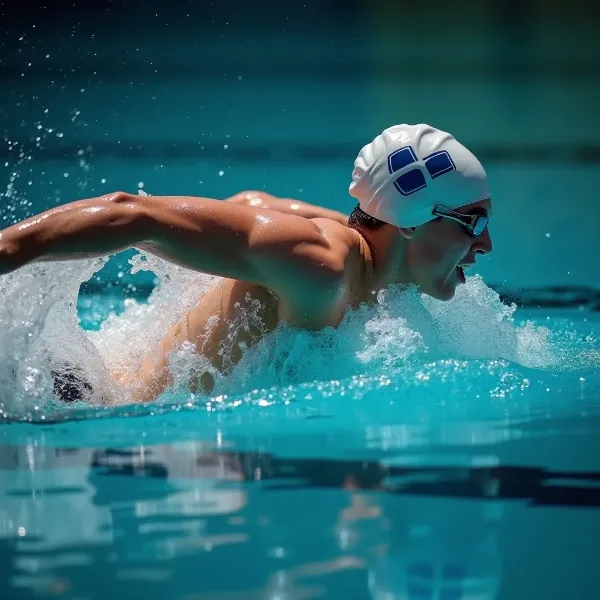
Butterfly is one of the most challenging and intense swimming strokes, working the upper body and core in a unique way while engaging the legs for propulsion.
Butterfly is a great full-body stroke that emphasizes upper body and core strength, and it’s a good challenge for swimmers looking to push their limits.
Swimming doesn’t just work your muscles—it’s also fantastic for strengthening your breathing muscles, which can improve your overall lung capacity and endurance.
Breathing properly in swimming helps improve cardiovascular endurance, while also increasing your overall aerobic capacity.
Swimming is an incredibly effective way to work out all your muscle groups. If you’ve ever wondered what muscles does swimming work, the answer includes your shoulders, arms, core, and legs. Swimming provides a balanced, full-body workout that boosts strength, endurance, and flexibility. Different strokes target specific muscles, making it easy to focus on various areas. Whether for fitness or fun, swimming helps build strength and improve overall health.
Swimming engages almost every muscle in your body. The muscles that get the most workout include the shoulders, back, chest, core, and legs. Each stroke emphasizes different muscle groups, so you get a full-body workout with every swim.
Yes, swimming for 30 minutes a day is a great way to stay fit. It’s a full-body workout that improves cardiovascular health, builds strength, and helps with weight management. For the best results, try varying your strokes and intensities.
Yes, swimming can help you build muscle, particularly in the upper body and core. It’s a great low-impact way to strengthen your muscles without overloading your joints. If you're looking to build muscle, try adding intervals or swimming faster for a more intense workout.
Popular Post