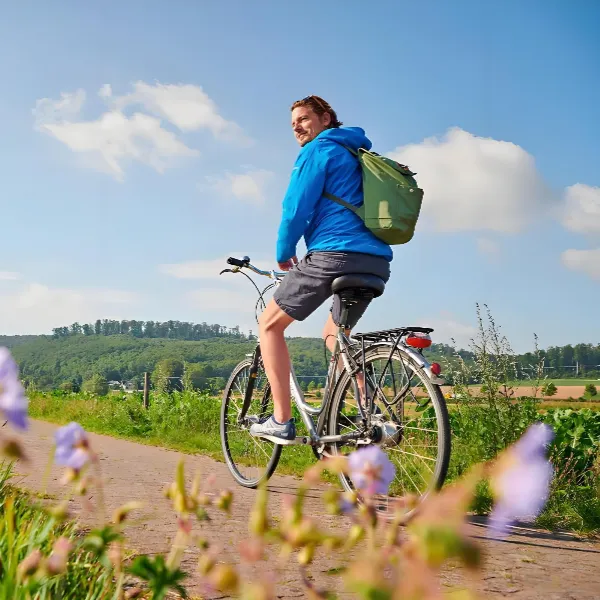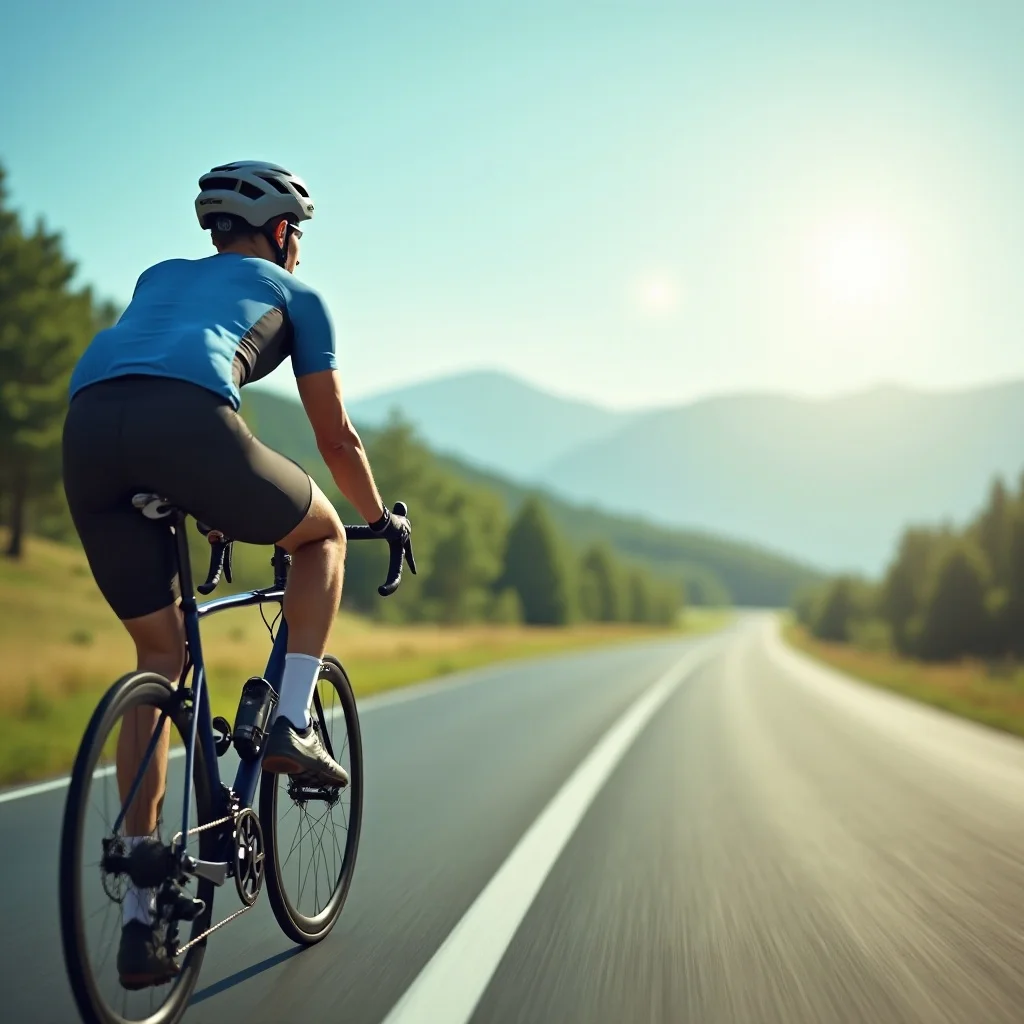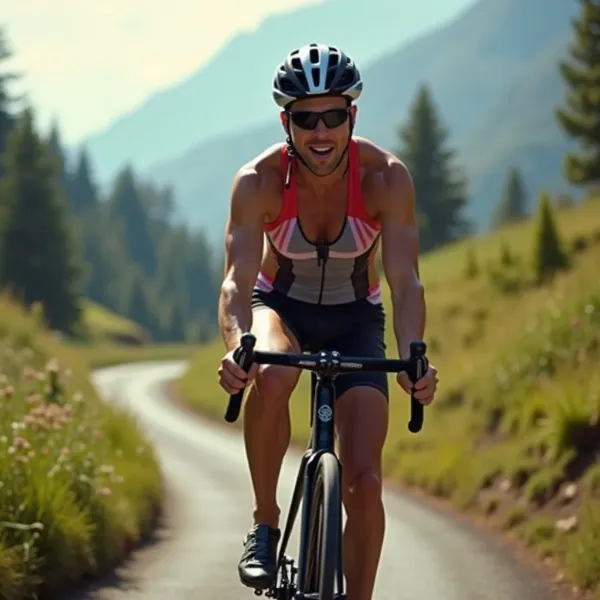
Biking is an awesome workout, offering tons of benefits for your health and fitness. Whether you’re cycling outdoors or on a stationary bike, it helps improve endurance, boost heart health, and tone muscles. But what muscles does biking work exactly? In this article, we’ll dive into the muscle groups that cycling targets, how it builds muscle, and how you can make the most of your cycling routine. Let’s break it down.
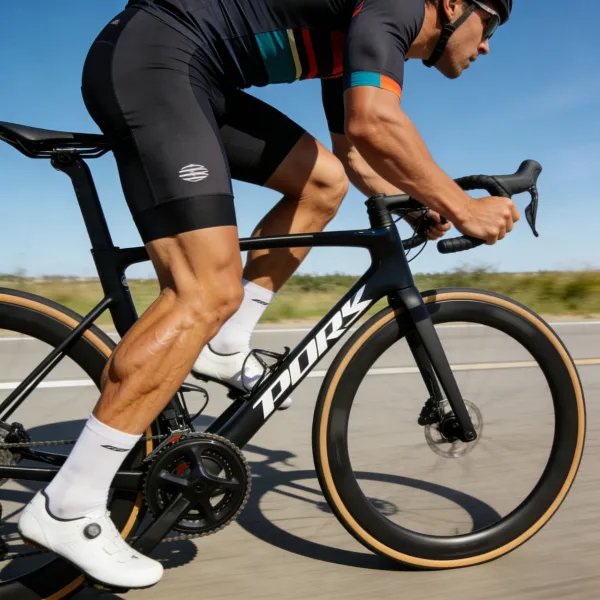
If you’ve been wondering, “Does cycling build muscle?” the answer is yes! Cycling works a variety of muscles in your body, from your legs to your core. The key is intensity. When you cycle with higher resistance or tackle hills, your muscles have to work harder, which promotes muscle growth.
However, it’s important to note that cycling isn’t primarily a muscle-building workout like weightlifting. Instead, it’s more about toning and strengthening your muscles over time. So, while cycling doesn’t bulk you up the way strength training might, it does a great job of building lean muscle and endurance.
Biking is one of the most efficient workouts for building muscle. While cycling mostly targets the lower body, it also engages other muscles, including your core and upper body. Here’s a closer look at which muscles are worked when you bike:
Cycling is a fantastic way to tone and strengthen these muscles while also improving cardiovascular health. It’s a full-body workout that keeps your legs, glutes, and core engaged throughout the ride.
Building muscle through cycling doesn’t happen overnight, but with regular workouts, you’ll start to see results. For most people, noticeable muscle gains, particularly in the legs, appear within 4 to 6 weeks of consistent cycling. However, this depends on the intensity of your workouts and the amount of effort you put in.
To really see muscle development, you’ll want to increase your intensity. This could mean cycling on steeper inclines or using higher resistance on a stationary bike. And don’t forget, nutrition plays a major role—eating enough protein will help your muscles recover and grow after each ride.
Consistency is key. The more you cycle and challenge your muscles, the stronger and more toned they’ll become.

When it comes to muscle engagement, both stationary cycling and outdoor cycling can work your muscles effectively, but each has its unique advantages.
Both types of cycling offer muscle-building benefits, but outdoor cycling tends to provide a more varied and full-body workout, thanks to the challenges of changing terrain.
Riding a bike isn’t just about endurance; it’s also a fantastic way to build strength. If you’re looking to get stronger and build muscle while biking, here are a few tips to get the most out of your cycling routine:
Before we dive into these tips, keep in mind that a bit of extra effort can go a long way in building muscle with cycling. Here’s what you can do:
By following these tips, you’ll not only build strength but also improve your cycling performance.
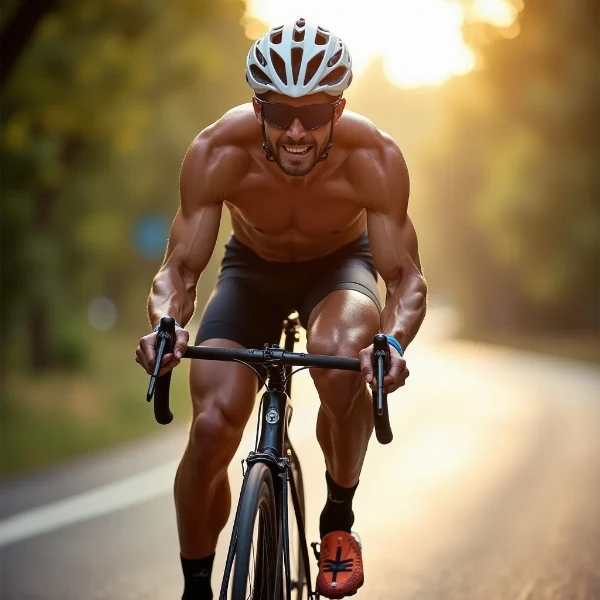
Cycling is a great way to tone and strengthen your muscles. It primarily works the lower body, but also engages your core and upper body to a certain extent. Whether you prefer outdoor cycling or a stationary bike, both offer unique benefits for building muscle and improving fitness.
With consistent effort, gradually increasing intensity, and a balanced diet, cycling can help you build lean muscle and increase strength. It’s a fantastic workout that’s easy on the joints while still providing impressive muscle-building results. Keep cycling, stay motivated, and watch those muscles grow!
If you’re curious about how many calories you burn cycling, check out this guide: Calories Burned Biking.
Yes, biking is excellent for building and toning your glutes. The upward and downward pedaling motion, especially when standing or cycling uphill, really targets the glute muscles.
Absolutely! Your core plays an important role in stabilizing your body while cycling. Engaging your core helps with balance and control, particularly during difficult terrain or uphill rides.
Definitely! Cycling is fantastic for toning your legs. The repetitive pedaling motion works your quads, hamstrings, and calves, giving you a lean, toned lower body.