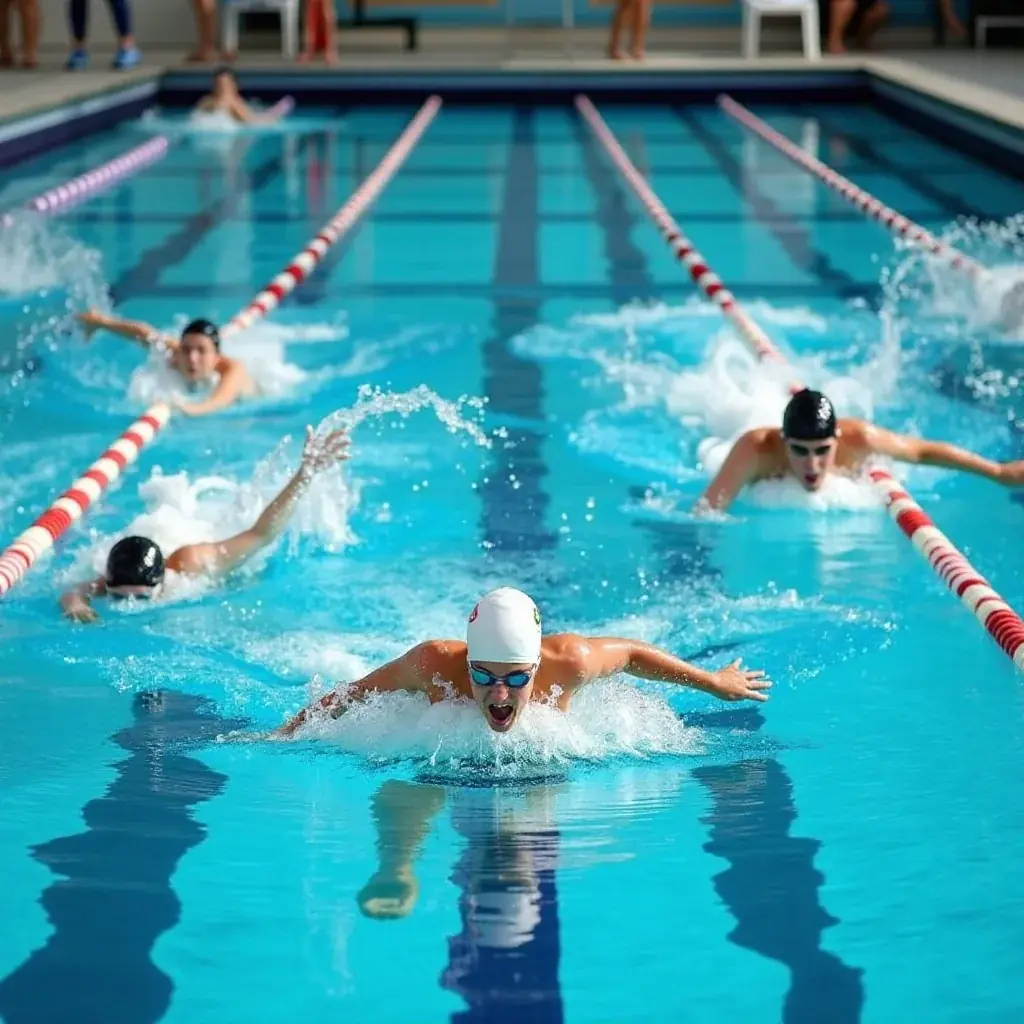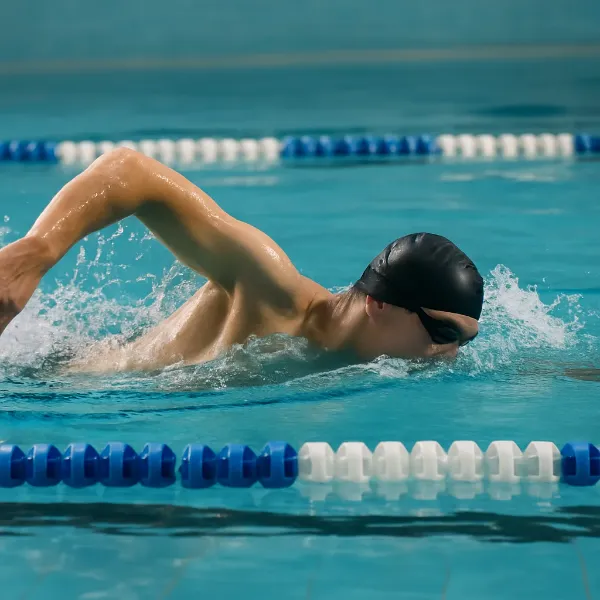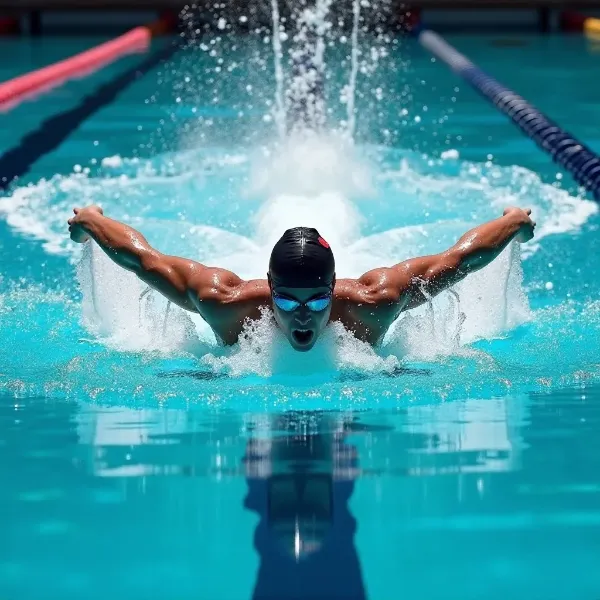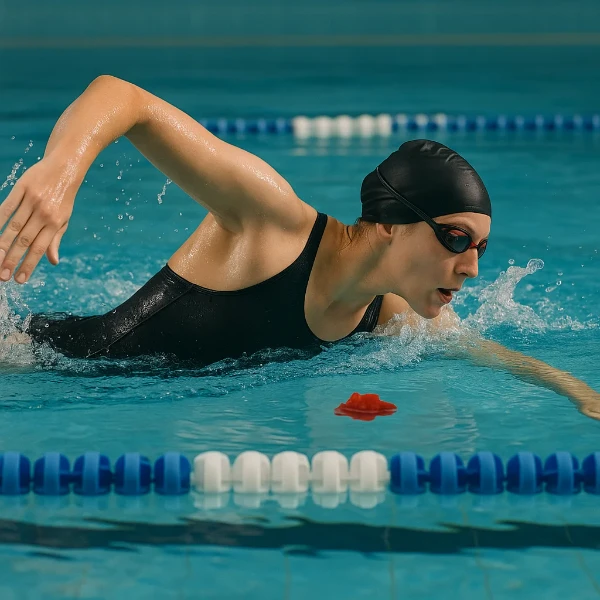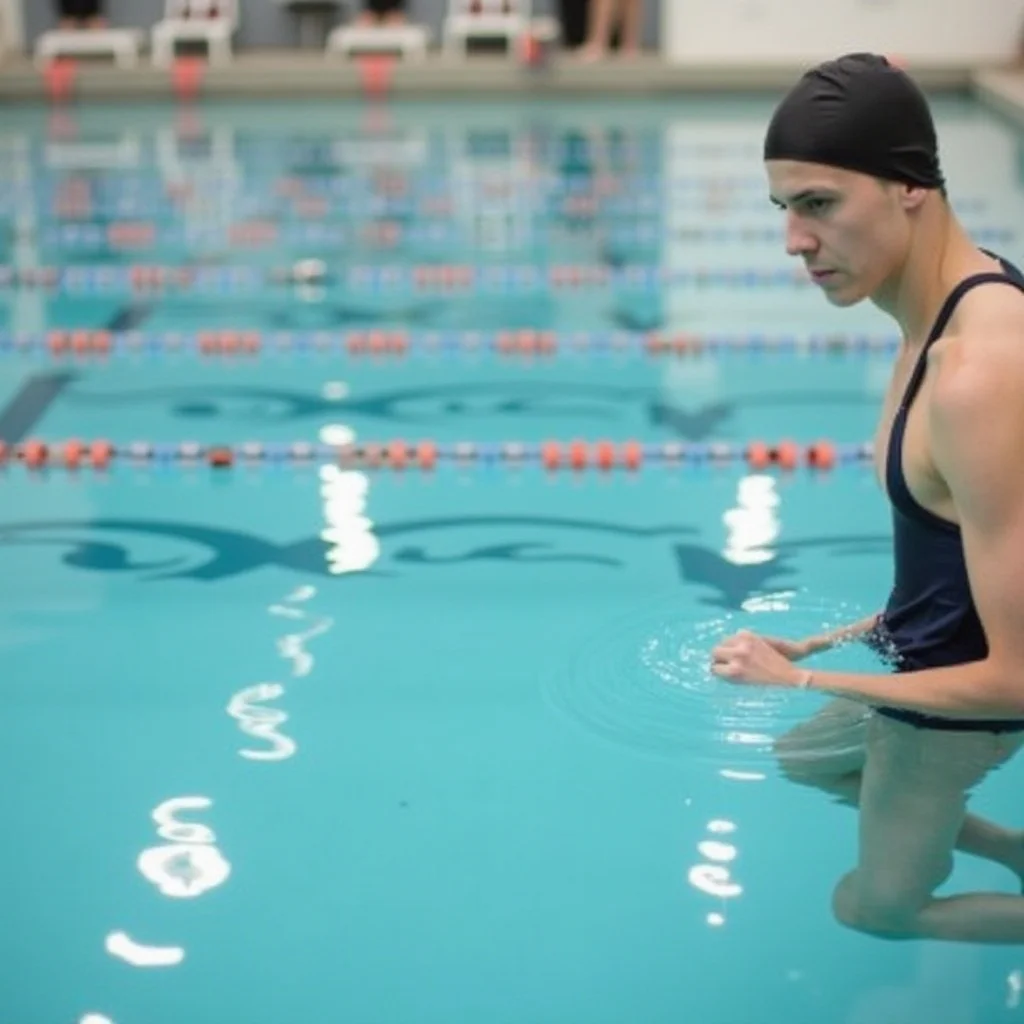
Swimming is one of the most enjoyable and effective ways to lose weight. Whether you're just starting or looking to enhance your routine, swimming offers a full-body workout that’s gentle on the joints and burns a lot of calories. But is swimming good for weight loss? Absolutely! In this guide, we'll break down how swimming can help you burn fat, the best swimming strokes for weight loss, and tips for making the most of your time in the pool.
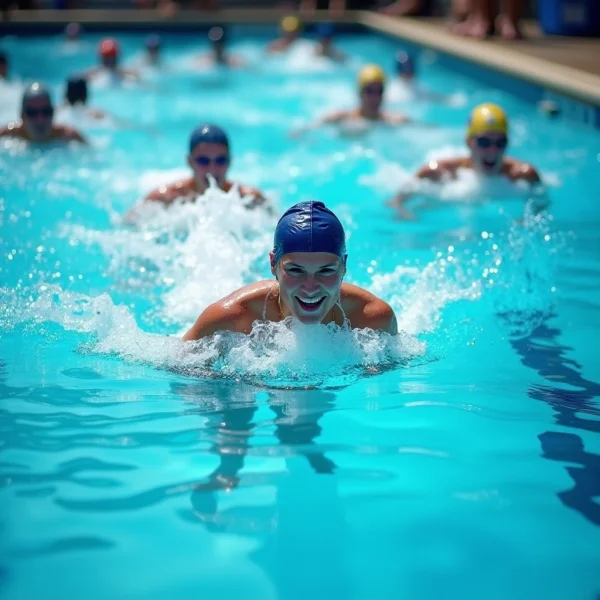
Swimming has become a favorite fitness choice for people of all ages. It’s not just a fun summer activity—it's a powerful workout that can help you lose weight and improve overall health. Here’s why so many people love swimming as a fitness routine:
If you're wondering whether swimming helps you lose weight, the short answer is yes! Let’s dive deeper into how swimming can support your weight loss journey.
Swimming isn’t just fun—it's one of the best exercises for burning calories and shedding pounds. Here's how swimming helps you lose weight effectively:
Swimming is an excellent way to burn calories, especially if you’re swimming at a moderate to high intensity. For example, a 160-pound person can burn around 400-500 calories per hour swimming at a moderate pace. If you swim at a faster pace or push yourself with interval training, you could burn even more.
To get a better idea of how many calories swimming burns for different people, check out our article on how many calories does swimming burn.
One of the biggest advantages of swimming is that it’s a full-body workout. Every stroke you make engages different muscles, from your legs to your arms and core. This muscle engagement leads to higher calorie burn and helps tone your body efficiently. Plus, swimming improves your cardiovascular health by working your heart and lungs.
If you have joint pain or are recovering from an injury, swimming is a fantastic option. The buoyancy of water reduces the stress on your joints, allowing you to work out without putting pressure on them. This makes swimming an ideal low-impact exercise that allows you to stay active while avoiding injury.
Swimming can give your metabolism a boost. By increasing muscle mass and improving circulation, swimming helps your body burn calories even after you’ve finished your workout. This post-swim calorie burn is essential for long-term weight loss and helps you maintain a healthy body composition.
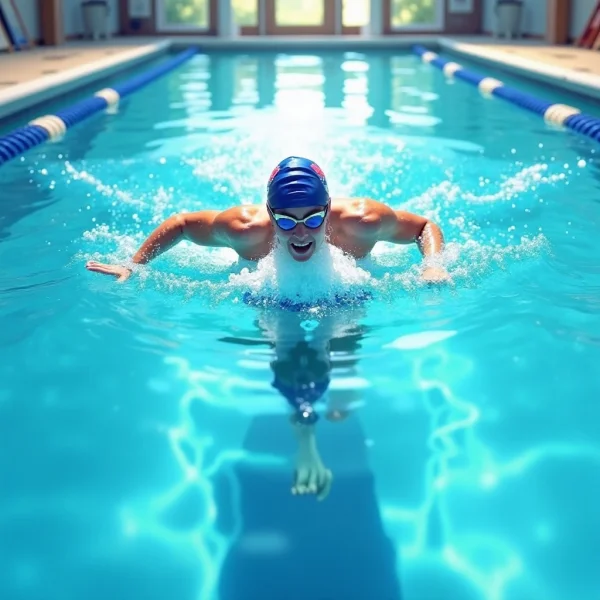
Choosing the right stroke can make a big difference in your weight loss efforts. Some strokes are more intense and burn more calories, while others are gentler but still effective. Here are the best strokes to help you shed pounds:
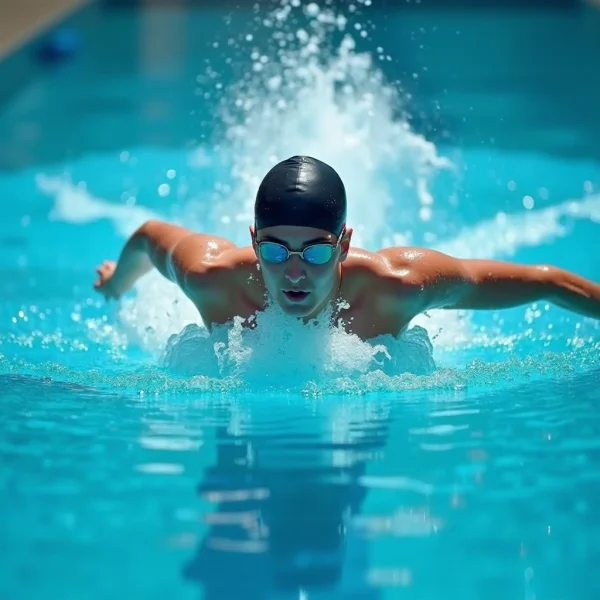
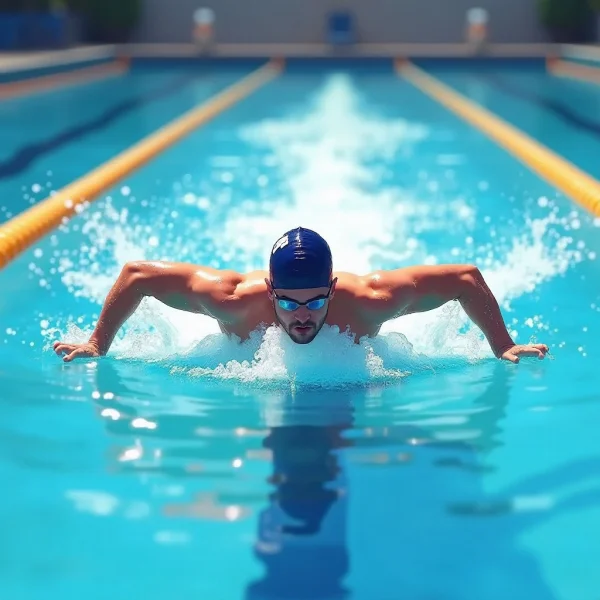
The butterfly stroke is one of the most challenging and calorie-burning strokes. It requires a lot of strength and energy, engaging your chest, shoulders, arms, and core. Because of its intensity, the butterfly can burn more calories per hour than other strokes.
However, it’s also a complex stroke to master, so it's best suited for those with some experience in swimming. Start slow and work up to faster speeds for maximum calorie burn.
Freestyle, or the front crawl, is one of the fastest strokes and one of the best for burning calories. It’s efficient and can be done at a consistent pace for extended periods, which is perfect for fat burning. By swimming at a steady pace, you can sustain an effective workout for longer, helping you burn more calories over time.
Breaststroke is a slower, more controlled stroke that’s perfect for toning muscles without overexerting yourself. It works the chest, legs, and arms while providing a more moderate-intensity workout. While it won’t burn calories as quickly as freestyle or butterfly, it's still a great stroke for building muscle and improving overall fitness.
Backstroke is one of the gentler strokes, but that doesn’t mean it’s ineffective. It’s still a great way to burn calories while engaging your back, arms, and legs. Backstroke offers a low-impact option that’s easy on your joints, making it a solid choice for those new to swimming or anyone looking for a more relaxed workout.
To get the most out of swimming for weight loss, you need to approach it strategically. Here are some tips for making your swims as effective as possible:
One of the best ways to maximize calorie burn is by incorporating interval training into your swimming routine. This means alternating between high-intensity bursts and slower recovery periods. For instance, swim at full speed for 30 seconds, then slow down for a minute or two. This type of training increases the total number of calories burned and helps boost fat loss.
To see real weight loss results, consistency is crucial. Aim to swim at least 3-4 times per week for 30-60 minutes. The more consistent you are with your workouts, the more effective they will be. Combine swimming with a healthy diet, and you’ll see faster progress.
To maximize weight loss, choose the strokes that align with your goals. For the highest calorie burn, stick with freestyle or butterfly. If you want a more moderate workout while still toning muscles, breaststroke or backstroke are great options. Mixing things up will keep your workouts exciting and ensure you're working different muscle groups.
Swimming alone can help you burn calories, but to lose weight, you need to create a calorie deficit—this means burning more calories than you consume. Make sure your diet includes nutrient-dense foods, like lean proteins, vegetables, and whole grains. Avoid high-calorie snacks that can undo your hard work in the pool.
While swimming is a fantastic exercise for weight loss, there are a few challenges to consider:
After swimming, it’s common to feel hungry. This can make it tempting to overeat, especially if you’ve worked up a good sweat. To manage your appetite, try eating a light, protein-rich snack right after your swim. This will help control your hunger without undoing the calorie burn.
Finding a pool can be a challenge if you don’t have one nearby, and it may require extra time to get there. Additionally, depending on the strokes you want to practice, you might need certain equipment, like goggles, a swim cap, or fins. These added requirements could limit accessibility for some people.
Is swimming good for weight loss? Definitely! Swimming is a highly effective and enjoyable way to shed pounds and tone your body. By focusing on the right strokes, maintaining a consistent routine, and combining your swims with a balanced diet, you can see significant weight loss results.
Whether you're just getting started or you're an experienced swimmer, the pool offers countless benefits for your fitness and weight loss goals. Dive in, enjoy the water, and let swimming help you reach your health and fitness objectives!
Yes, swimming helps reduce overall body fat, including belly fat. By increasing your calorie burn and building muscle, swimming aids in fat loss throughout your entire body.
Aim to swim 3-4 times a week for 30-60 minutes each session. Consistency and intensity are key to seeing weight loss results.
Freestyle is typically the best stroke for beginners. It’s simple to learn and allows you to swim at your own pace while building stamina.
Swimming is a great exercise for weight loss, but combining it with other activities like strength training can help you achieve even better results. A well-rounded fitness routine is the best way to stay healthy and fit.
Popular Post