Swim diapers are a must-have for parents with little ones who love the water. These special diapers are designed to contain solid waste and prevent accidents in the pool. However, unlike regular diapers, they don't absorb liquids like urine. Understanding how to use swim diapers properly helps keep the pool clean and your child comfortable.
They come in two main types: disposable and reusable. Both have their own set of benefits, depending on your preferences. It’s essential to understand how they work to make your trip to the pool safe and enjoyable.
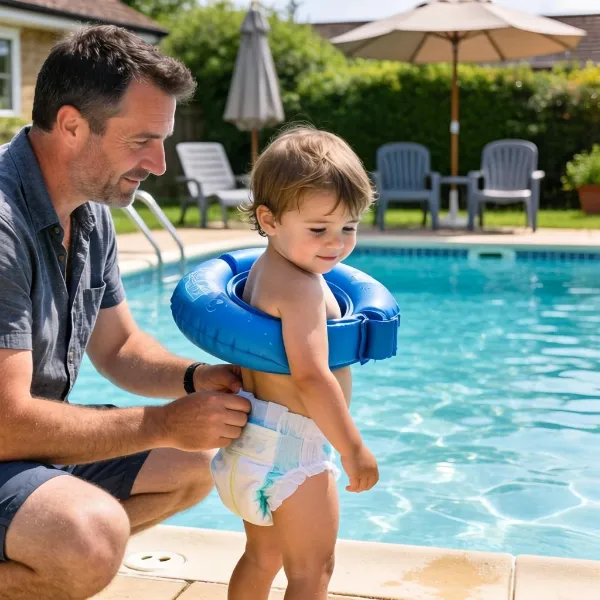
If you're wondering what do swim diapers do, they’re specifically designed to contain solid waste while allowing water to pass through. Swim diapers are made with stretchy materials and elasticized leg cuffs to ensure they stay in place during swimming.
Many parents ask do swim diapers absorb pee, and the answer is no—swim diapers aren’t designed to hold urine. They only work to keep solids contained. So, be sure to change your baby out of the swim diaper once they’re done swimming to avoid any accidents.
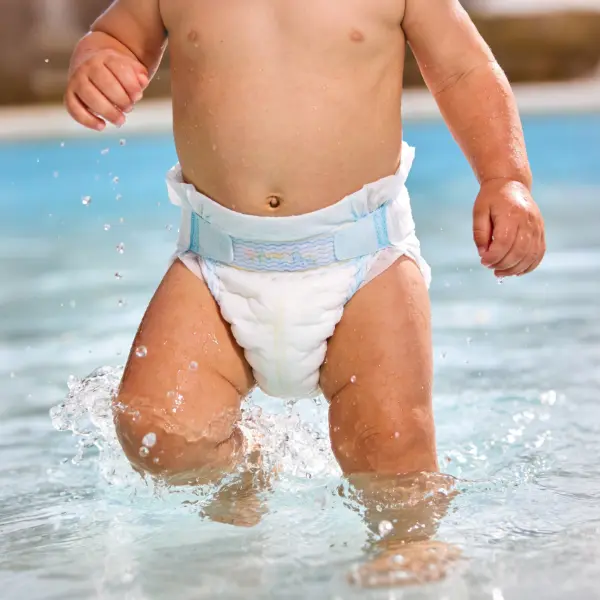
If you want your little one to stay clean and comfy in the water, here’s how to use swim diapers the right way:
It’s best to put the swim diaper on right before you head to the pool. Make sure your child is changed out of their regular diaper first. If you put the swim diaper on too early, it could be uncomfortable, and you want to ensure it fits well right before they go into the water.
A snug fit is key to preventing leaks. Make sure the swim diaper fits tightly around your child’s waist and legs. Most swim diapers have adjustable tabs or stretchy sides, so you can customize the fit.
If the diaper is too loose, it won’t hold everything in. If it’s too tight, it may be uncomfortable for your baby. Check the fit around the leg openings and waist to ensure they’re not too tight or too loose.
While swim diapers are designed to hold in solids, they should still be checked regularly. If the diaper becomes too full or feels loose, it’s time for a change. After about 30–60 minutes in the pool, check for leaks or signs that it needs changing.
If there’s an accident, don’t wait—take your child out of the water and change them immediately to prevent discomfort and possible skin irritation.
When it’s time to change, remove your child from the water first. Gently dry them off with a towel before changing into a fresh diaper. Keep the poolside or changing area clean by using a portable changing mat or towel.
For reusable swim diapers, rinse them immediately after use. For disposable diapers, dispose of them properly—never leave them on the poolside.
Dispose of disposable swim diapers right away in a designated trash bin. Be sure to seal it in a plastic bag to contain any odors. Don't flush swim diapers, as they’re not designed to dissolve in water. Proper disposal helps keep the environment clean and hygienic.
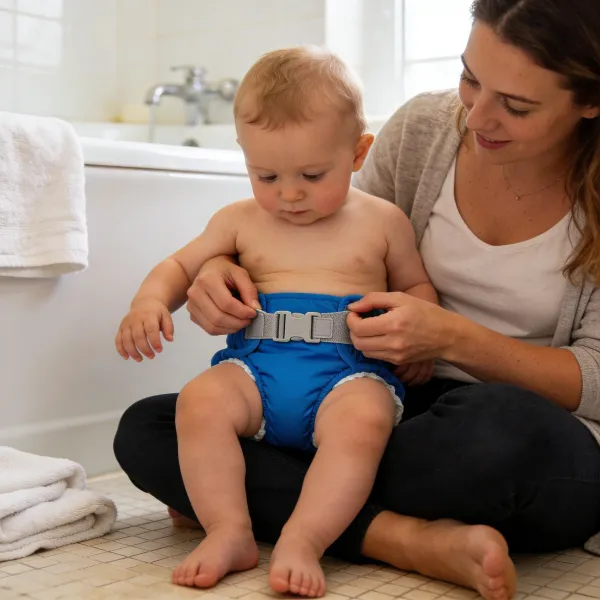
To better understand what is a swim diaper and how it differs from a regular diaper, it helps to know that there are two main types available. When choosing swim diapers, you’ll encounter two main options: disposable and reusable.
Pros: Convenience, Easy Disposal
Disposable swim diapers are convenient and easy to use. They’re perfect for one-time trips to the pool. Once your child is done swimming, just remove the diaper and toss it away.
Cons: Single-Use, Environmental Impact
They aren’t as eco-friendly, as they contribute to landfill waste. They can also be less reliable for extended swim sessions, as they may not provide a snug fit or could leak if left on for too long.
Pros: Eco-Friendly, Adjustable, Long-Lasting
Reusable swim diapers are designed to be washed and used multiple times. These eco-friendly options save money in the long run, as you don’t have to buy a new diaper every time you visit the pool. Reusable diapers are also often adjustable, giving a customizable fit for your child.
Cons: Requires Washing, Less Convenient for Travel
The downside is that they need to be washed after each use, which can be a hassle for busy parents. They may not perform as well during extended swim sessions.
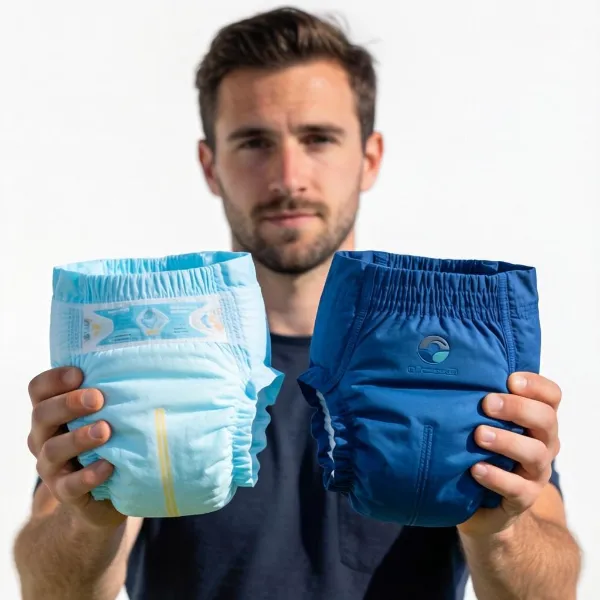
For added protection against leaks, many parents use a "two-diaper system." This involves wearing both a disposable swim diaper and a reusable one for extra security.
The disposable swim diaper acts as the first line of defense, keeping solids contained. The reusable diaper goes over the disposable one, providing an extra layer of protection to keep everything securely in place. This double layer helps reduce the chance of leaks, especially during longer swim sessions.
First, put the disposable swim diaper on your child and fasten it securely. Then, add the reusable swim diaper on top, ensuring a snug fit around the waist and legs. This two-diaper system provides peace of mind, especially for parents concerned about accidents while swimming.
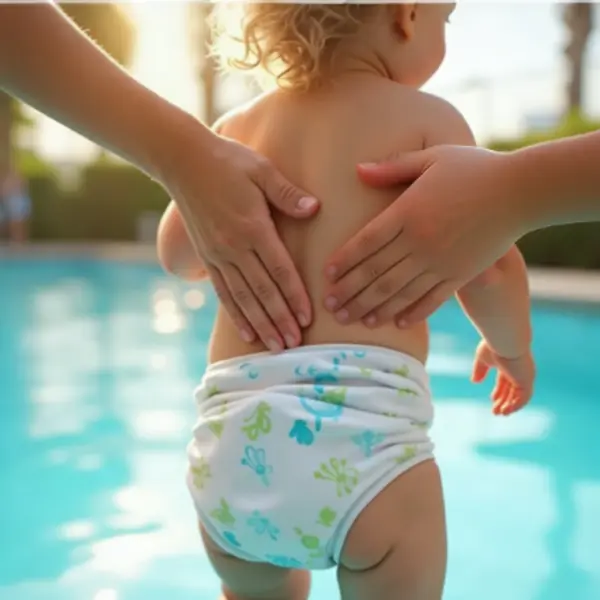
Even though swim diapers are a great solution for pool time, there are a few common mistakes parents often make. Avoiding these can make your experience much smoother.
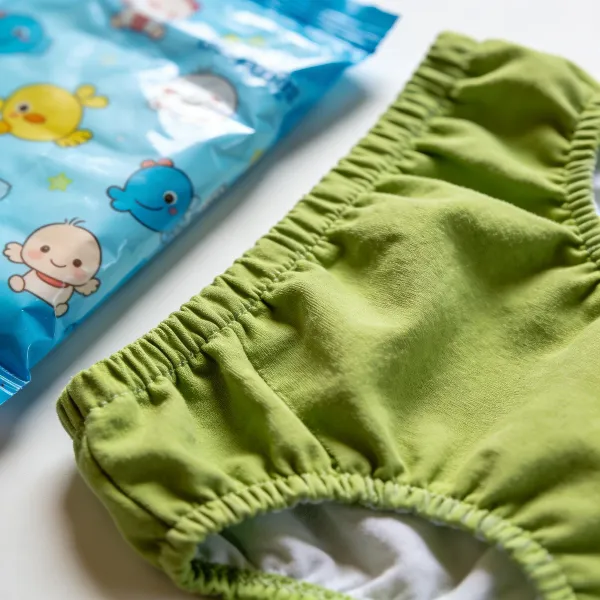
Now that you understand how to use swim diapers, you can make sure your child stays comfortable and clean while having fun at the pool. Whether you choose disposable or reusable options, the key is ensuring a snug fit, checking regularly for leaks, and properly disposing of or washing the diapers after each use.
For more tips, you can also check out our article on can you swim on your period.
Typically, a regular diaper isn't necessary under a swim diaper, as swim diapers are specifically designed to contain solids. However, some parents choose to use both for added protection.
Swim diapers are not designed to absorb urine. Their primary purpose is to contain solid waste, so be sure to change your child out of their swim diaper after swimming.
If your child has an accident, take them out of the pool immediately. Dispose of or rinse the diaper thoroughly and replace it with a fresh one. Always keep extra diapers on hand to be prepared.
Popular Post