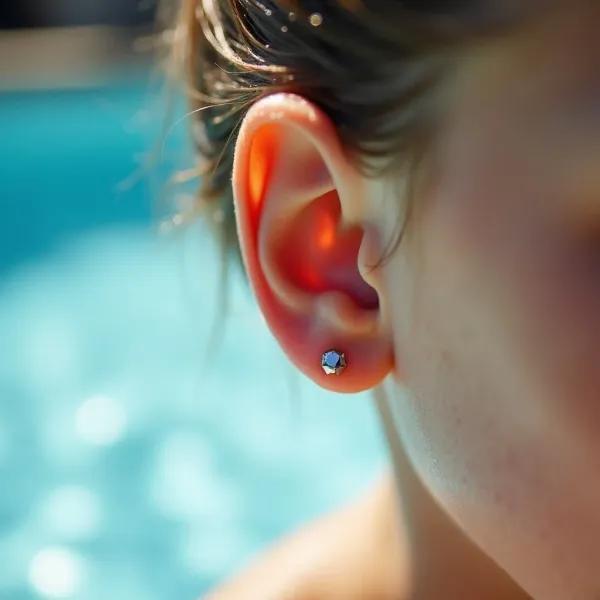
Ear pain after swimming is a common issue, especially when water gets trapped in the ear canal. Whether it's a mild irritation or more intense discomfort, it's important to know how to relieve ear pain after swimming. In this guide, we'll walk you through effective remedies and tips for preventing ear pain, along with advice on when to seek medical attention.

Ear pain after swimming can be caused by water, infection, or pressure. Knowing what causes the pain can help you figure out the best way to manage it.
Ear pain after swimming is usually caused by water getting stuck in the ear canal. When water is trapped, it creates a damp environment that can lead to bacterial or fungal infections, commonly known as swimmer’s ear. Other causes may include changes in water pressure or irritation from cleaning your ears too roughly.
If your ear hurts after swimming, you may notice a few telltale signs:
These symptoms are often linked to swimmer’s ear or simply water trapped in the ear, but they can also signal other conditions, so it’s important to pay attention.
Swimmer's ear (otitis externa) is an infection of the outer ear canal caused by bacteria or fungi. It usually happens when water stays in the ear too long, leading to an infection. If you’re dealing with pain, swelling, and discharge after swimming, it could be swimmer’s ear. This infection is one of the main causes of ear pain after swimming, especially in public or untreated water.
If you're dealing with ear pain after swimming, there are several ways to ease your discomfort and get back to enjoying the water.
The first thing you should do when your ear hurts after swimming is dry it out. To do this, simply tilt your head to the side, pull your ear gently, and let gravity do the work. You can also try using a hair dryer on a low setting from a safe distance to help dry the ear. Just make sure the dryer isn’t too hot or too close to avoid burning your skin.
If you’re dealing with pain, over-the-counter pain relievers like ibuprofen or acetaminophen can provide quick relief. These medications help reduce inflammation and ease discomfort. Additionally, some topical ear treatments can soothe the ear canal, but make sure to follow the instructions carefully.
A warm compress can do wonders for ear pain. Use a clean cloth soaked in warm water and place it gently over the painful ear for several minutes. This will not only help with pain relief but also help open up the ear canal, which can make drainage easier if water is trapped.
Preventing ear pain after swimming is about taking a few easy steps before and after you take the plunge. By being proactive, you can protect your ears and avoid the discomfort.
Earplugs are a great way to prevent water from getting trapped in your ears while swimming. Specially designed earplugs for swimmers are made to fit comfortably and keep water out. You might also want to try wearing a swim cap, especially if you’re swimming in cold water or want extra protection for your ears.
After you’re done swimming, make sure to dry your ears well. Gently towel-dry the outer part of your ear and then tilt your head to the side to help any trapped water drain out. If you swim frequently, ear-drying drops can help evaporate moisture and prevent infections from forming.
If you’re prone to ear infections, it’s important to be cautious about the water you swim in. Avoid swimming in dirty or untreated water, especially lakes or ponds, as they can harbor bacteria that increase your risk of swimmer’s ear. Chlorinated pools are usually safer, but if you swim often, using earplugs can be a good preventative measure.
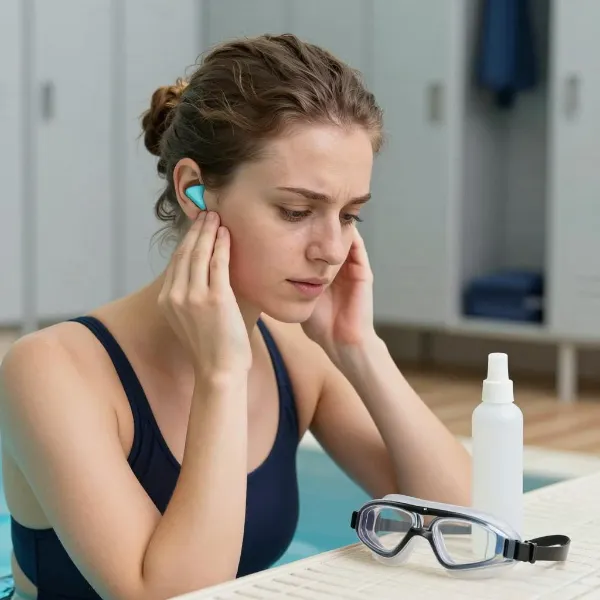
Most ear pain after swimming is mild and resolves on its own, but there are times when you should seek medical help.
If your ear pain doesn’t go away after a couple of days, or if it’s getting worse, it’s time to see a doctor. Other warning signs include fever, yellow or green drainage from the ear, or significant hearing loss. If you experience these, it could be an infection that requires antibiotics or other treatment.
If you have swimmer’s ear or an ear infection, your doctor may prescribe antibiotic or antifungal ear drops. In some cases, oral antibiotics may be needed. Your doctor might also clean out the ear canal to remove any infection or debris. If the infection is severe, further treatment may be necessary.
If you’re dealing with swimmer’s ear, there are a few at-home remedies you can try to ease the symptoms.
Drying drops can be an effective way to remove moisture from your ear and prevent infections. These drops contain alcohol, which helps evaporate the water and clear out bacteria. They’re easy to use and can be found at most drugstores.
A simple remedy for swimmer’s ear is a mix of white vinegar and rubbing alcohol. This solution helps balance the pH of your ear canal while drying out excess moisture. Just mix equal parts of both and apply a few drops into your ear. Let it sit for a few minutes before tilting your head to drain it out.
While treating ear pain, avoid inserting anything into the ear canal, such as cotton swabs or other objects. This can cause more irritation and possibly worsen the condition. Stick to gentle treatments and be patient as your ear heals.
If you have an ear infection, swimming may not be the best idea, but if you must, there are ways to do it safely.
It’s generally not recommended to swim with an ear infection. Water can worsen the infection and introduce more bacteria into the ear. If swimming is necessary, wear waterproof earplugs and avoid submerging your head underwater. Always check with your doctor before swimming with an ear infection.
If you do swim while dealing with ear pain, take extra precautions. Use earplugs and a swim cap, and avoid swimming in deep water or diving. After swimming, be sure to dry your ears thoroughly and watch for any changes in symptoms.
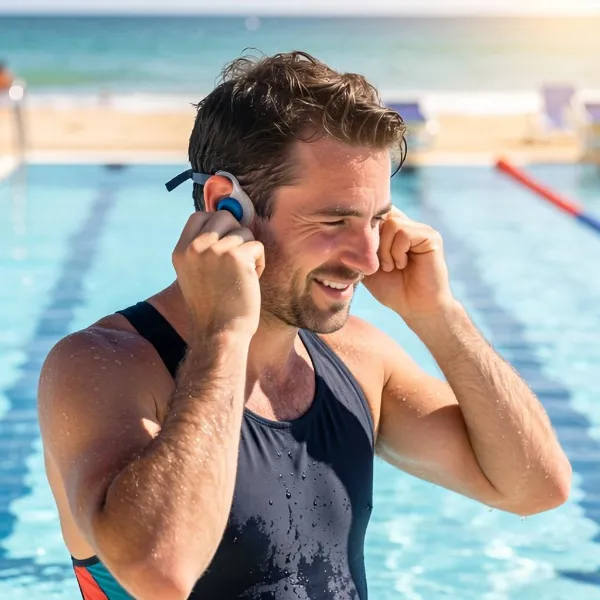
Ear pain after swimming is common but preventable with simple steps like wearing earplugs, drying your ears thoroughly, and avoiding polluted water. If discomfort occurs, over-the-counter drops or pain relievers may help, but persistent symptoms require medical attention. Taking these precautions helps keep your ears healthy and ensures a comfortable swimming experience.
To relieve ear pain after swimming, dry your ear with a towel or a hair dryer, use over-the-counter pain relievers, and try warm compresses. If the pain lasts, see a doctor.
Ear pain after swimming is usually caused by trapped water or swimmer’s ear. You can treat it by drying your ears, using pain relievers, and applying warm compresses. If symptoms persist, visit a healthcare professional.
It’s not safe to swim with an ear infection. Water can worsen the infection and make it harder to heal. Always consult a doctor before swimming with an ear infection.
To get water out of your ear, tilt your head to one side, pull your ear gently, and let gravity help. You can also use a hair dryer on a low setting to dry the ear.
Popular Post