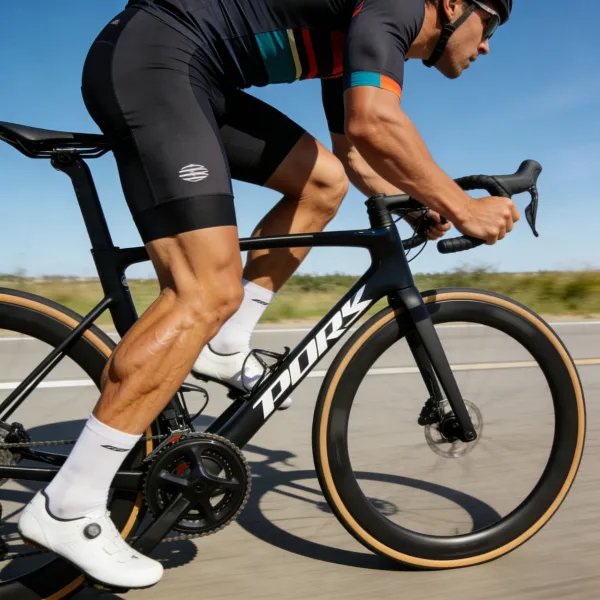
If you’re looking to lose belly fat, you might be wondering: does cycling burn belly fat? Cycling is not only fun but also a great way to shed those extra pounds around your midsection. It’s a low-impact, cardiovascular exercise that burns calories, boosts metabolism, and helps target fat loss, especially in the belly area. In this guide, we’ll explore how cycling works to burn belly fat, the best cycling workouts, and tips to help you get the most out of your rides.

Belly fat comes in two main types: subcutaneous fat and visceral fat. Subcutaneous fat is the softer, more visible fat directly under the skin, while visceral fat wraps around your internal organs. While subcutaneous fat is mostly a cosmetic concern, visceral fat is much more dangerous. It’s strongly linked to serious health issues like heart disease, type 2 diabetes, and metabolic syndrome. Reducing visceral fat is not just about looks; it’s crucial for your overall health.
Cycling is an effective way to target both types of belly fat. As a cardiovascular exercise, cycling helps you burn calories and enhance fat oxidation, especially when you push yourself to the right intensity. When cycling at moderate to vigorous intensity, your body engages large muscle groups, which revs up your metabolism and forces your body to burn fat for fuel.
With regular cycling, you’ll see a reduction in overall body fat, including the stubborn belly fat. The best part? Your metabolism stays elevated even after your ride, meaning you continue to burn calories at rest. This makes cycling a sustainable and efficient method for losing belly fat over time.
Yes, cycling does burn belly fat. It’s a calorie-burning workout that can help you lose fat, especially around the abdomen. When paired with a healthy diet and consistent exercise routine, cycling is a powerful tool for fat loss. It engages the entire body, burns calories, and helps you maintain a calorie deficit, which is key for reducing belly fat. Plus, it tones your core muscles, leading to a more defined midsection over time.
Cycling is a great option for anyone looking to lose belly fat without putting too much strain on their joints. It’s low-impact, which makes it easier to stick with in the long run. Whether you’re cycling outdoors or on a stationary bike, this workout can help you burn fat, improve cardiovascular health, and strengthen your core.

Cycling burns belly fat through several key processes in the body. Here’s how it works:
Cycling is an excellent calorie-burning exercise. It boosts your heart rate, increases energy expenditure, and activates large muscle groups like your legs and glutes. The more calories you burn, the easier it is to create a calorie deficit—this is essential for fat loss. To burn belly fat effectively, cycling at a moderate or intense pace for longer periods will help you expend more energy and lose fat.
Visceral fat, which surrounds your internal organs, is the most harmful type of belly fat. Cycling can help reduce this dangerous fat. As you ride, your body burns fat for fuel, including the fat around your abdomen. Over time, regular cycling can shrink your visceral fat deposits, improving your health and lowering your risk for chronic conditions like heart disease and diabetes.
While cycling is not a traditional abdominal workout, it still helps engage and strengthen your core muscles. As you pedal, your core stabilizes your body, toning your abdominal muscles and helping to improve posture. The consistent lower-body engagement also tones your legs, glutes, and hips, contributing to an overall leaner physique. As you lose fat, these toned muscles will become more visible, resulting in a more sculpted midsection.
Cycling isn’t just about burning fat; it also provides a range of health benefits. Regular cycling improves insulin sensitivity, helping to regulate blood sugar levels and reduce the risk of type 2 diabetes. It also helps lower bad cholesterol (LDL) and improves blood circulation, reducing your blood pressure. These metabolic benefits make cycling a great choice for long-term health and weight management, including belly fat reduction. For more info, check out our articles on “does cycling help you lose weight”.
To maximize fat loss and target belly fat specifically, it’s important to vary your cycling workouts. Here are the best cycling workouts for burning belly fat:
Steady-state or endurance rides involve cycling at a moderate pace for longer periods. This type of workout is great for burning fat, especially at lower intensities, as your body uses fat as its main source of fuel. Aim for 60- to 90-minute rides, three to four times a week, at a consistent, moderate intensity. Steady-state rides can be done outdoors or on a stationary bike and are perfect for those looking to burn fat over time without pushing too hard.
HIIT is a powerful way to burn belly fat fast. This workout involves alternating between short bursts of maximum effort and brief rest periods. HIIT increases your metabolism and results in the “afterburn” effect, also known as Excess Post-Exercise Oxygen Consumption (EPOC), meaning you continue to burn calories even after your ride is over. A simple HIIT cycling workout includes a 10-minute warm-up, followed by 8-10 rounds of 30-second sprints at 90% of your max effort with 60 seconds of easy pedaling in between. Finish with a 10-minute cool-down.
Fasted cycling refers to cycling on an empty stomach, usually in the morning before breakfast. Cycling in a fasted state may increase fat oxidation and help burn visceral fat more effectively. However, there are some risks, like energy depletion during long or intense sessions and potential muscle loss. If you want to try fasted cycling, stick to moderate-intensity rides lasting 45-60 minutes and stay well-hydrated.
Even though cycling is an excellent fat-burning exercise, there are some common mistakes that can hinder your progress. Here’s how to avoid them:
Cycling at too easy a pace may not burn enough calories to make a significant impact on belly fat. To see real fat loss, you need to challenge yourself with moderate or high-intensity rides. Switch up the intensity and mix in some HIIT for the best results.
One of the most common mistakes cyclists make is overeating after a ride, thinking they’ve earned extra calories. This can completely undo the hard work you put into your workout. Be mindful of what and how much you eat, and focus on nutrient-dense meals that support your fat loss goals.
While long rides are great for endurance and fat burning, incorporating HIIT workouts into your routine can help burn belly fat faster. Both steady-state and HIIT have their benefits, so don’t rely solely on one. Try alternating between the two for a balanced and effective fat-burning routine.
Inconsistency is a major obstacle to fat loss. To see results, aim to cycle regularly—at least 3-5 times a week. Staying consistent will keep your metabolism elevated, helping you burn fat more efficiently.

Does cycling burn belly fat? Absolutely. With the right cycling strategy, you can effectively target belly fat and achieve lasting fat loss. Regular cycling, combined with a healthy diet and a mix of steady-state and HIIT workouts, is a proven approach to losing belly fat. Remember, consistency is key. Stick with it, and you’ll start seeing results both in the mirror and in your overall health.
Cycling typically burns more calories than walking, meaning it can help you burn belly fat faster. However, both activities are great for overall health, and the best choice depends on your preferences and fitness level.
While 30 minutes of cycling a day is a good start, longer or more intense sessions will yield faster results. For optimal belly fat loss, aim for 45-60 minutes per session, and mix in some high-intensity intervals.
To effectively lose belly fat, cycle at least 3-5 times a week, incorporating both steady-state rides and HIIT will help you burn fat and target your belly.