Swimming while wearing contact lenses seems like a simple solution for those who need clear vision, but it can pose serious risks. Whether you're in a pool, lake, or the ocean, the water can introduce harmful bacteria to your eyes. In this article, we'll cover the dangers of swimming with contacts, safer alternatives, and tips to protect your eyes while enjoying the water.
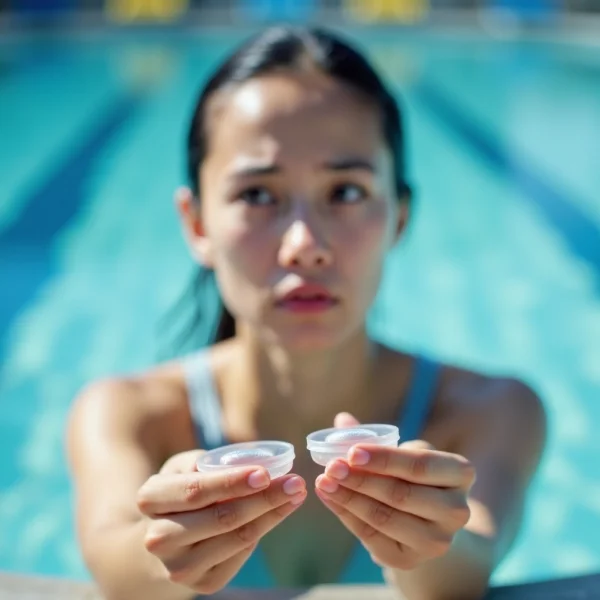
While swimming with contact lenses may seem convenient, it brings several health risks. It’s important to understand the dangers involved to protect your eyes from infections and irritation.
The primary concern when swimming with contacts is the risk of eye infections. Water from pools, lakes, and oceans can carry harmful microorganisms. When these bacteria get trapped under your lenses, they can cause irritation, infection, and even serious conditions like corneal ulcers. These infections often require medical attention, and in severe cases, they can lead to vision loss.
Swimming with contacts can also make your lenses more prone to damage. Water may distort them, leading to discomfort and potential complications. Plus, the risk of eye irritation from chlorine, saltwater, or even dirty water increases when your lenses are exposed.
Swimming exposes your eyes to various harmful pathogens. One of the most dangerous is Acanthamoeba, a type of amoeba found in untreated water such as lakes and oceans. This microorganism can lead to a painful and serious infection known as Acanthamoeba keratitis, which can cause permanent vision loss if left untreated.
In addition to Acanthamoeba, bacteria like Pseudomonas aeruginosa and Staphylococcus aureus can also thrive in swimming pools and untreated water. These pathogens can be trapped under contact lenses, leading to infections like conjunctivitis (pink eye) or keratitis. Even chlorinated pools, though safer than natural bodies of water, can harbor these bacteria.
Another risk is losing your contact lenses in the water. Swimming, especially in turbulent water like oceans, can cause your lenses to dislodge, leaving you with blurry vision. This can be frustrating and costly, as retrieving lost lenses is often impossible. Even if your lenses don’t get lost, the movement of water can cause them to shift or become displaced, leading to discomfort or poor vision.
If you're serious about protecting your eyes while swimming, there are alternatives to wearing contact lenses that can help you avoid the risks.
Prescription swimming goggles are an excellent alternative to wearing contacts in the water. These goggles are designed to provide clear underwater vision without the need for contact lenses. They offer the advantage of protecting your eyes from harmful microorganisms and eliminating the risk of losing your lenses in the water.
Prescription goggles come in various styles and prescriptions, so you can find a pair that fits comfortably and suits your swimming needs. They are a great option for people who want to enjoy swimming without the hassle and risks of contact lenses. Plus, they provide a secure fit, preventing water from getting into your eyes and minimizing the risk of irritation.
If you prefer wearing contacts while swimming, daily disposable lenses are a safer option compared to regular lenses. Since these lenses are meant to be discarded after each use, they’re less likely to harbor bacteria or other pathogens that could lead to eye infections.
However, it’s important to remember that daily disposables are not a foolproof solution. They can still get contaminated if exposed to unclean water. For extra protection, consider wearing waterproof goggles to keep water away from your eyes and prevent bacteria from getting trapped underneath the lenses.
If swimming with contacts is absolutely necessary, follow these safety tips to reduce the risk of complications and protect your eye health.
Investing in high-quality, waterproof goggles is essential when swimming with contact lenses. A tight-fitting pair will help keep water from getting under your lenses, which can significantly reduce the chances of infection. Goggles also help keep chlorine and saltwater out of your eyes, preventing irritation and dryness.
Make sure to choose goggles that fit snugly around your face, and opt for models designed to prevent leaks. A good pair of goggles can keep your lenses secure and protect your eyes from harmful substances in the water.
Even with goggles and precautions, it's important to remove your contact lenses as soon as possible after swimming. Prolonged exposure to water increases the risk of infection, so removing your lenses quickly is key.
Rinse your eyes with sterile saline or artificial tears to remove any residual water or irritants. If you experience any discomfort, redness, or pain, remove the lenses immediately and consult an eye doctor if necessary. It’s better to be cautious and ensure your eyes are healthy.
It’s crucial to recognize the warning signs that could indicate an infection or other complications after swimming with contacts. If you notice any of these symptoms, don’t hesitate to seek medical help.
If you experience pain, redness, or blurry vision after swimming with contact lenses, it could be a sign of infection or irritation. These symptoms should never be ignored, as they may indicate a condition like keratitis or conjunctivitis.
Remove your lenses immediately and avoid wearing them until your eyes heal. Seek professional medical treatment to prevent further complications, including potential vision loss.
If your contact lenses wash out during swimming, it’s important to stay calm. Avoid rubbing your eyes or trying to put the lenses back in, as this could cause further irritation. Instead, exit the water and check for the lenses. If you can’t find them or experience discomfort, consult your eye doctor. An eye exam may be necessary to ensure there’s no lasting damage.
Swimming with contact lenses poses risks, but by understanding the dangers and taking proper precautions, you can enjoy swimming while minimizing harm to your eyes. Alternatives like prescription goggles are ideal for most swimmers, as they eliminate the need for contact lenses while providing clear vision and protecting your eyes from harmful bacteria.
If you do choose to swim with contacts, make sure to follow all safety tips, including wearing waterproof goggles and removing your lenses as soon as you’re done swimming. By staying vigilant and proactive, you can keep your eyes safe while enjoying the water.
For more information on swimming and eye care, check out our guide on how to swim.
Yes, but it’s still risky. Waterproof goggles can help protect your lenses, but they don’t completely eliminate the risk of bacteria exposure. If you swim in unclean water, there’s still a chance that pathogens can get trapped under your lenses, potentially causing an infection.
No, it’s not safe. Swimming pools contain bacteria that can get trapped under your lenses, leading to infections. Even though chlorinated pools are cleaner than natural bodies of water, they still harbor harmful microorganisms that can affect your eyes.
Remove your contacts immediately, rinse your eyes with fresh water, and seek medical advice if you experience any irritation or discomfort. Saltwater can make it easier for bacteria to get trapped under your lenses, so it’s important to act quickly.
No, swimming with contacts in a hot tub is risky. The warm water in hot tubs can harbor bacteria that, when trapped under your lenses, can cause infection. For your eye health, it’s best to avoid wearing contacts in hot tubs.
Popular Post