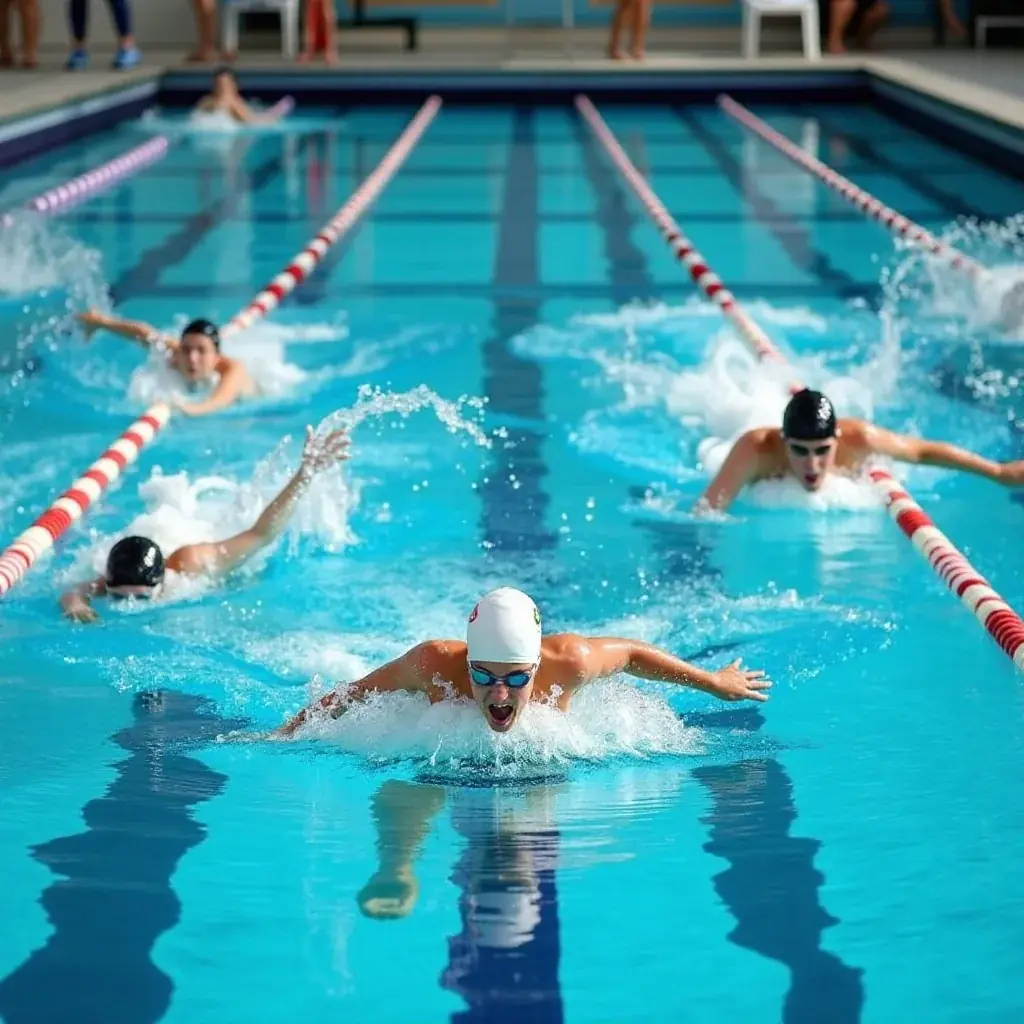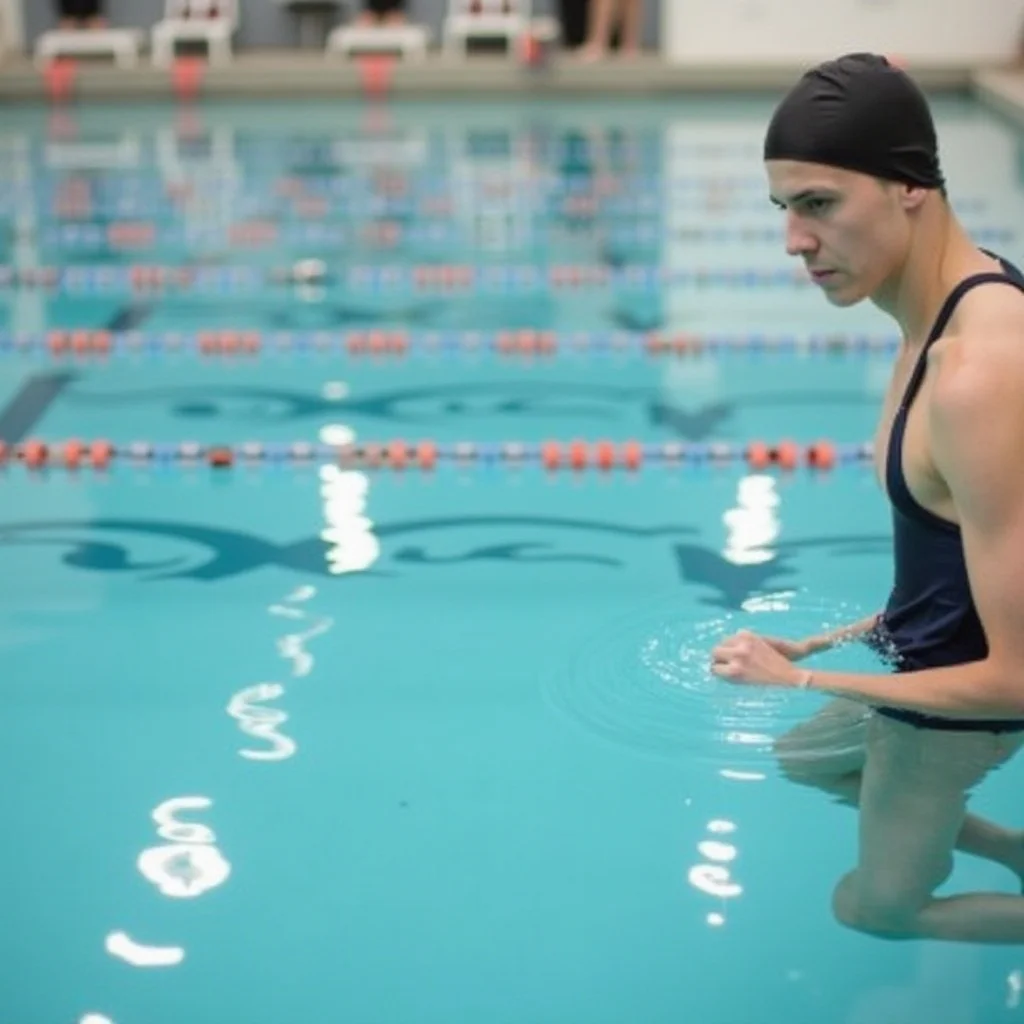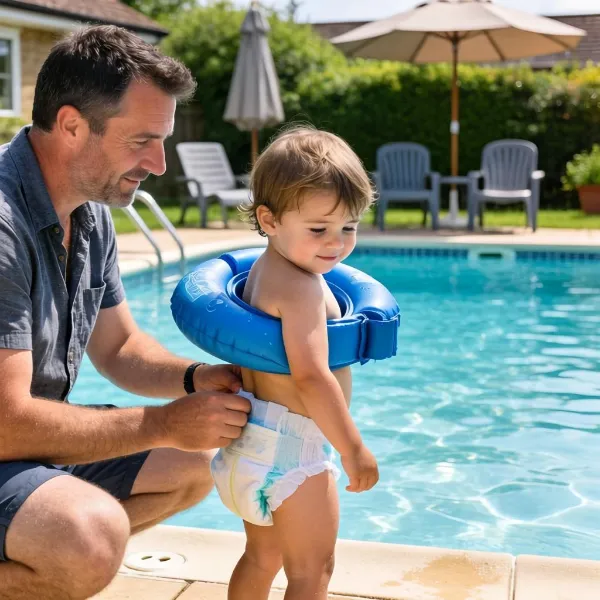
Getting your ears pierced is a fun way to express yourself, but it comes with some responsibility. Can you swim after getting ears pierced? Whether you're planning to hit the pool or dive into the ocean, it's important to know how swimming can affect your new piercing. In this guide, we'll explain when you can swim safely after getting your ears pierced and how to care for your piercing along the way.
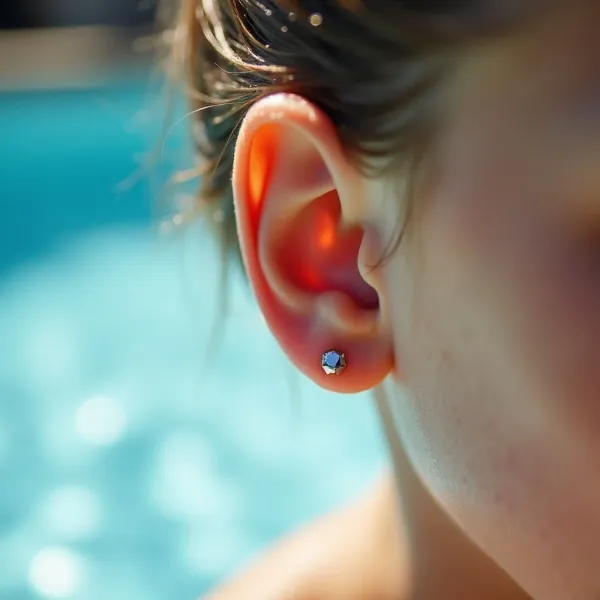
If you’re wondering, "Can you swim with a new piercing?" the short answer is: it’s best to wait. Swimming too soon can lead to serious complications, including infection or irritation. When you get your ears pierced, your body starts healing the tissue around the hole. This healing process forms a protective layer of skin, but swimming in pools or natural bodies of water can introduce bacteria and other harmful substances to that vulnerable area.
Chlorine in swimming pools, saltwater in the ocean, and bacteria in lakes or rivers can all delay the healing process and increase the risk of infection. For this reason, waiting until your piercing has fully healed is key to ensuring a smooth recovery.
The question of "How long after getting ears pierced can you swim?" depends on several factors, such as the type of piercing and your body’s healing process. In general, it’s a good idea to wait at least 4–6 weeks before jumping into a pool or any other body of water.
However, many piercers recommend waiting 6-8 weeks before swimming. The healing time varies from person to person, and some people may need to wait even longer, especially if they experience irritation or complications. Be patient and follow your piercer’s advice for the best results.
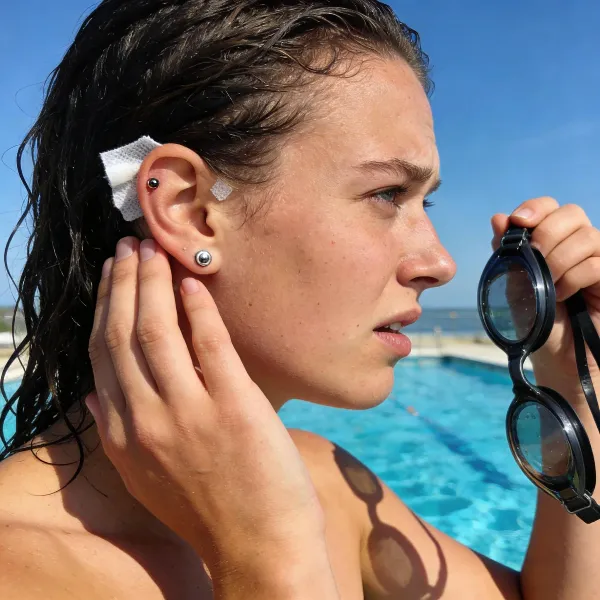
Chlorine is commonly found in swimming pools and is used to disinfect the water. While it helps keep the water clean, it’s not ideal for newly pierced ears. Chlorine can irritate the skin, dry it out, and delay the healing process, especially in the delicate tissue around your piercing.
For this reason, it’s recommended to avoid swimming in chlorine pools until your piercing has fully healed. If you absolutely must swim in a pool, consider using waterproof covers to protect your piercing. This will help minimize the risk of irritation or infection.
Saltwater may seem like a natural way to cleanse the skin, but it can actually be problematic for new piercings. Ocean water contains salt and bacteria that can irritate your piercing or cause an infection if exposed too soon. The healing tissue around your piercing is particularly vulnerable to these external factors.
If you’re hoping to swim in the ocean, wait until your piercing is fully healed, or use waterproof protection to cover the area. Just like with chlorine, seawater can irritate or slow down the healing process, so it’s important to protect your piercing during the first few months.
If you’re really eager to get back into the water, there are a few tips you can follow to protect your piercing while swimming. Here’s how to minimize the risks:
One of the main factors that affect healing time is the type of piercing you have. Lobe piercings tend to heal faster and are less prone to complications compared to cartilage piercings. For instance, a lobe piercing typically takes about 6-8 weeks to heal, while a cartilage piercing can take anywhere from 6 months to a year.
If you’ve had a cartilage piercing, it’s especially important to wait longer before exposing it to water. Cartilage is more prone to complications, and it takes longer to heal compared to the soft tissue in the lobe.
The healing time can vary widely depending on the type of piercing. Here’s a quick breakdown:
Make sure to follow your piercer’s aftercare instructions to avoid complications. Patience is key to a successful healing process.
If you can’t resist swimming before your piercing is fully healed, using waterproof protection is a must. Here are some methods that can help:
When using these protection methods, remember to remove them as soon as possible after swimming and clean your piercing thoroughly.

Cleaning your piercing after swimming is an essential part of aftercare. Here’s how to properly clean your piercing to prevent infections:
Regular cleaning is important, especially after swimming, to keep your piercing free from bacteria and infection.
Can you swim after getting ears pierced? To sum it up, it’s best to avoid swimming right after getting your ears pierced. Swimming too soon can expose your piercing to bacteria, chlorine, or saltwater, which could cause an infection or delay healing. By waiting until your piercing is fully healed and following the aftercare advice from your piercer, you can enjoy swimming without worrying about complications.
It’s generally not safe to swim just one week after getting your ears pierced. Your piercing is still healing, and exposure to water, especially in pools or the ocean, could lead to infection. Wait at least 4-6 weeks before swimming, and make sure the piercing has fully healed. If you're looking to stay active in the water during your healing time, check out this beginner swim workout to keep up your fitness routine while waiting for your piercing to heal.
If you accidentally swim with a new piercing, clean it immediately with a saline solution and keep an eye out for any signs of infection, such as redness, swelling, or pain. If you notice any issues, contact your piercer or a healthcare professional for advice.
Yes, chlorine can irritate newly pierced ears. It’s important to avoid swimming in chlorine pools until the piercing has fully healed. If you need to swim in a pool, use waterproof protection to shield your piercing from the chlorine.
Popular Post