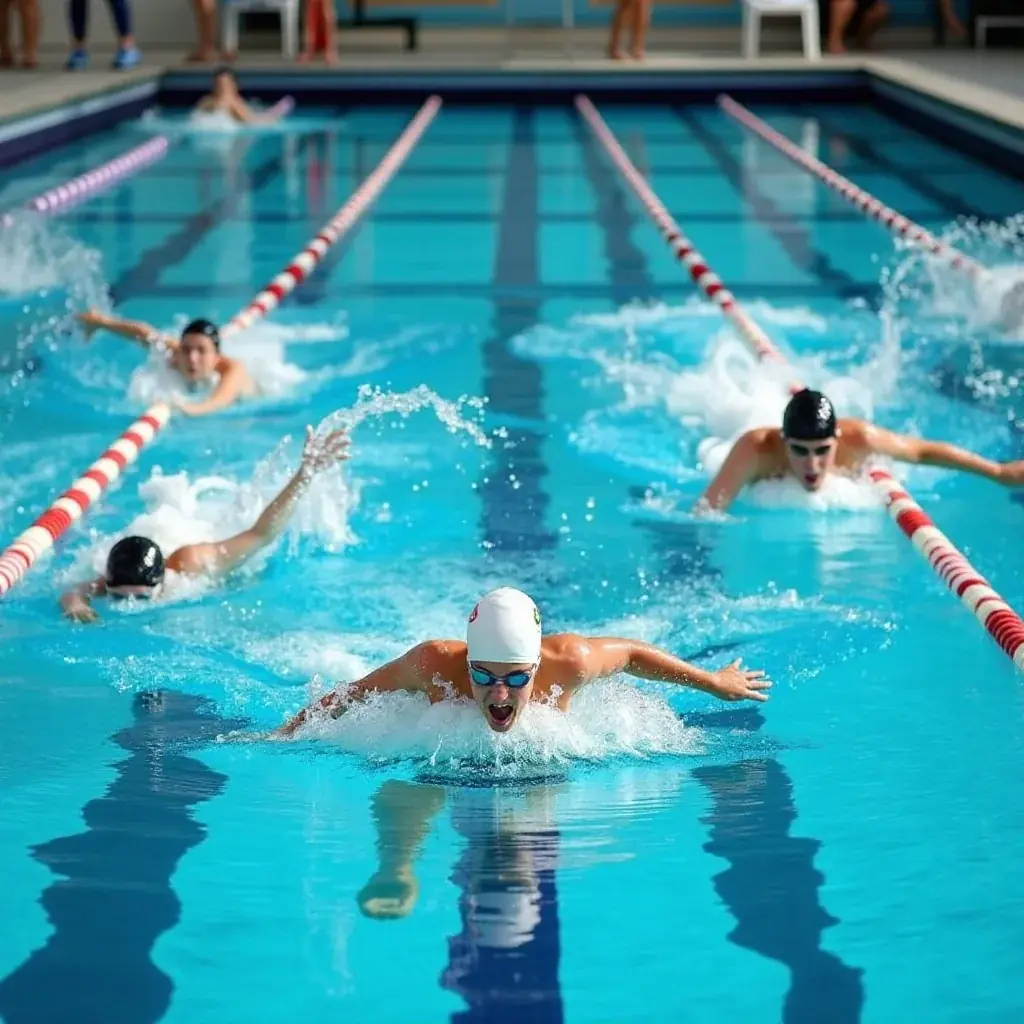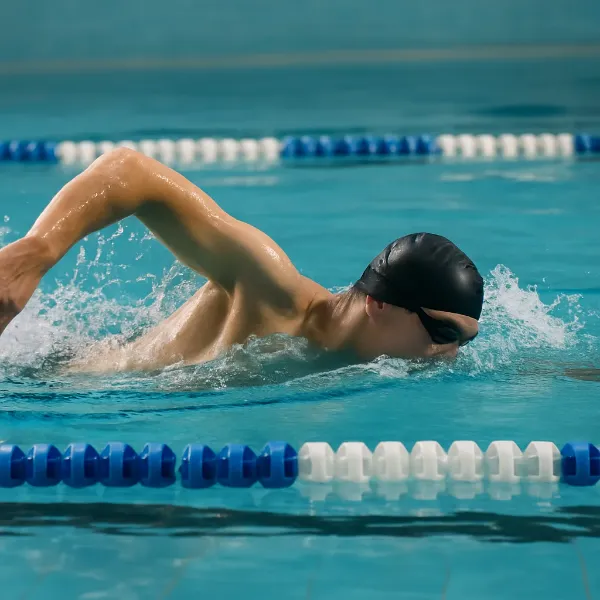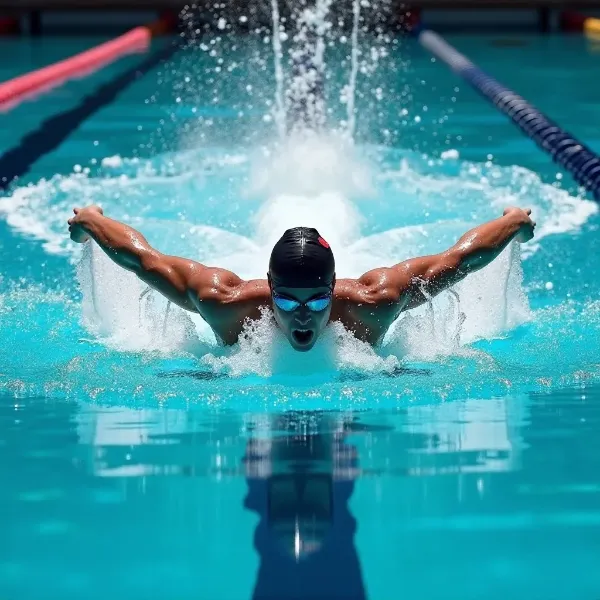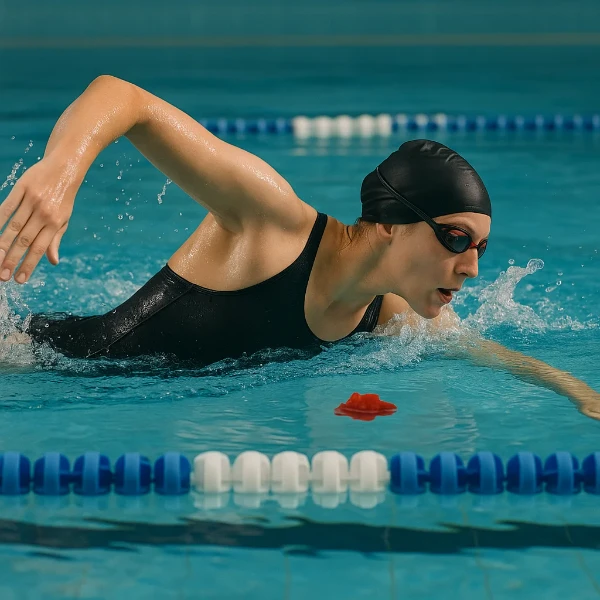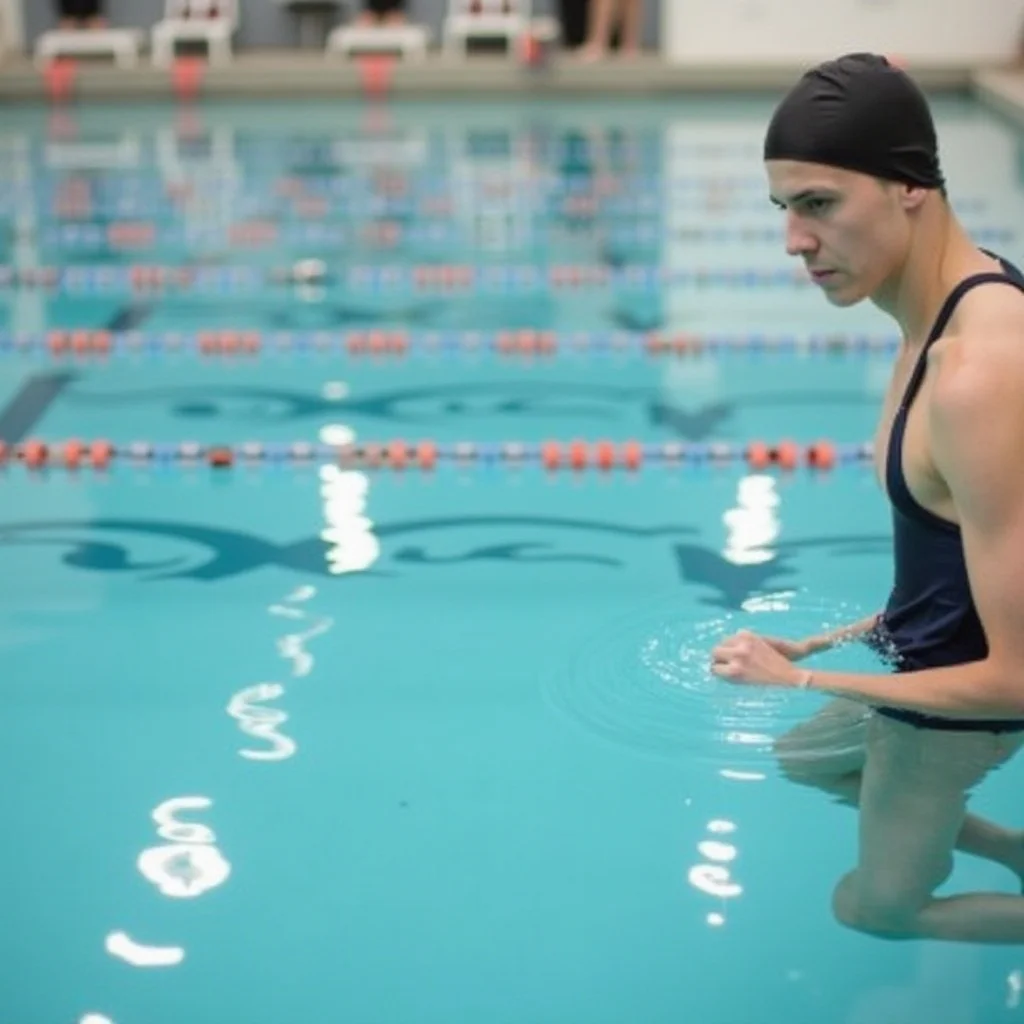
Artistic swimming, once known as synchronized swimming, is an exciting sport that combines swimming, gymnastics, and dance. Athletes perform intricate, synchronized routines set to music, showcasing both athleticism and artistry. It’s a sport that demands strength, flexibility, and precision, making it both challenging and rewarding. Whether you’re interested in learning the basics or you want to understand its Olympic history, this guide covers everything you need to know about artistic swimming.
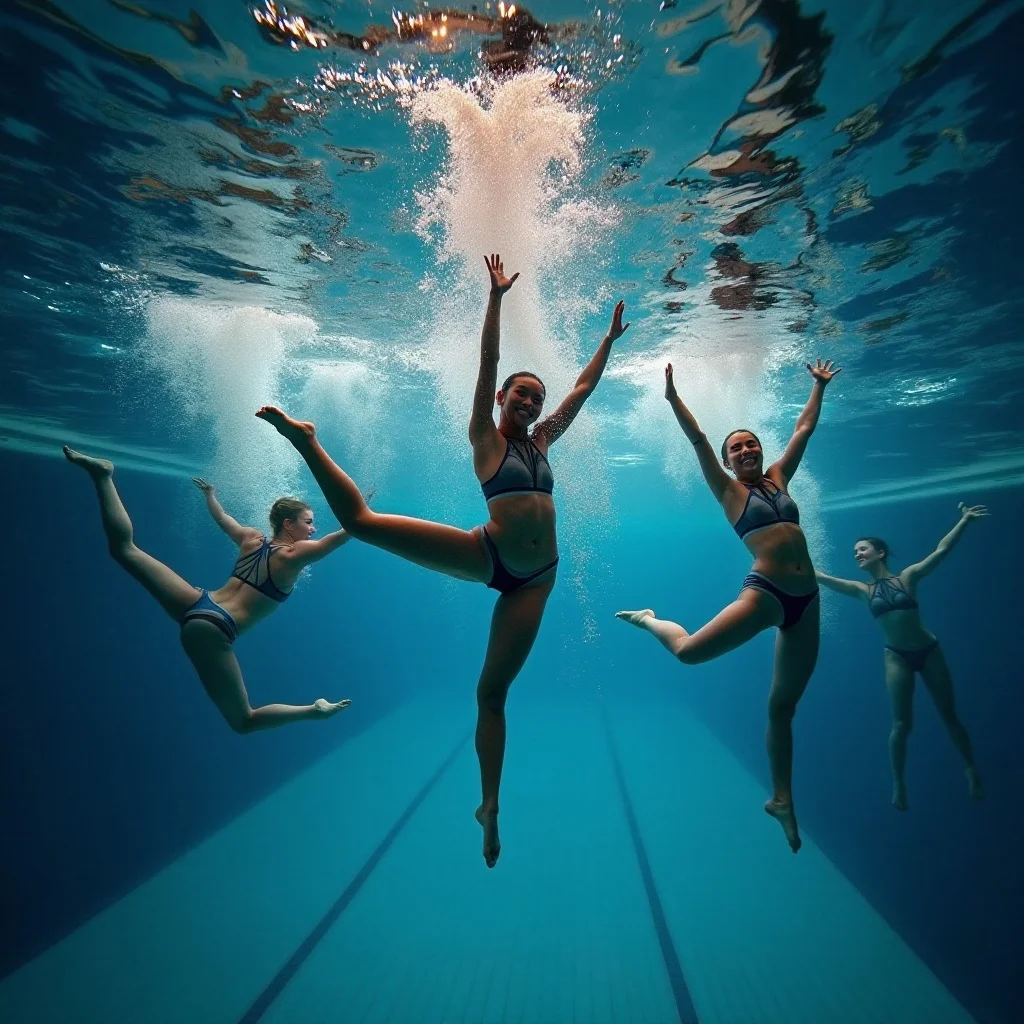
Artistic swimming is a unique sport that blends swimming, gymnastics, and dance. Athletes perform carefully choreographed routines in the water, synchronized to music. These performances can be done solo, in duets, or as a team. Success in artistic swimming requires strength, stamina, flexibility, and breath control, as swimmers often perform complicated movements underwater without coming up for air.
While artistic swimming may seem like just a beautiful performance, it’s actually an incredibly demanding sport. Swimmers are judged on their technical skill, synchronization, and artistic expression, making it a thrilling combination of athleticism and performance art.
Artistic swimming stands out because it’s not just about physical strength—it’s also about artistic expression. While athletes need to master a wide range of swimming skills, they also need to perform synchronized movements in harmony with their teammates. This creates a mesmerizing visual experience for the audience, where the swimmers’ bodies seem to move as one.
It’s a true test of coordination and mental focus. The sport requires athletes to stay in perfect sync, while also performing complex movements like lifts, spirals, and flips, all while keeping up with the music. It’s an art form in the water, blending athleticism with creativity.
Artistic swimming offers several different disciplines, ranging from solo performances to large team routines. Here’s an overview of the main events:
Each type of event challenges the swimmers in different ways, but all demand precision, strength, and grace.
Artistic swimming is one of the most physically demanding sports. Athletes need to master various skills, including strength, flexibility, and breath control, but that’s just the beginning. Here are a few reasons why this sport is both challenging and rewarding:
While these challenges are tough, they are also what make the sport so rewarding. Athletes get to showcase their hard work in stunning performances, often with the added excitement of competing at the highest level, like the Olympics.
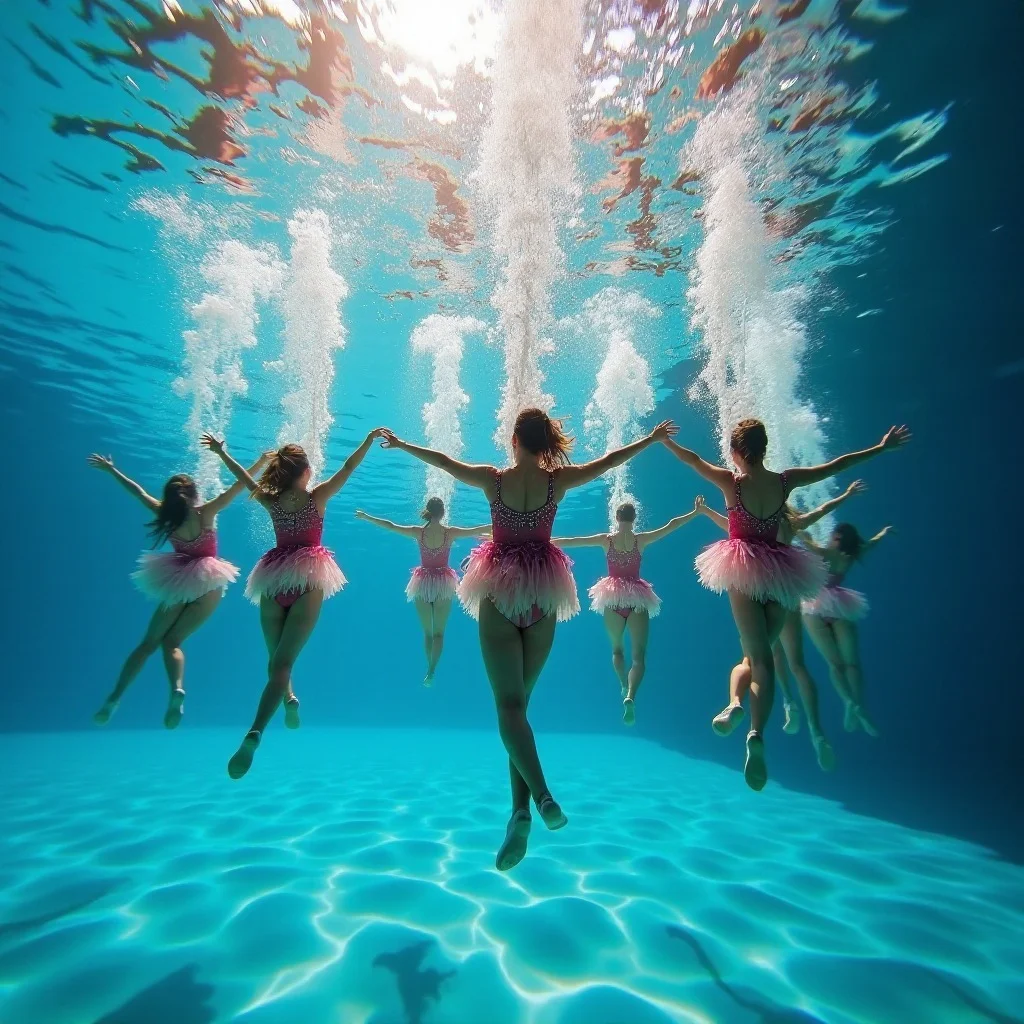
For many years, this sport was known as synchronized swimming. However, in 2017, the name was officially changed to artistic swimming to better capture the combination of athleticism and artistry.
The change wasn’t just about the name—it was about how we think about the sport. While synchronized swimming focused on the technical aspect of the sport, artistic swimming also emphasizes the creative, performance side. Athletes are still required to perform perfectly synchronized routines, but now there’s a bigger focus on how they express themselves through their movements.
Though the terminology has changed, the essence of the sport remains the same. It’s still about mastering difficult movements in the water, but it’s also about creating beautiful performances that captivate the audience.
Artistic swimming has come a long way in the Olympic Games. Here’s a look at its journey through the years:
The United States and Canada were the early leaders in the sport, but in recent years, Russia (and the Russian Olympic Committee in 2020) has dominated, winning almost every gold medal in both the duet and team events. The sport is now poised for a new chapter with men competing in the Paris 2024 Olympics.
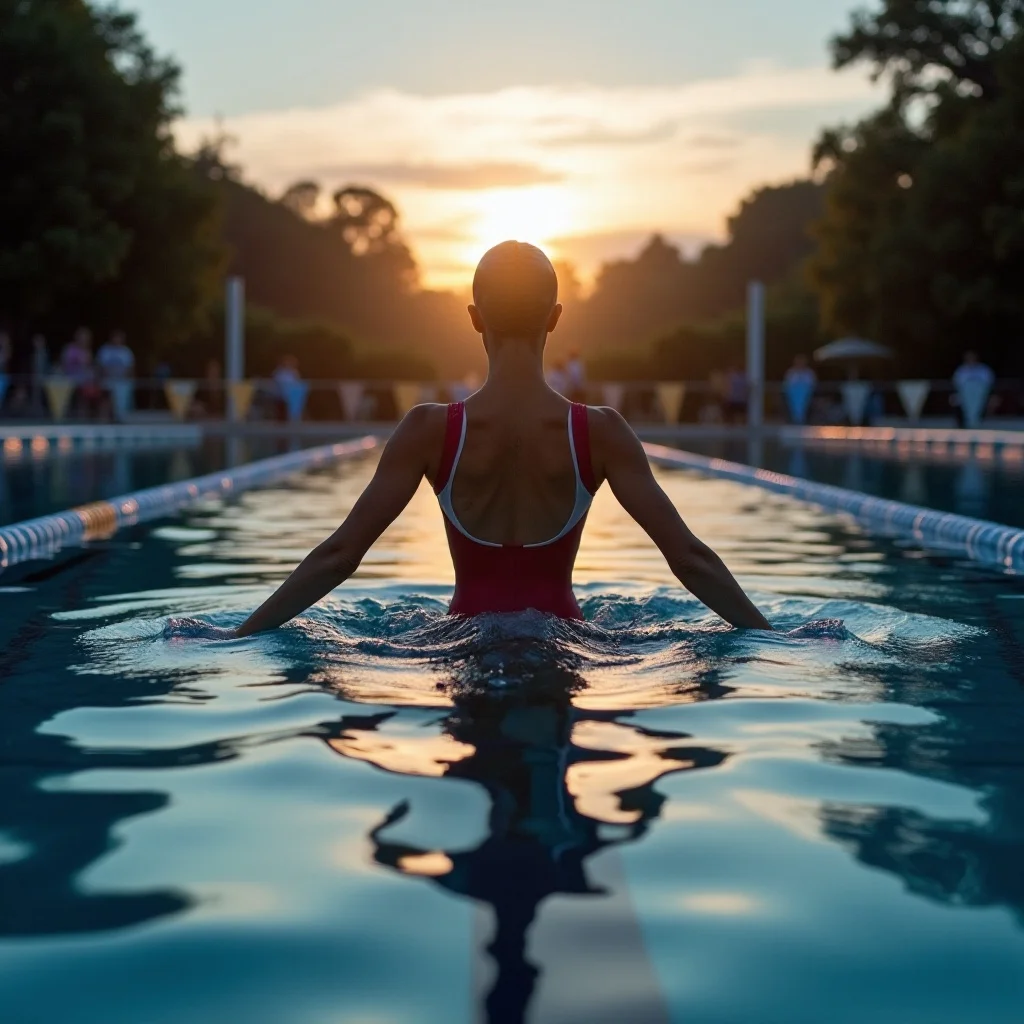
Artistic swimming is a unique and exciting sport that blends athletic skill with artistic performance. It’s a challenging discipline that requires swimmers to have strength, flexibility, and precision, all while telling a story through their movements. Whether you’re a swimmer looking to try something new or someone who’s interested in the history of the sport, artistic swimming offers a world of excitement, artistry, and athletic achievement.
If you’re interested in learning how to swim or want to improve your swimming techniques, check out our guides on how to swim and beginner swim workouts.
To succeed in artistic swimming, athletes need a mix of swimming skills, flexibility, endurance, breath control, and teamwork. Swimmers must also have the ability to perform complex routines with grace and precision.
It can be challenging to learn artistic swimming because it requires mastering a wide range of skills, from swimming techniques to synchronized movements. However, with regular practice, anyone can improve and enjoy the sport.
Yes, men can now compete in artistic swimming. The Paris 2024 Olympics will feature men in the team event, marking an important step for the sport’s inclusivity.
No, synchronized swimmers don’t touch the bottom of the pool during their routines. They rely on their strength, stamina, and breath control to stay afloat and execute their movements.
Popular Post